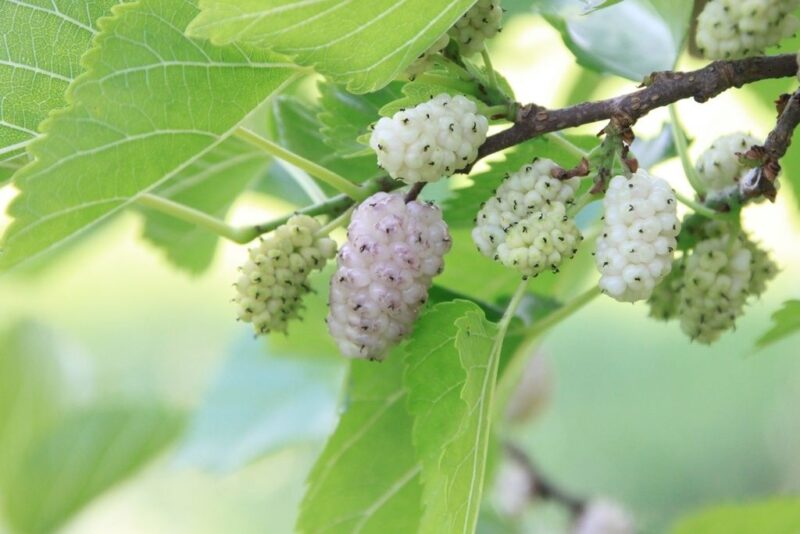
Mulberry leaves, often overlooked in favor of the fruit, hide remarkable therapeutic potential, especially for individuals facing high blood sugar levels. These leaves have been used in traditional Asian medicine for centuries, and recent research confirms their efficacy. Tea made from mulberry leaves proves to be a promising natural alternative for regulating blood sugar levels, as well as supporting metabolism and liver function.
Recipe for Mulberry Leaf Tea
Ingredients:
- 1 tablespoon dried mulberry leaves (white Morus alba)
- 250 ml boiling water
Preparation Method:
- Boil the water, then turn off the heat.
- Add the dried mulberry leaves.
- Cover the pot and let it steep for 10-15 minutes.
- Strain and consume while warm.
It is recommended to drink 2 cups of tea per day, 30 minutes before meals. For better effects, it can be consumed in courses of 3-4 weeks, followed by breaks.
Benefits of Mulberry Leaf Tea for Blood Sugar
1. Reduction of Glucose Absorption in the Intestines
Mulberry leaves contain a compound called 1-deoxynojirimycin (DNJ), which inhibits enzymes involved in carbohydrate breakdown. Thus, glucose is absorbed more slowly into the bloodstream, preventing sharp increases in blood sugar after meals.
Research shows that DNJ acts similarly to alpha-glucosidase inhibitor medications. By reducing glucose absorption, mulberry tea can prevent postprandial spikes in blood sugar.
2. Stimulation of Insulin Sensitivity
Mulberry leaves contribute to increased sensitivity of cells to insulin, especially in the early stages of type 2 diabetes. This effect is supported by the flavonoids in the plant, which help regulate the cellular response to insulin.
Experimental studies show a significant decrease in blood sugar levels and an improvement in the HOMA-IR index (a marker of insulin resistance) after administering mulberry extracts to patients with prediabetes or controlled diabetes.
3. Antioxidant Effect on the Pancreas
Mulberry leaf tea has a high content of antioxidants, such as quercetin and chlorogenic acid, which can protect pancreatic beta cells from oxidative stress. This is essential for maintaining the natural insulin secretion function.
In a study conducted on diabetic animals, mulberry extract reduced levels of malondialdehyde (a marker of oxidative stress) and increased the activity of endogenous antioxidant enzymes (SOD, catalase).
4. Reduction of Inflammation Associated with Diabetes
Mulberry leaves have significant anti-inflammatory effects, reducing levels of pro-inflammatory cytokines such as IL-6 and TNF-alpha. Chronic inflammation is often associated with diabetes complications, including neuropathy and kidney damage.
A study published in the Journal of Medicinal Food showed that patients who consumed capsules with mulberry extract experienced significant reductions in inflammatory markers after 8 weeks.
5. Lowering Triglycerides and Cholesterol
In addition to blood sugar control, mulberry leaf tea may have positive effects on lipid profiles. Studies indicate a reduction in triglyceride levels and LDL cholesterol, which is essential for individuals with diabetes who are at increased cardiovascular risk.
Due to its content of phytosterols and flavonoids, mulberry leaves help maintain vascular health and prevent atherosclerosis.
Contraindications and Precautions
Mulberry leaf tea is generally well tolerated, but it should be consumed with caution in the following situations:
- Individuals with hypoglycemia – the blood sugar-lowering effect may be too strong.
- Pregnant and breastfeeding women – there is insufficient data regarding safety.
- Individuals on insulin or oral antidiabetic medications – interactions may occur; consulting a doctor is recommended.
- Individuals with severe kidney conditions – due to the oxalate content, caution is advised.
It is not recommended to consume concurrently with anticoagulant medications, as certain components in mulberry may have a mild blood-thinning effect.




