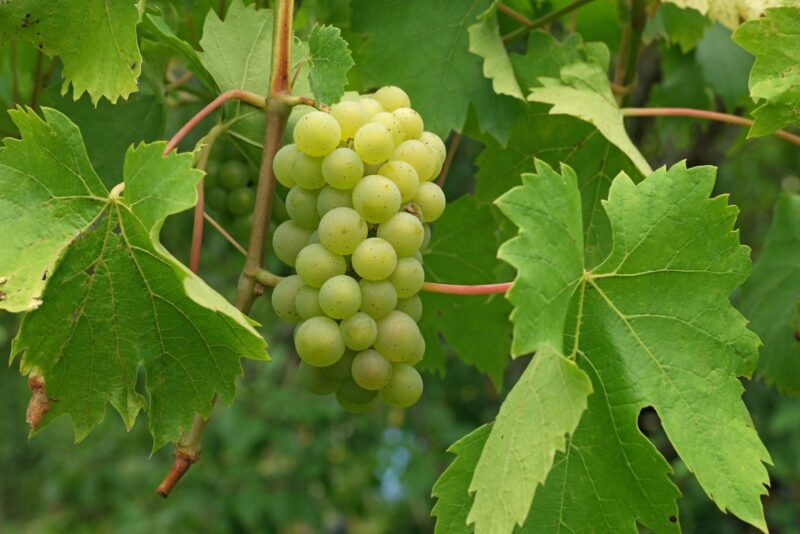
Grape leaf (Vitis vinifera) is often an overlooked plant treasure, despite its valuable chemical composition and impressive medicinal properties. While grape berries and wine are famous for their antioxidant effects, the leaf remains a health resource that is underutilized. In natural medicine, grape leaves, especially the young ones, have been used to treat inflammation, varicose veins, hemorrhoids, and circulatory disorders. They contain flavonoids, tannins, phenolic acids, and trace elements with tonic and vasoprotective effects.
Nutritional Table of Grape Leaves (100 g raw)
| Component | Estimated Value |
|---|---|
| Energy | 93 kcal |
| Water | 75-80 g |
| Proteins | 5.6 g |
| Total fats | 2.1 g |
| Saturated fats | 0.3 g |
| Carbohydrates | 13.9 g |
| Sugars | 0.6 g |
| Dietary fiber | 11 g |
| Calcium | 260 mg |
| Iron | 2.7 mg |
| Magnesium | 70 mg |
| Potassium | 520 mg |
| Sodium | 83 mg |
| Phosphorus | 85 mg |
| Vitamin A (RAE) | 210 µg |
| Vitamin C | 12 mg |
| Vitamin K | 112 µg |
| Flavonoids (quercetin, etc.) | present in variable amounts |
| Resveratrol | present in small amounts |
| Tannins | high content in dried leaves |
Observations:
-
Grape leaf is rich in dietary fiber, beneficial for digestion and blood sugar regulation.
-
The intake of calcium, potassium, and magnesium makes it recommended for supporting bone and cardiovascular health.
-
It contains flavonoids with antioxidant action, including quercetin and resveratrol, which can vary depending on sun exposure and the type of leaf (green or red).
-
It is a natural source of vitamin K, essential for blood clotting and bone health.
Benefits of Grape Leaf
1. Improvement of venous circulation and reduction of varicose veins
Grape leaves are rich in flavonoids, especially quercetin and resveratrol, which act directly on blood vessels. These substances help to tone the venous wall, reduce inflammation, and combat blood stagnation in the lower limbs. Used as an infusion or poultice, grape leaf can alleviate symptoms associated with venous insufficiency, such as the feeling of heavy legs or edema. Flavonoids also act as antioxidants, protecting vascular walls from damage caused by free radicals. Studies show that the use of extracts from red grape leaves can reduce calf volume and discomfort associated with varicose veins.
2. Anti-inflammatory effect and soothing for mucous membranes
Grape leaf has an astringent action due to its tannin content, being useful in inflammation of the gastrointestinal mucosa or oral cavity. It can be used as a gargle in cases of conditions such as gingivitis or oral ulcers. Internally, the infusion can help soothe gastric pain caused by mild inflammation of the stomach lining. Tannins reduce excessive secretion, combat irritation, and can contribute to reducing mild diarrhea. Grape leaf has a gentle but effective effect in chronic low-intensity inflammation.
3. Powerful antioxidant and cellular protector
The leaves contain remarkable amounts of resveratrol, a polyphenol recognized for its protective effects on cells. Resveratrol fights oxidative stress, slowing down cellular aging processes. It also plays a role in preventing cellular degeneration, being investigated in the context of chronic diseases such as cancer or neurodegenerative diseases. By neutralizing free radicals, grape leaf contributes to maintaining the health of the liver, skin, and nervous system. The antioxidant effect is supported by the content of vitamin C and phenolic compounds.
4. Reduction of water retention and mild diuretic effect
The infusion of grape leaves has a mild diuretic action, supporting the elimination of excess fluids from the body. This effect is beneficial for individuals suffering from mild edema, hypertension, or early kidney conditions. By stimulating diuresis, grape leaf contributes to the natural detoxification of the body while also supporting kidney function. The diuretic effect is moderate and does not cause significant loss of electrolytes, making it a safe option in gentle detoxification regimens. It can be combined with other plants with similar effects, such as horsetail or dandelion.
5. Improvement of skin appearance and reduction of skin inflammation
External applications with grape leaves can help soothe irritated or inflamed skin. The active substances, especially flavonoids and tannins, contribute to reducing redness, itching, and local inflammation. Cold compresses with infusion can be applied to irritated skin or areas affected by eczema. Additionally, grape leaf can be included in creams for soothing the skin or toning tired legs. Its anti-inflammatory and antioxidant action is a support in the natural treatment of minor dermatological conditions.
Studies and Research
- A study published in Phytomedicine (2010) demonstrated that extract from red grape leaves significantly improves peripheral circulation, reducing the feeling of heaviness in the legs and calf volume after 6 weeks of use.
- Research published in Journal of Agricultural and Food Chemistry (2016) analyzed the composition of grape leaves and confirmed the presence of a high level of resveratrol and quercetin, with significant antioxidant effects.
- A study published in International Journal of Molecular Sciences (2015) highlighted the hepatic protective and anti-inflammatory effect of grape leaf extract, supporting their use in natural detoxification supplements.
Infusion Recipe from Grape Leaves
Ingredients:
- 1 tablespoon of dried and crushed grape leaves
- 250 ml boiling water
Preparation method:
- Pour hot water over the dried leaves.
- Cover the pot and let it steep for 10-15 minutes.
- Strain and consume warm, preferably in the morning or between meals.
You can consume 2 cups a day for 2-3 weeks, with a 7-day break between courses.
Contraindications and Precautions
- Not recommended for pregnant women or those who are breastfeeding without medical advice.
- Individuals allergic to grapevines or plants in the same family (Vitaceae) should avoid use.
- In case of anticoagulant treatments, consult a doctor before use as resveratrol may interfere with coagulation.
- May cause mild digestive disturbances (bloating, nausea) at high doses or in combination with other astringent plants.
- Long-term consumption without breaks is not recommended.
Sources Used:
- Phytomedicine article: Red vine leaf extract improves chronic venous insufficiency symptoms in clinical trial
- Journal of Agricultural and Food Chemistry article: Phenolic content and antioxidant activity of vine leaves (Vitis vinifera L.)
- Mount Sinai Health Library article: Resveratrol: Natural sources and potential health benefits




