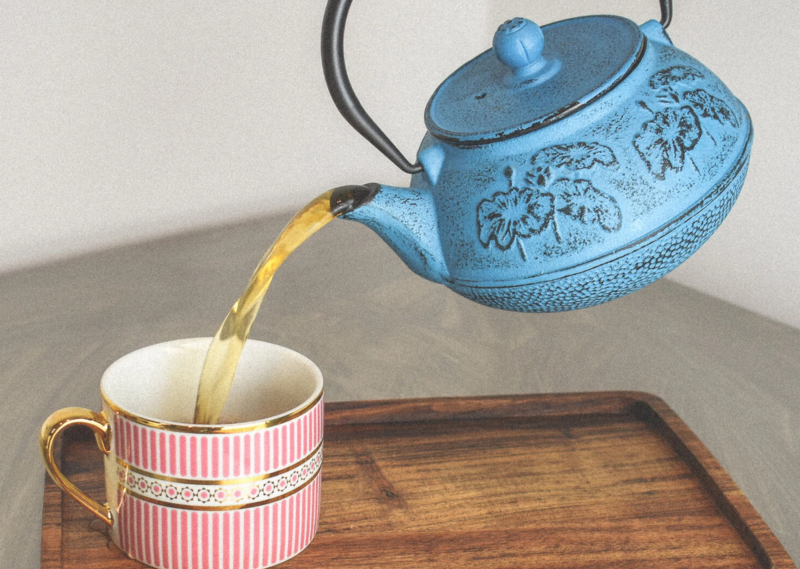
While medicinal plants are considered gentle and natural remedies, some combinations can become dangerous or ineffective if not chosen carefully. Each plant has active compounds that can interact with others in unexpected ways: they may either cancel each other out or potentiate effects up to toxicity. Below, we present 5 plant combinations that should NOT be brewed together in the same tea, explained based on scientific studies and clinical observations.
1. St. John’s Wort + Valerian – Increased Risk of Excessive Sedation
Why They Shouldn’t Be Combined:
- St. John’s Wort acts on serotonin and dopamine neurotransmitters, having antidepressant and mild stimulating effects.
- Valerian has a sedative effect, acting as a natural tranquilizer.
Combined, they can cause:
- Deep sleepiness
- Decreased reflexes and concentration
- Dangerous interactions with psychotropic medications (antidepressants, sleeping pills)
- Risk of inhibiting the central nervous system
Study:
An article in Journal of Ethnopharmacology (2021) showed that both plants altered GABA (gamma-aminobutyric acid) levels, leading to excessive inhibition of neuronal transmission. This can be dangerous for older individuals or those who drive or operate machinery.
2. Ginseng + Ginkgo Biloba – Cardiovascular Overstimulation
Why They Shouldn’t Be Combined:
- Ginseng stimulates the nervous system and increases blood pressure.
- Ginkgo Biloba improves circulation but can thin the blood.
This combination can cause:
- Palpitations, increased blood pressure
- Risk of internal bleeding (especially with anticoagulants)
- Psychomotor agitation
- Headaches, dizziness, nervousness
Study:
According to an analysis published in Drug Metabolism and Drug Interactions (2019), combining these two plants increases the risk of hypertension and bleeding, especially in individuals taking aspirin or other circulation medications.
3. Yarrow + Licorice – Hormonal Imbalance and Fluid Retention
Why They Shouldn’t Be Combined:
- Yarrow contains phytoestrogens, influencing hormonal balance.
- Licorice contains glycyrrhizin, which has effects similar to cortisol, leading to sodium and water retention.
This combination can cause:
- Hormonal imbalances (especially in women)
- Water retention and bloating
- Increased blood pressure
- Menstrual cycle disturbances
- Weight gain due to fluid retention
Study:
In a study published in Journal of Clinical Endocrinology & Metabolism (2020), glycyrrhizin was associated with increased aldosterone levels, leading to sodium retention and potassium loss. The combination with estrogenic plants exacerbates these effects, especially in women in perimenopause.
4. Peppermint + Rosemary – Potential Conflict on Digestion and Blood Pressure
Why They Shouldn’t Be Combined:
- Peppermint relaxes smooth digestive muscles and calms spasms.
- Rosemary has a tonic effect, slightly stimulating, and can increase blood pressure.
Combined, they can lead to:
- Ineffectiveness of treatments for bloating or reflux
- Risk of hypertension in sensitive individuals
- Paradoxical digestive reactions (constipation, abdominal discomfort)
- Mutual cancellation of calming and tonic effects
Study:
According to an article in Phytotherapy Research (2022), menthol in peppermint relaxes the lower esophageal sphincter, while rosmarinic acid stimulates gastric secretions. Combined, they can produce contradictory effects in the digestive tract, worsening symptoms instead of alleviating them.
5. Nettle + Brewer’s Yeast – Excess Iron and Mineral Imbalance
Why They Shouldn’t Be Combined:
- Nettle is extremely rich in iron, but also in potassium.
- Brewer’s yeast contains large amounts of chromium, selenium, and B vitamins.
Together, they can lead to:
- Excessive iron absorption (risk of hemochromatosis in predisposed individuals)
- Electrolyte imbalances (especially potassium and sodium)
- Adverse reactions in individuals with kidney disease or diabetes
- Exaggerated stimulation of metabolism
Study Explained:
According to an article in Nutrition Reviews (2018), combined supplementation with iron, chromium, and potassium can lead to interactions that affect glucose and insulin metabolism, especially in individuals with insulin sensitivity. This combination is also contraindicated in renal insufficiency.
General Contraindications:
Do not combine plants with opposing effects (e.g., sedatives with stimulants).
Avoid overlapping hormonal, sedative, or vasodilatory effects.
Individuals with chronic conditions (liver, kidney, blood pressure, hormonal disorders) should NOT consume complex teas without medical consultation.
Avoid combining more than 2-3 plants in a single tea unless there is a clear herbal recipe.
Not everything that is natural is safe, especially when it comes to combining medicinal plants. To truly benefit from their effects, choose balanced and verified formulas, and in case of doubts, seek advice from a herbalist or pharmacist.
Sources:
- Journal of Ethnopharmacology, Herbal combinations and their effects on the central nervous system
- Drug Metabolism and Drug Interactions, Potential cardiovascular effects of herbal mixtures: ginseng and Ginkgo biloba
- Journal of Clinical Endocrinology & Metabolism, Licorice root and its hormonal implications – an endocrine perspective
- Phytotherapy Research, Peppermint and rosemary: digestive system interactions and clinical considerations
- Nutrition Reviews, Trace element interactions in herbal and nutritional supplementation




