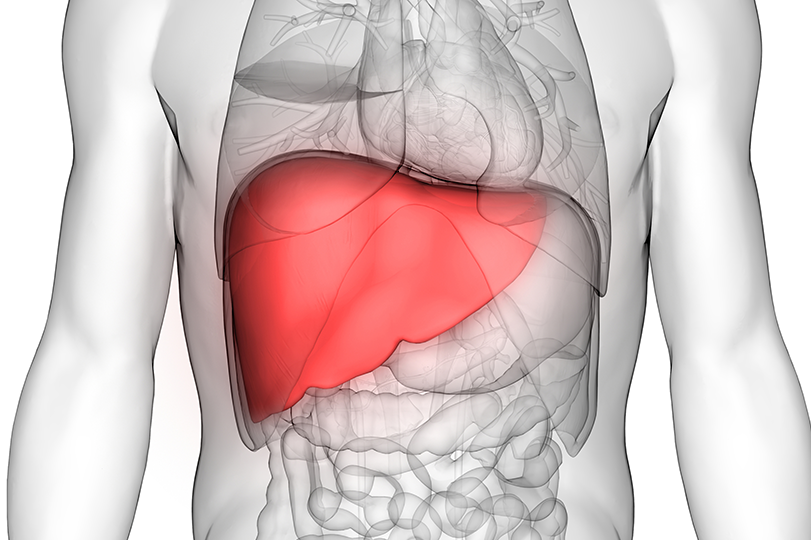
Few plants from Romania’s flora have attracted the attention of researchers as much as milk thistle (Silybum marianum). Considered a true green pharmacy for the liver, this modest plant, which grows spontaneously in sunny fields and meadows, has immense therapeutic power. Due to its high content of silymarin, milk thistle protects, detoxifies, and regenerates liver cells, also helping to cleanse the blood of toxins, heavy metals, and metabolic residues. In recent years, multiple clinical studies have confirmed that standardized extracts of milk thistle can support liver functions even in cases of severe liver diseases.
Benefits of Milk Thistle
1. Regeneration of Liver Cells
The main active substance, silymarin, stimulates protein synthesis at the level of liver cells, promoting their regeneration. It forms a protective layer on cell membranes, preventing the penetration of toxins and harmful substances. At the same time, it helps the liver produce new healthy cells, compensating for losses caused by alcohol, medications, or an unbalanced diet. Through this mechanism, the liver gradually regains its normal filtering and detoxifying functions.
2. Deep Detoxification of the Body
Milk thistle stimulates the elimination of toxins from the blood and liver, promoting their cleansing through bile and urine. It is recommended in detoxification regimens after medication treatments, periods of oxidative stress, or exposure to chemical substances. In natural medicine, it is considered an internal cleanser that helps the body eliminate accumulated residues in tissues. Studies have shown that silymarin increases the activity of antioxidant enzymes, reducing the effects of free radicals.
3. Decrease in Bad Cholesterol (LDL)
By regulating lipid metabolism, milk thistle contributes to reducing harmful cholesterol and increasing beneficial cholesterol (HDL). This effect is related to improving bile flow and liver regeneration, processes that favor the breakdown of fats. Over time, moderate consumption of milk thistle helps cleanse blood vessels and maintain healthy circulation.
4. Strong Antioxidant Protection
Silymarin has an antioxidant effect up to 10 times greater than vitamin E, according to comparative studies. It neutralizes free radicals and protects cell membranes from oxidative stress. This is crucial for the liver, but also for the entire body, preventing premature aging of cells.
5. Hepatic Anti-Inflammatory Effect
Chronic inflammation of the liver (caused by viruses, alcohol, or toxins) is significantly reduced by administering extracts of milk thistle. Studies have demonstrated that the plant inhibits the release of inflammatory mediators, helping to reduce pain and restore tissues. In cases of hepatitis, it contributes to lowering transaminase levels.
6. Cleansing of the Blood and Skin
A healthy liver means clean blood, and clean blood reflects in radiant skin. Milk thistle supports the elimination of toxins from circulation, which helps in conditions such as acne, eczema, or psoriasis. Herbal medicine practitioners often recommend it as an adjunct in dermatological treatments with metabolic components.
7. Support for Diabetics
Silymarin improves insulin sensitivity and reduces blood sugar levels by protecting pancreatic cells. It also helps lower blood fat levels, an important factor in controlling type 2 diabetes.
8. Neuroprotective Effect
In addition to its liver effects, milk thistle has beneficial action on the brain. Silymarin crosses the blood-brain barrier and protects neurons from oxidative stress, improving memory and concentration.
Scientific Studies and Research
Numerous studies have analyzed the effect of milk thistle on the liver and metabolism. One of the most important, published in Phytotherapy Research (2022), demonstrated that the extract of Silybum marianum reduced liver enzyme levels (ALT and AST) in patients with alcoholic hepatitis after 8 weeks of administration. In another study from Journal of Hepatology (2020), researchers showed that silymarin stimulates the regeneration of hepatocytes and reduces oxidative stress by up to 60%.
Research conducted at the University of Vienna (2019) confirmed that milk thistle helps even in early-stage liver cirrhosis by reducing tissue fibrosis. Additionally, a clinical study conducted in India on patients with type 2 diabetes showed that silymarin lowers blood sugar and triglycerides after 3 months of administration.
Recipes and Consumption Methods
1. Milk Thistle Tea
- 1 tablespoon of ground seeds in 250 ml of hot water.
- Let it steep for 10 minutes, strain, and drink twice a day before meals.
2. Seed Powder
- Grind the dried seeds and consume one tablespoon on an empty stomach, 2-3 times a day, with water.
3. Milk Thistle Tincture
- 20 g of crushed seeds in 100 ml of 40% food alcohol.
- Let it macerate for 10 days, shaking daily, then strain. Administer 30 drops 2-3 times a day.
4. Milk Thistle Oil (for liver and skin)
- Cold-pressed oil, 1 tablespoon in the morning and evening, before meals.
- It can also be used externally for skin regeneration.
Contraindications
Milk thistle is not recommended for pregnant or breastfeeding women, children under 12 years old, and individuals allergic to plants from the Asteraceae family (such as daisies, marigolds). It should also be avoided in combination with hepatotoxic or anticoagulant medications, as it may alter their effects. In cases of severe bile disorders or bile blockage, medical advice is recommended before use.
Nutritional Table (Milk Thistle Seeds, 100 g)
| Component | Approximate Amount |
|---|---|
| Proteins | 20 g |
| Healthy Fats (omega-6, omega-9) | 25 g |
| Fiber | 40 g |
| Silymarin | 1.53% |
| Vitamin E | 0.8 mg |
| Minerals (magnesium, zinc, iron, selenium) | 10-15% of RDA |
Sources
- Phytotherapy Research Hepatoprotective effects of Silybum marianum in alcoholic liver disease
- Journal of Hepatology Silymarin: natural hepatic antioxidant
- University of Vienna Study Milk thistle and early-stage cirrhosis improvement
- Indian Journal of Clinical Biochemistry Silymarin supplementation and glycemic control in type 2 diabetes




