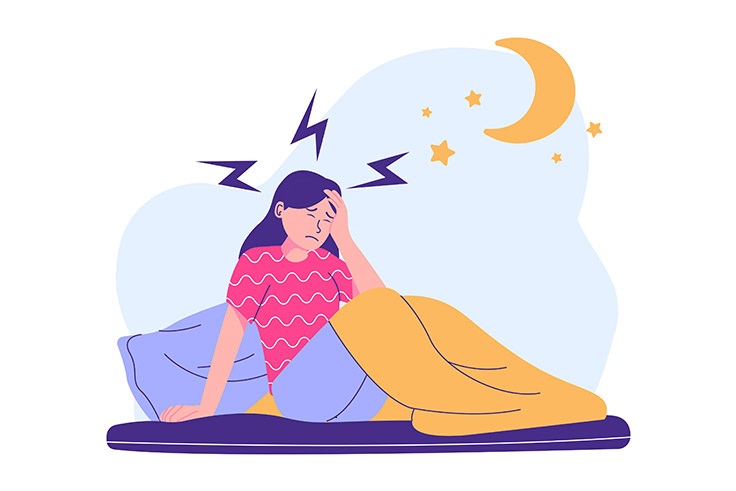
Calming teas are an increasingly sought-after natural alternative for managing stress and improving sleep. Among the most effective is lemon balm tea (Melissa officinalis), a medicinal plant with documented effects on the nervous system. Unlike traditional sleeping pills or anxiolytics, this tea does not create dependence, does not affect memory, and can be consumed long-term in moderate doses.
Benefits of Lemon Balm Tea for Anxiety and Sleep
1. Reduces anxiety symptoms naturally
Lemon balm tea contains active compounds such as rosmarinic acid and flavonoids, which interact with GABA receptors in the brain. These receptors are involved in reducing neuronal excitability, leading to a state of calm. Regular consumption of lemon balm tea can alleviate symptoms such as restlessness, inner tension, and panic attacks. It is often recommended for individuals with mild anxiety disorders due to its gentle and effective action. The effect sets in gradually, without major side effects.
2. Regulates the circadian rhythm and promotes deep sleep
Lemon balm tea helps the body enter a natural sleep rhythm by reducing cortisol (the stress hormone) and relaxing the muscles. Additionally, it contributes to a smoother transition to sleep, reducing the time needed to fall asleep. It can be consumed 30-60 minutes before bedtime for optimal effects. It does not cause daytime drowsiness or sleepiness, making it ideal for restful and deep sleep. In the long term, it contributes to improving the quality of REM sleep.
3. Alleviates nervous agitation without strong sedation
Unlike synthetic sedatives, lemon balm tea has a calming effect without affecting mental clarity. This is important for individuals who want to remain mentally active without stress or irritability. It helps balance emotional states and provides a sense of inner comfort. It is ideal for periods of mental overload, exams, major changes, or after a stressful day. It does not interfere with daily activities and does not cause confusion.
4. Supports nervous system function and protects neurons
Lemon balm has neuroprotective properties due to its antioxidant content, which reduces brain inflammation. These compounds protect nerve cells from oxidative stress, preventing premature brain wear. This effect is beneficial in preventing long-term cognitive disorders. Lemon balm tea is thus recommended for older individuals who suffer from insomnia caused by nervous degeneration. It is one of the few plants that combines calming effects with neuronal protection.
5. Regulates heart rhythms and reduces stress-induced palpitations
Many people experience anxiety at the cardiac level, in the form of palpitations or a feeling of pressure in the chest. Lemon balm tea has a mild sedative effect on the autonomic nervous system, which controls automatic functions such as heart rate. By relaxing this system, lemon balm contributes to regulating heart rhythm and reducing panic states. It is particularly useful in cases of anxiety with somatic manifestations. It can also be combined with other plants such as lavender or linden for a more complex effect.
6. Improves concentration capacity under stress
Although it is calming, lemon balm does not affect cognitive functions; on the contrary, it can support them. Studies have shown that moderate consumption of lemon balm can improve attention and short-term memory, especially in stressful contexts. The tea is a good option for students or individuals engaged in intense intellectual work who experience mental fatigue. It can be consumed during the day without causing excessive drowsiness. Thus, lemon balm balances the nervous system without slowing it down.
7. Helps digestion affected by stress and emotions
Anxiety often affects digestion, leading to bloating, nausea, or abdominal discomfort. Lemon balm tea has carminative and antispasmodic effects, relaxing the smooth muscles of the intestines. Thus, it reduces gastrointestinal discomfort associated with stress. It is recommended after meals or during periods of heightened emotional tension. It can be combined with chamomile or mint for enhanced digestive effects.
8. Can be administered to children or sensitive individuals
Another major advantage of lemon balm is its safety. In moderate doses, it can be administered to children over 3 years old who have sleep difficulties or nervous agitation. It is also suitable for the elderly, individuals with mild heart conditions, or pregnant women (only with medical advice). Being a plant with a gentle action, it does not interfere with other medications in most cases. It is a natural and safe alternative for anyone looking for a solution without risks.
What Do Scientific Studies Say?
A study published in the Mediterranean Journal of Nutrition and Metabolism (2011) evaluated the effects of lemon balm on anxiety and sleep disorders. Researchers administered lemon balm extract to a group of patients with mild to moderate anxiety for 15 days. The results showed a significant reduction in symptoms of restlessness, irritability, and sleep disturbances. Participants reported an overall improvement in quality of life and greater concentration capacity. Interestingly, no notable adverse effects were reported, and tolerance to the plant was excellent.
Another study published in Neurochemical Research (2003) demonstrated that rosmarinic acid from lemon balm modulates GABA receptors, similar to benzodiazepines, but without severe side effects. In animal experiments, lemon balm extract significantly reduced anxious behaviors and increased REM sleep duration. Additionally, lemon balm showed high antioxidant potential, protecting neurons from degeneration.
A double-blind study conducted in Germany on 20 healthy volunteers compared the effects of two doses of lemon balm (300 and 600 mg). It was observed that the higher dose produced significant relaxation without negatively affecting cognitive performance. Participants felt calmer but also more focused, confirming the balanced effect of the plant.
Other research suggests that lemon balm has potential in seasonal affective disorders and in cases of insomnia associated with menopause, due to its regulatory effect on the neuroendocrine system. Thus, it is a promising plant in modern phytotherapy.
Contraindications
- Long-term administration of lemon balm tea without breaks (over 4 weeks continuously) is not recommended.
- Avoid combining with sedatives or antidepressants without medical advice.
- Individuals with thyroid conditions (hypothyroidism) should consult a doctor, as lemon balm may reduce thyroid activity.
- It is not recommended for pregnant or breastfeeding women without special recommendations.
- Some sensitive individuals may experience drowsiness or mild digestive disturbances.
Sources:
- Mediterranean Journal of Nutrition and Metabolism Effects of Melissa officinalis on anxiety and sleep disorders
- Neurochemical Research Modulation of GABA Receptors by Rosmarinic Acid from Melissa officinalis




