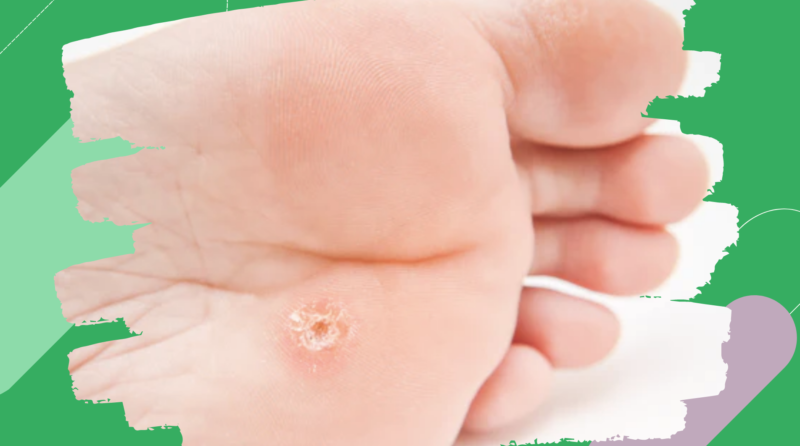
Corns frequently appear on the feet, especially on the toes or under the fingers, but they can also occur on the palms due to repeated friction or pressure. Although they are not dangerous in themselves, they can become extremely painful, unsightly, and predispose to infections. Natural remedies offer safe and gentle solutions to reduce discomfort without the risks associated with aggressive chemical products.
Natural Remedies That Soften and Eliminate Corns
1. Baking Soda and Warm Water
How to use:
Dissolve 2 tablespoons of baking soda in a basin with 2 liters of warm water. Soak your feet for 15-20 minutes, then gently massage the area with a pumice stone or a brush.
How it works:
Baking soda has exfoliating, alkalizing, and disinfecting properties. It helps soften thickened skin, promoting the removal of dead cells.
Contraindications:
Avoid if you have cracked skin or open wounds.
2. Apple Cider Vinegar and Bread
Traditional recipe:
Soak a small piece of bread (preferably stale) in apple cider vinegar and apply it to the corn. Cover it with plastic wrap and leave it overnight. In the morning, the dead skin can be easily removed with a file.
How it works:
The natural acids in vinegar dissolve the hard keratin in the corn, while the bread helps retain moisture and active substances on the affected area.
Contraindications:
It may irritate sensitive skin; a patch test is recommended beforehand.
3. Castor Oil with Crushed Garlic
Preparation method:
Mix 1 tablespoon of castor oil with 1 clove of crushed garlic. Apply it to the corn, cover it with gauze, and leave it for 2-3 hours. Repeat daily for 5-7 days.
How it works:
Castor oil has a strong emollient effect, while garlic has antibacterial and antifungal properties, ideal if the skin is cracked or inflamed.
Contraindications:
Garlic can cause burns if left on too long; do not leave it overnight.
4. Fresh Aloe Vera
How to apply:
Cut a leaf of aloe and apply the gel directly to the corn. Cover it with gauze and leave it overnight.
How it works:
Aloe vera contains enzymes and anti-inflammatory compounds that accelerate skin regeneration and reduce discomfort. It deeply hydrates and helps detach thick layers.
Contraindications:
Rarely, it may cause local allergic reactions; a 24-hour patch test is recommended.
5. Calendula Macerate in Olive Oil
Preparation:
Place calendula flowers in a jar, cover them with olive oil, and let them macerate for 2 weeks. Strain and apply daily to the areas with corns.
How it works:
Calendula is healing, soothing, and anti-inflammatory. The oil hydrates, and the combination helps regenerate the affected tissue.
Contraindications:
Avoid if you are allergic to plants from the Asteraceae family.
What Do Studies Say About These Remedies?
Journal of Dermatological Treatment, 2021:
A comparative study between apple cider vinegar and salicylic acid showed that vinegar was effective in 71% of cases within 10 days, without irritation in patients with sensitive skin.
Phytotherapy Research, 2022:
Aloe vera gel demonstrated a rapid epidermal regeneration effect, reducing the thickness of keratinized skin by 38% in just 7 days.
International Journal of Phytomedicine, 2020:
Calendula has been confirmed to be effective in reducing skin inflammation, including in cases of inflamed corns.
General Contraindications
- Do not use natural remedies on cracked or infected skin without medical advice.
- If you have diabetes, avoid any local treatment without your doctor’s approval.
- Never attempt to remove corns at home as it can lead to serious infections.
- In case of adverse reactions (burns, itching, excessive redness), stop application immediately.




