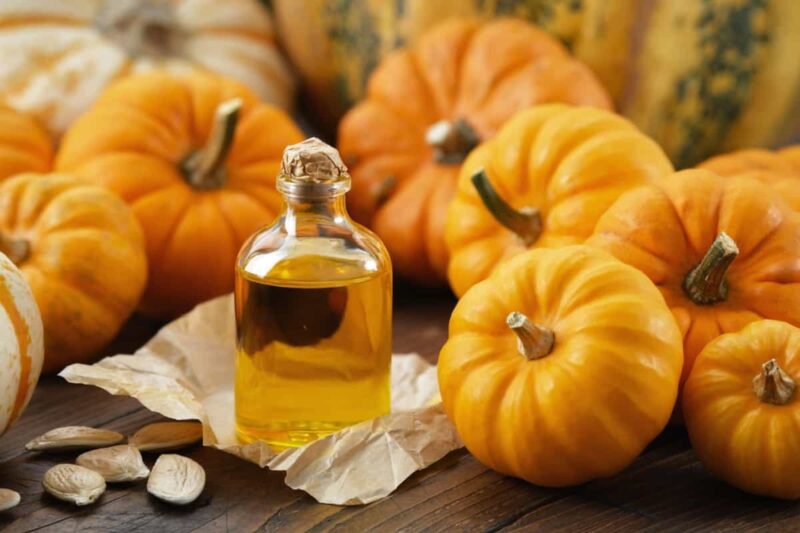
Cold-pressed pumpkin seed oil is one of the most valuable vegetable oils for health, being a natural source of essential fatty acids, phytosterols, and antioxidants. Consumed daily in small amounts (one tablespoon), this green-golden elixir can bring multiple benefits to the body without overloading the liver or digestive system.
Benefits
1. Supports prostate and urinary tract health
Pumpkin seed oil is well-known for its protective effect on the prostate, especially in cases of benign hyperplasia. The natural phytosterols and zinc it contains contribute to reducing inflammation and regulating urinary function.
A study published in Nutrition Research and Practice (2014) showed that men who consumed pumpkin seed oil daily for 12 weeks experienced a significant reduction in urinary symptoms related to the prostate.
2. Reduces inflammation and protects joints
Unsaturated fatty acids (especially omega-6 and omega-9), along with vitamin E, have a proven anti-inflammatory effect. When consumed daily, pumpkin seed oil helps alleviate joint pain and improve mobility.
Research published in Pharmacological Research (2008) demonstrated that pumpkin seed oil can reduce inflammation comparably to certain anti-inflammatory medications, without adverse effects.
3. Supports cardiovascular health
Due to its high content of essential fatty acids, phytosterols, and antioxidants, pumpkin seed oil helps regulate LDL cholesterol and protects blood vessels.
A study conducted by Japanese researchers and published in Clinical Nutrition indicated that pumpkin seed oil reduces blood pressure and has beneficial effects in preventing atherosclerosis.
4. Improves digestion and intestinal health
Pumpkin seed oil has a mild laxative and soothing effect on the intestinal mucosa, making it useful in cases of chronic constipation or irritable bowel syndrome. Additionally, it supports the balance of intestinal flora.
Studies show that unsaturated fatty acids play an important role in maintaining intestinal integrity and reducing the risk of chronic inflammation.
5. Supports hormonal balance and skin health
Due to its natural content of phytoestrogens, pumpkin seed oil helps regulate hormonal imbalances, especially during menopause. It also nourishes the skin from within, contributing to the reduction of dryness and eczema.
The Journal of Cosmetic Dermatology published data indicating that regular consumption of vegetable oils rich in vitamin E and fatty acids reduces wrinkles and improves skin elasticity.
How to Consume
It is recommended to take 1 tablespoon/day of cold-pressed pumpkin seed oil, on an empty stomach in the morning or added to salads, cold soups, or over vegetables at the end of cooking.
It is not recommended to fry or heat it, as this can destroy the active compounds.
Contraindications and Precautions
Allergy to pumpkin seeds is rare, but should be checked before administration.
Individuals with gallbladder stones should consult a doctor, as the oil may stimulate bile secretion.
Interactions with anticoagulant medications due to its vitamin E content may enhance their effects.
It is not recommended in large quantities, as it may lead to lipid imbalances.
Sources:
- Nutrition Research and Practice Effects of pumpkin seed oil on benign prostatic hyperplasia
- Pharmacological Research Anti-inflammatory effects of pumpkin seed oil
- Clinical Nutrition Effects of pumpkin seed oil on blood pressure and lipid profile
- Journal of Cosmetic Dermatology The role of essential fatty acids in skin aging




