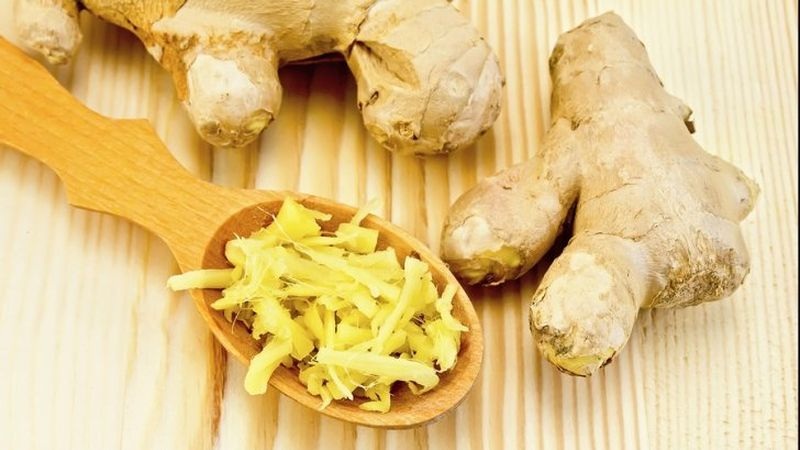
Ginger is often praised for its anti-inflammatory, digestive, and immune-boosting effects. However, despite its recognized benefits, this powerful root can become dangerous in certain combinations, especially when taken alongside anticoagulant medications. Doctors are raising alarms: the interaction between ginger and oral anticoagulants can lead to serious bleeding or even internal hemorrhaging.
How Ginger Affects the Body
Ginger contains bioactive compounds such as gingerol and shogaol, which affect the circulatory system by thinning the blood. This is good news for preventing clots, but it becomes dangerous in combination with anticoagulants (such as warfarin, apixaban, rivaroxaban, or heparin), which have the same goal: preventing coagulation.
Medical Warning: Risk of Excessive Bleeding
An article published in Journal of Cardiovascular Pharmacology mentions that taking ginger in large doses can prolong blood coagulation time, especially when associated with anticoagulant treatments. This overlap of effects can cause:
- spontaneous bruising;
- frequent nosebleeds;
- heavy menstruation;
- digestive bleeding (black stool, vomiting blood);
- intracranial bleeding in severe cases.
A report from the National Institutes of Health (NIH) warns that concentrated ginger supplements or teas can significantly alter INR (International Normalized Ratio), increasing the risk of bleeding.
What Doctors Say
Dr. Emily Gordon, a clinical pharmacology specialist, states:
“Ginger is excellent for inflammation and digestion, but combined with anticoagulants, it can destabilize the delicate balance of coagulation. Patients on anticoagulant therapy should avoid regular or large amounts of ginger, whether in supplement form or as food.”
Other Herbs and Foods with Similar Risks
Ginger is not the only herb that can negatively interact with anticoagulants. Some of the most well-known include:
- Garlic
- Ginkgo biloba
- Turmeric
- Chili pepper
- Ginseng
- Coenzyme Q10
All of these can potentiate the anticoagulant effect and, implicitly, the risk of bleeding.
Safety Recommendations
- Always consult your doctor or pharmacist before introducing ginger into a diet with anticoagulant treatment.
- Avoid concentrated supplements without medical supervision.
- Be alert to signs of possible internal bleeding.
- If undergoing surgery, ginger should be stopped at least 7 days prior.
Sources:
-
Drugs.com Ginger and Warfarin Interactions
-
EatingWell.com The One Spice You Should Avoid If You Take Blood Thinners
-
Singapore Medical Journal Interaction between warfarin and Chinese herbal medicines
-
Wikipedia.org Ginger Drug interactions




