Abdominal massage is an ancient therapeutic practice that has been rediscovered and supported by modern research for its benefits on the digestive system. When applied correctly, this type of massage can stimulate peristalsis, reduce bloating and abdominal discomfort, and naturally regulate intestinal transit. Here’s everything you need to know about how it works, how to do it correctly, and what studies say about its effectiveness.
Why Does Abdominal Massage Work?
The digestive tract is strongly influenced by the autonomic nervous system and the smooth muscle contractions. Abdominal massage activates the vagus nerve and stimulates blood circulation in the intestinal area. Thus, it contributes to:
-
stimulating intestinal peristalsis (the contractions that push the digestive contents towards evacuation)
-
relaxing abdominal muscles tense from stress or gas accumulation
-
relieving the descending colon, where blockages or constipation usually occur
-
activating the parasympathetic system, responsible for relaxation and digestion
What Do Studies Say?
-
A study published in Journal of Clinical Nursing (2011) showed that daily abdominal massage for 15 minutes over a period of 8 weeks significantly reduced symptoms of chronic constipation in elderly patients.
-
A study from Complementary Therapies in Medicine (2015) concluded that abdominal massage improves not only intestinal transit but also overall well-being and sleep quality, especially in patients with irritable bowel syndrome.
-
Korean studies have supported the effectiveness of the massage technique along the colon, stating that it can reduce evacuation time by up to 40% in patients with functional constipation.
Simple Abdominal Massage Techniques
It is recommended to apply the massage 12 hours after a meal or in the morning, before breakfast.
1. Circular Massage in the Direction of Clock Hands
Use 3 fingers (index, middle, and ring).
Start from the lower right side of the abdomen (cecum area), move up under the ribs, go to the left, and down towards the pelvis (the path of the colon).
Apply gentle pressure, deep but without pain.
Duration: 5-10 minutes
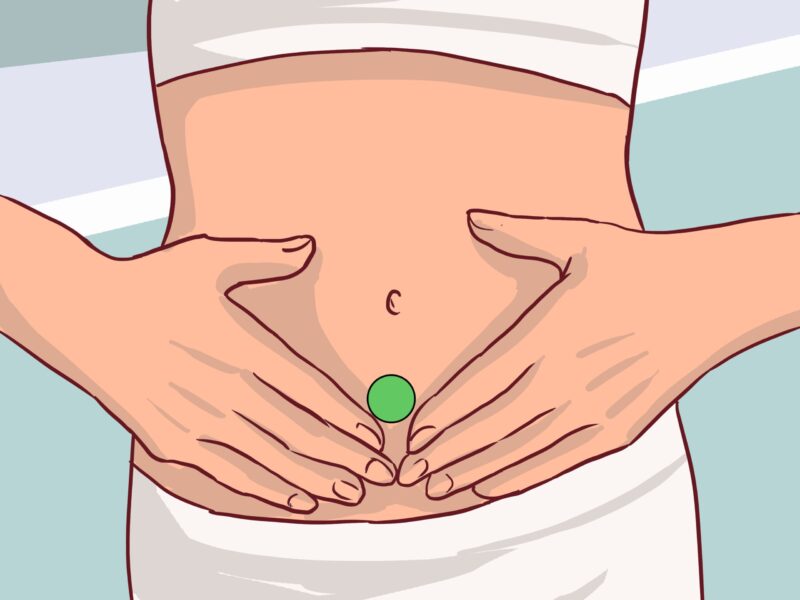
2. Flat Palm Pressure on the Abdomen
Rub your palms together to warm them.
Apply gentle pressure with the whole palm over the entire abdominal area.
Breathe deeply, synchronizing the massage with your breathing.
Duration: 3-5 minutes
3. Knees to Chest Technique and Colon Massage
Lie on your back and bring your knees to your chest.
With one hand, massage the colon along the same path as in technique 1.
This position encourages the release of gas.
Duration: 5-7 minutes
When Can It Be Useful?
-
Occasional or chronic constipation
-
Bloating and flatulence
-
Abdominal discomfort after meals
-
Irritable bowel syndrome (from mild to moderate forms)
-
Anxiety or stress (which affect digestion)
Contraindications
Abdominal massage is not recommended in the following situations:
-
Pregnancy (especially in the first trimester, without medical advice)
-
Abdominal infections or inflammations (appendicitis, peritonitis)
-
Recent surgical interventions
-
Abdominal hernia
-
Aneurysms, thrombosis, or vascular problems in the abdominal area
-
Severe abdominal pain with unknown cause
Consult your doctor before starting the massage, especially if you have diagnosed digestive conditions.
Additional Recommendations
-
Combine the massage with fiber intake, proper hydration, and regular physical activity.
-
You can apply relaxing essential oils (mint, lavender, fennel) in a base oil (almond, coconut) for additional effects.
-
Do not force the massage. If discomfort occurs, stop the application.
Abdominal massage is a simple, effective method with no side effects when applied correctly. It can be a gentle, natural, and accessible solution for regulating intestinal transit, supported by scientific evidence and practical experience. Additionally, it offers a valuable connection between mind and body, encouraging mindful self-care.




