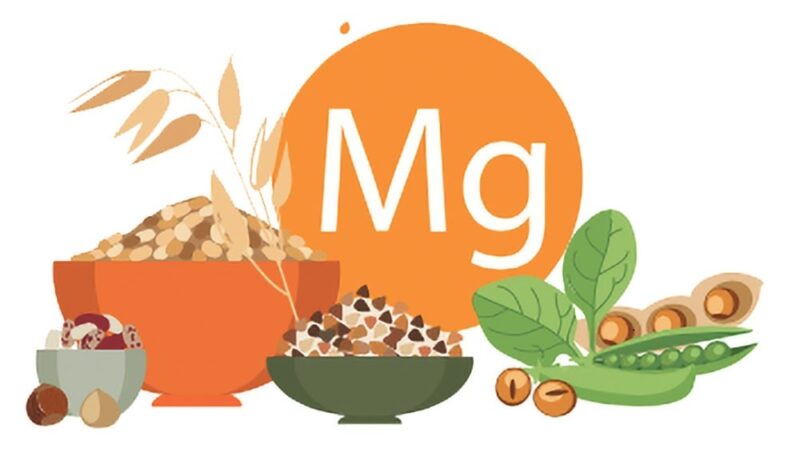
Magnesium is an essential mineral involved in over 300 enzymatic processes in the human body. It is vital for the functioning of muscles, the nervous system, the heart, bones, and metabolism. A lack of magnesium can lead to chronic fatigue, muscle spasms, anxiety, sleep disorders, and even cardiac arrhythmias.
Fortunately, nature offers us a variety of magnesium-rich foods that can prevent or correct deficiencies without the need for synthetic supplements.
The Richest Food Sources of Magnesium
1. Pumpkin Seeds
Approximately 150 mg of magnesium per 28 g
In addition to magnesium, they also provide zinc, iron, and healthy fats. They are ideal as a snack or added to salads and smoothies.
2. Almonds
Over 80 mg of magnesium per ounce (28 g)
An excellent source of monounsaturated fats, vitamin E, and protein.
3. Cooked Spinach
Approximately 157 mg of magnesium per cup
A perfect choice for soups, cooked dishes, or purees.
4. Avocado
A medium fruit provides about 60 mg
Contains potassium, fiber, Omega-9 fatty acids, and antioxidants.
5. Dark Chocolate (minimum 70% cocoa)
Up to 65 mg of magnesium per serving (30 g)
In addition to its intense flavor, it contains flavonoids beneficial for the heart.
6. Beans and Black Beans
60-90 mg of magnesium per cooked cup
Rich in plant proteins and fiber.
7. Bananas
Approximately 32 mg per banana
An excellent source of energy and potassium, good for regulating blood pressure.
8. Oatmeal
60 mg of magnesium per cooked cup
Ideal for a healthy breakfast, especially when combined with seeds and fruits.
Other Food Sources of Magnesium
Black beans and lentils 60-90 mg of magnesium per cooked cup
Tofu (soy cheese) approximately 35-50 mg per serving
Natural yogurt provides 30-40 mg per serving (250 g), plus beneficial probiotics
Sweet potatoes around 30 mg per medium potato
Fish (salmon, mackerel, tuna) 30-50 mg per serving, with cardiovascular benefits
Dried figs around 50 mg per 100 g, a sweet and mineral-rich snack
Sunflower seeds approximately 90 mg per 28 g
Whole grain bread and cereals up to 50 mg per slice or serving
The Benefits of Magnesium – Why is it so Important?
Supports Heart Health
Magnesium helps regulate heart rhythm, blood pressure, and muscle contractions. Studies show that low magnesium levels can increase the risk of cardiovascular diseases.
A study published in the Journal of Human Hypertension (2021) showed that a magnesium-rich diet can reduce blood pressure values in patients with moderate hypertension.
Improves Sleep and Reduces Anxiety
Magnesium contributes to the regulation of neurotransmitters and melatonin, the sleep hormone. It is useful in combating insomnia and stress.
According to research in Nutrients (2020), magnesium supplementation significantly improved sleep quality among older adults.
Prevents Cramps and Muscle Pain
Helps relax muscles, often recommended for athletes or those with frequent spasms.
Maintains Bone Health
Works with calcium and vitamin D to maintain bone density. It is crucial, especially in preventing osteoporosis.
Supports Energy Metabolism
Without sufficient magnesium, the body cannot produce ATP (cellular energy). Its deficiency can lead to constant fatigue.
Magnesium Deficiency – Signs and Symptoms
- Chronic fatigue
- Muscle cramps
- Sleep disturbances
- Irritability, anxiety
- Palpitations
- Numbness or tingling
- Constipation
How to Integrate Magnesium into Your Daily Diet
- Add pumpkin seeds and almonds to salads or yogurts.
- Consume avocado as guacamole or in sandwiches.
- Include cooked spinach in vegetable dishes or pasta.
- Choose oatmeal with fruits for breakfast.
- Enjoy, from time to time, a piece of dark chocolate with herbal tea.
Magnesium is an essential ally for health, and the best sources are natural – seeds, greens, fruits, legumes, and dark chocolate. With a varied and balanced diet, we can maintain optimal magnesium levels and support the proper functioning of the entire body.
Sources:
- healthline.com Top Magnesium-Rich Foods
- pubmed.ncbi.nlm.nih.gov Magnesium in prevention and therapy
- journals.sagepub.com Magnesium and blood pressure: a meta-analysis
- mdpi.com Effects of Magnesium Supplementation on Sleep Quality in Older Adults




