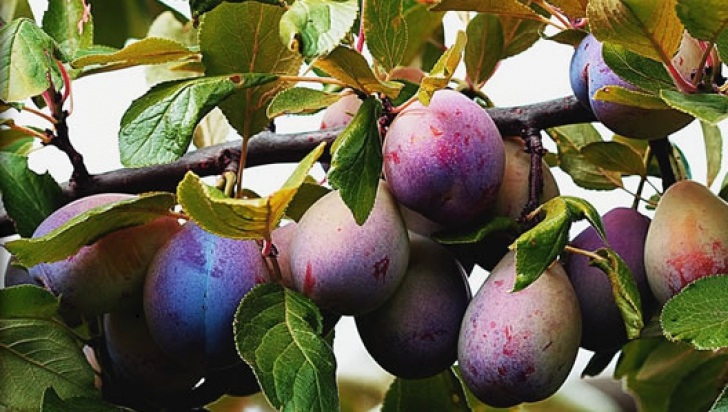
Little known among natural remedies, plum leaves hide a therapeutic treasure ignored by many. They have been used in folk medicine in various regions of Europe, but recently modern research has begun to pay them the attention they deserve.
Beyond their aesthetic role or protection of the fruit, plum leaves (Prunus domestica) contain active compounds that can support the body in surprising ways. The tea made from these leaves thus becomes a brew with multiple therapeutic uses.
Composition of plum leaves
Plum leaves contain a series of bioactive substances with beneficial effects on health:
- Tannins with astringent and anti-inflammatory effects
- Flavonoids powerful natural antioxidants
- Phenolic acids with detoxifying and antiviral action
- Vitamins C and K in small but effective amounts
- Cyanogenic glycosides present in small quantities, having a mild sedative and antispasmodic effect
How to prepare plum leaf tea
To benefit from the properties of these leaves, here is a simple and effective recipe:
Ingredients:
- 1 tablespoon of fresh plum leaves (or 1 tablespoon of dried leaves)
- 250 ml of boiling water
Preparation method:
- Wash the leaves well (if they are fresh).
- Place them in boiling water and let infuse for 10-12 minutes, covered.
- Strain and drink warm, 1-2 times a day, preferably on an empty stomach in the morning.
You can consume up to 2 cups a day for 7-10 days, followed by a break.
Benefits of plum leaf tea
1. Supports detoxification of the body
Flavonoids and phenolic acids contribute to the elimination of toxins through the liver and kidneys. Studies show that these substances stimulate glutathione, a key antioxidant in liver detoxification processes.
According to a study published in the Journal of Medicinal Plants Research (2021), extracts from plum leaves exhibited antioxidant activity comparable to plants recognized for detoxification.
2. Soothes inflammation and digestive pain
Tannins have an astringent effect and can reduce irritation of the gastrointestinal mucosa, being useful in cases of mild diarrhea, bloating, or mild gastritis.
3. Has a mild sedative effect and helps with sleep
Cyanogenic glycosides, in small amounts, can act as a muscle relaxant and nerve calmant, promoting restful sleep. It does not have the aggressive effect of sleeping pills but can induce a calm and deep sleep, especially when consumed in the evening.
4. May help with water retention
It acts mildly as a diuretic, helping to eliminate excess fluids and reduce mild edema. Through this effect, it can also be useful in supporting normal blood pressure.
Contraindications and precautions
- Excessive consumption (more than 2 cups/day) is not recommended due to the low content of cyanogenic substances.
- Avoid during pregnancy and breastfeeding without medical advice.
- People with severe liver conditions, coagulation disorders, or those undergoing anticoagulant treatments should consult a doctor.
- It may interact with certain diuretic or sedative medications.
Plum leaf tea is a little-explored treasure that deserves to be rediscovered. With gentle yet effective effects on detoxification, the digestive system, and relaxation, this natural remedy can become a reliable ally in your health routine. However, it is important to use it with moderation and discernment.
Sources used:
-
Journal of Medicinal Plants Research Phytochemical screening and antioxidant properties of Prunus domestica leaves
-
Journal of Ethnopharmacology Traditional use of plum tree leaves in mild gastrointestinal disorders
-
Botanical Research Bulletin Natural sedative effects of cyanogenic glycosides in Prunus species




