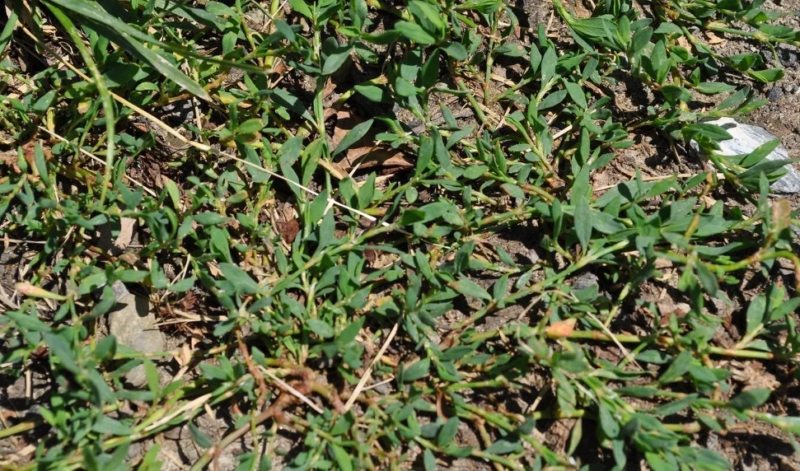
Knotgrass (Polygonum aviculare) is a modest plant that grows along roadsides, among stones, or in gardens, but it hides remarkable therapeutic properties. With a rich phytochemical profile and a history of use in European and Asian folk medicine, knotgrass has been particularly appreciated for its effects on the kidneys and urinary system.
Chemical Composition
Knotgrass contains a wide range of active substances, including:
- Flavonoids (avicularin, quercetin, kaempferol)
- Tannins
- Organic silicon (in high concentrations)
- Organic acids (gallic acid, caffeic acid)
- Vitamins C and K
- Mucilages
- Essential oils in small quantities
This composition is responsible for its diuretic, remineralizing, anti-inflammatory, and antiseptic effects.
Benefits of Knotgrass for the Kidneys: How It Works
1. Strong Diuretic Effect
Knotgrass stimulates the elimination of water through the kidneys, helping to cleanse them without causing severe electrolyte imbalances. This effect is mainly due to the flavonoids and potassium salts. The plant is useful in edema, water retention, but especially in cleansing the urinary tract.
2. Aid in Urinary Infections and Kidney Stones
Organic silicon and tannins act as natural antiseptics, contributing to reducing inflammation and inhibiting bacterial proliferation. Studies show that administering knotgrass extract can reduce the symptoms of cystitis and help in dissolving microcrystals in the kidneys (kidney stones).
3. Protection for Renal Epithelium
Flavonoids, especially quercetin, have a protective effect on kidney cells due to their antioxidant action. They reduce oxidative stress and inflammation, aspects involved in the onset of chronic nephropathies.
4. Promotes the Elimination of Uric Acid and Oxalates
Through its diuretic and purifying effect, knotgrass helps prevent the formation of uric or oxalic kidney stones, playing an essential role in detoxifying the renal system.
Administration Methods
1. Simple Infusion
- Ingredients: 1 tablespoon of dried plant (aerial parts), 250 ml boiling water
- Preparation Method: Infuse for 10-15 minutes, then strain.
- Administration: 2-3 cups per day, preferably between meals. The treatment can last 2-3 weeks.
2. Knotgrass Tincture
- Administer 30 drops diluted in a little water, 3 times a day, 30 minutes before meals.
- It is indicated for more concentrated treatments, in cases of recurrent cystitis or kidney stones.
3. Powder from Dried Plant
- Consume 1 heaping teaspoon of powder (obtained by finely grinding the dried plant), twice a day, with water.
- Hold under the tongue for 10-15 minutes before swallowing. The treatment lasts between 14 and 21 days.
4. Bath with Knotgrass (in case of urinary infections)
- Boil 4 tablespoons of the plant in 2 liters of water for 10 minutes.
- Add to bath water for soaking, and soak for 15-20 minutes.
Recent Studies and Research
A study published in Journal of Ethnopharmacology (2021) demonstrated the ability of knotgrass extract to reduce inflammation in the urinary tract in mice, comparable to mild antibiotics, without adverse effects on the intestinal microbiome.
Another research (2023, Iranian Journal of Basic Medical Sciences) confirmed the protective effects on the kidneys in cases of heavy metal poisoning, due to the content of organic silicon and natural antioxidants.
Chinese herbal medicine considers this plant to be a remedy for internal heat, useful in renal and urinary inflammation, and modern studies tend to confirm its efficacy in conditions such as nephritis or mild urinary lithiasis.
Contraindications and Precautions
Do not administer in cases of:
- Severe renal insufficiency (without medical advice)
- Hypotension (due to the diuretic effect)
- Pregnancy and breastfeeding (lack of safety studies)
- Individuals with chronic diarrhea due to the content of tannins that may exacerbate constipation
Consultation with a doctor is recommended before starting a treatment with knotgrass, especially if other diuretics or kidney medications are being administered.
Knotgrass is a modest-looking plant but has a profound action on kidney health. Through its gentle diuretic, anti-inflammatory, detoxifying, and renal epithelial protective effects, knotgrass can be a valuable ally in maintaining the health of the urinary system. With simple administration methods and proven efficacy in recent research, this plant deserves increased attention in modern phytotherapy.




