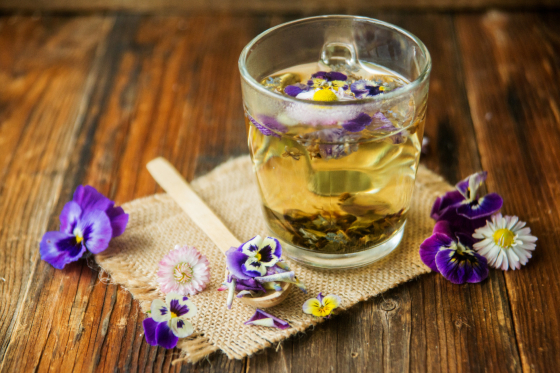
The tea made from three-leaf violet (Viola tricolor) has been known for centuries for its powerful effects on the skin and blood. Once considered a simple medicinal plant from the rustic gardens of Central Europe, it is now at the center of modern research confirming what traditional medicine confidently claimed: this plant has the ability to purify the blood and support the body’s detoxification functions.
What Does the Three-Leaf Violet Plant Contain?
The flower of Viola tricolor is a rich phytotherapeutic treasure containing:
-
Flavonoids with antioxidant and anti-inflammatory effects;
-
Saponins support the elimination of toxins through the skin and kidneys;
-
Natural salicylic acid with mild detoxifying and calming effects;
-
Mucilages protect mucous membranes and promote intestinal transit;
-
Tannins and anthocyanins involved in regulating inflammatory processes and supporting peripheral circulation.
How Does Three-Leaf Violet Tea Work in Blood Purification?
Three-leaf violet is one of the few plants that detoxifies both through the lymphatic system and through renal and skin elimination. This makes it an ideal remedy for:
-
Eliminating metabolic waste accumulated in the blood;
-
Reducing toxic load on the liver and kidneys;
-
Supporting elimination through the skin, which leads to the improvement of conditions such as eczema, acne, or psoriasis;
-
Modulating systemic inflammatory reactions, contributing to overall internal balance.
It is recommended to take it in courses of 2-3 weeks, with breaks of 10 days.
Traditional Recipe for Blood Purifying Tea
Ingredients:
-
1 tablespoon of dried plant (flowers and leaves of three-leaf violet)
-
250 ml boiling water
Preparation:
-
Pour hot water over the plant;
-
Cover the pot and let it steep for 10-12 minutes;
-
Strain and consume unsweetened, preferably between meals.
Drink 2-3 cups a day for 14-21 days.
What Does Science Say?
Numerous studies have confirmed the detoxifying and anti-inflammatory potential of the plant:
-
A study published in Journal of Ethnopharmacology (2018) showed that extracts of Viola tricolor reduce cellular oxidative stress and support the activity of antioxidant enzymes in the liver and kidneys.
-
According to research published in Phytotherapy Research (2020), flavonoids from three-leaf violet help regulate endothelial function and reduce systemic inflammation.
-
In Molecules (2022), the antibacterial and anti-inflammatory effect was highlighted, with potential in alleviating skin problems associated with circulating toxins.
Contraindications and Precautions
-
Not recommended for children under 12 years without medical advice.
-
Avoid during pregnancy and breastfeeding.
-
May interact with anticoagulant or diuretic medications.
-
Individuals with autoimmune diseases should consult a doctor before use, due to potential immunomodulatory effects.
Excessive consumption (over 3 cups/day or more than 3 weeks) without interruption is not recommended, as it may lead to mineral imbalances or gastric irritations.
Sources:
-
Journal of Ethnopharmacology Viola tricolor L. extract protects against oxidative stress-induced liver injury in vivo
-
Phytotherapy Research Flavonoid-rich extracts of Viola species and their anti-inflammatory effects
-
Molecules Viola tricolor Extract: Antibacterial and Anti-Inflammatory Potential in Skin Disorders




