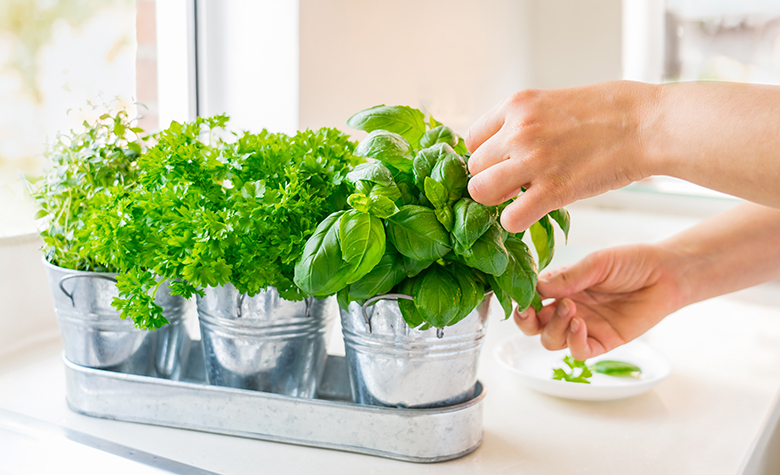
Urban gardening is no longer a fad, but a form of therapy, autonomy, and health. Even a small balcony can become a mini green pharmacy if you choose the right plants. Some of the most valuable natural remedies can be grown in pots, with minimal effort. We present 5 medicinal plants that are easy to cultivate on your balcony, with remarkable health benefits, ways to use them, and important recommendations.
1. Peppermint (Mentha piperita)
How it works:
Peppermint has antispasmodic, digestive, and calming effects. It contains menthol, which helps relax the smooth muscles of the digestive tract and stimulates bile secretion.
How to use:
-
Infusion (1 tablespoon of dried leaves in 200 ml of boiling water, twice a day).
-
Essential oil (for inhalations or massage).
-
Fresh leaves in lemonade or salads.
Contraindications:
Avoid consuming in large quantities if you suffer from gastroesophageal reflux, gastric ulcer, or hiatal hernia. Not recommended for children under 2 years old (menthol can cause laryngeal spasm).
Studies:
A study published in Phytotherapy Research (2019) showed the effectiveness of peppermint oil capsules in reducing pain associated with irritable bowel syndrome.
2. Basil (Ocimum basilicum)
How it works:
It has anti-inflammatory, antioxidant, and antispasmodic properties. The linalool and eugenol in its composition support digestive health and reduce oxidative stress.
How to use:
-
Infusion from fresh or dried leaves.
-
Fresh leaves in culinary preparations.
-
Poultices for insect bites.
Contraindications:
Avoid daily consumption in large doses for long periods, as it contains estragole, a potentially carcinogenic compound in high amounts. Not recommended for pregnant women (in excess).
Studies:
According to a study published in Frontiers in Pharmacology (2021), basil significantly reduces cortisol levels in rats exposed to chronic stress.
3. Thyme (Thymus vulgaris)
How it works:
It is a powerful respiratory antiseptic, rich in thymol and carvacrol. It acts against bacteria, fungi, and viruses.
How to use:
-
Infusion for colds, coughs, or sore throats.
-
Steam inhalation with concentrated infusion.
-
Essential oil for chest massage or inhalations (with appropriate dilution).
Contraindications:
Not recommended for pregnant women in concentrated form (essential oil). Avoid administration in large doses for long periods.
Studies:
A study published in Journal of Applied Microbiology (2020) highlighted the strong antimicrobial effect of thyme on respiratory bacteria.
4. Lemon balm (Melissa officinalis)
How it works:
It has mild sedative, anxiolytic, and antispasmodic effects. It is effective in insomnia, states of agitation, or digestive pain associated with stress.
How to use:
-
Infusion (1 tablespoon in 250 ml of water, 2-3 times a day).
-
Tincture or standardized extract.
-
Combined with lavender or linden in calming teas.
Contraindications:
May interact with sedative medications. Not recommended for individuals with untreated hypothyroidism (may reduce thyroid activity).
Studies:
Research published in Medical Journal of Iran (2017) showed the effectiveness of lemon balm extract in reducing mild anxiety symptoms.
5. Plantain (Plantago major)
How it works:
Known for its emollient, anti-inflammatory, and healing effects, plantain is useful in respiratory conditions and superficial wounds.
How to use:
-
Infusion for soothing cough.
-
Fresh juice from leaves for canker sores or wounds.
-
Poultices with crushed leaves for insect bites or minor burns.
Contraindications:
Avoid by individuals allergic to this plant or other species in the Plantaginaceae family. Do not administer to children under 3 years old without medical advice.
Studies:
According to the journal Fitoterapia (2021), plantain has anti-inflammatory effects comparable to classical medications in the treatment of skin wounds.
The balcony can easily become a space dedicated to health, even in a small apartment. Growing these medicinal plants not only adds oxygen and beauty to the space but also provides quick, natural, and effective remedies for common ailments. Choose deep pots, nutrient-rich soil, and a well-lit location, and the green pharmacy on your balcony will reward you every day.
Sources:
-
Phytotherapy Research Peppermint oil in irritable bowel syndrome
-
Frontiers in Pharmacology Ocimum basilicum: phytochemistry and pharmacological properties
-
Journal of Applied Microbiology Antimicrobial potential of thyme essential oil
-
Medical Journal of Iran Effects of Melissa officinalis extract on anxiety and insomnia
-
Fitoterapia Plantago major: wound healing and anti-inflammatory effects




