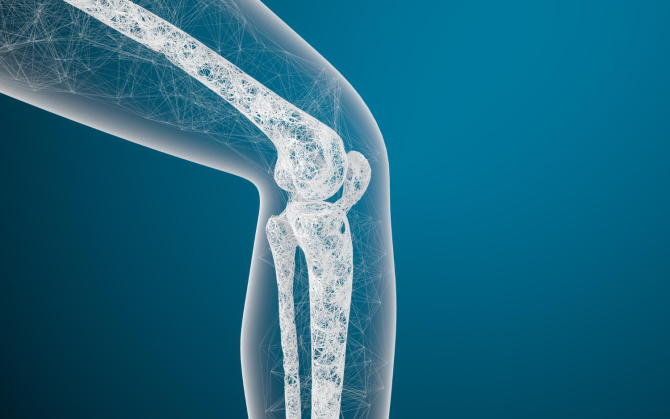
Bones are the body’s structural framework, supporting everything we do, from walking to breathing. To keep them healthy and strong, it is not enough to consume foods rich in calcium or vitamin D. It is essential to also avoid certain foods that insidiously affect bone density, interfering with the absorption of vital nutrients or stimulating calcium loss through urine.
How Does Diet Affect Bone Health?
Osteoporosis and other degenerative bone diseases do not develop overnight. They progress over time, often fueled by an unbalanced diet. Our bones undergo a constant process of renewal, and frequent consumption of certain foods can disrupt this process, leading to fragility.
Foods to Avoid for Bone Health
1. Carbonated Beverages (especially cola)
These contain phosphoric acid, which can interfere with calcium absorption and lead to decreased bone density.
A study published in American Journal of Clinical Nutrition found that women who regularly consumed cola beverages had lower bone mineral density than those who did not.
2. Excess Salt
High sodium levels promote calcium loss through urine.
According to the National Osteoporosis Foundation, an increase of 2.3 grams of sodium in the diet can lead to a loss of 40 mg of calcium from the body.
3. Refined Sugar and Processed Sweets
They reduce the body’s ability to absorb calcium and magnesium. Additionally, they stimulate chronic inflammation, indirectly affecting the skeletal system.
A study in the Journal of Bone and Mineral Research showed a correlation between high-sugar diets and an increased risk of fractures.
4. Excess Coffee
Caffeine, in large amounts (over 3 cups/day), can contribute to calcium loss.
Swedish researchers found that women who consumed more than 330 mg of caffeine daily had slightly lower bone density compared to those who consumed less.
5. Alcohol
It interferes with vitamin D metabolism and reduces the body’s ability to form new bone tissue.
The National Institute on Alcohol Abuse and Alcoholism points out that regular alcohol consumption directly affects osteoblasts, the cells that form bone.
6. Excess Red Meat
Diets high in animal protein can increase the acidity of the body, promoting calcium loss to neutralize it.
Studies show that a balanced diet between animal and plant proteins is much friendlier to the skeletal system.
7. Margarine and Trans Fat Foods
Trans fatty acids interfere with the synthesis of vitamin K, essential for bone health.
According to the Harvard School of Public Health, these fats increase inflammation and have negative effects on bone metabolism.
Contraindications and Warnings
-
Individuals diagnosed with osteoporosis should also limit their intake of acidic foods (such as excessive citrus or oranges) unless balanced with mineral-rich green vegetables.
-
Those undergoing corticosteroid treatments should be even more cautious with their diet, as these medications increase the risk of bone demineralization.
-
Avoid extreme diets (such as those very low in fats or carbohydrates), which can deprive the body of the fat-soluble vitamins necessary for bone formation (D, K, A).
Tips for Strong Bones
-
Consume foods rich in calcium (broccoli, sardines, almonds) and vitamin D (fatty fish, eggs, mushrooms).
-
Incorporate fermented foods (yogurt, kefir) into your diet, which help with mineral absorption.
-
Avoid a sedentary lifestyle; daily movement stimulates bone density.
-
Periodically monitor vitamin D and magnesium levels in your blood, especially after age 40.
Maintaining bone health means not only adding good foods but also eliminating those products that work against the mineral balance in the body. Small dietary changes can have a huge long-term impact on bone strength, mobility, and quality of life.
Sources:
-
American Journal of Clinical Nutrition: Cola consumption and bone mineral density
-
Journal of Bone and Mineral Research: Sugar consumption and risk of fracture
-
National Osteoporosis Foundation: Sodium and bone health
-
Harvard T.H. Chan School of Public Health: Trans fats and health risks
-
NIH: Alcohol and osteoporosis
-
Swedish Medical Study: Caffeine intake and bone density




