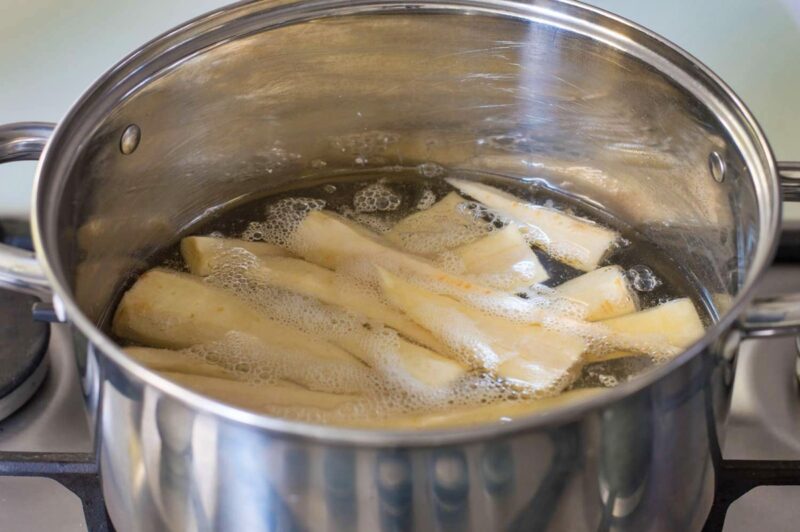
The parsnip and parsley decoction is a popular remedy, passed down from generation to generation, primarily used for blood purification, liver detoxification, and supporting kidney function. Although it seems like a simple combination, this recipe has a solid scientific basis: the active compounds in parsley and parsnip work synergistically to aid in toxin elimination, reduce inflammation, and protect blood vessels.
Ingredients and Recipe
1 root of parsnip (cleaned and sliced)
1 large root of parsley (or a handful of fresh leaves)
500 ml water
Preparation Method:
-
Place the sliced roots in cold water and bring to a boil.
-
Simmer on low heat for 10-12 minutes.
-
Let the pot sit covered for 10 minutes.
-
Strain and consume warm, in the morning, on an empty stomach.
Follow the treatment for 7-10 days, preferably with freshly prepared decoction each day.
Detailed Benefits and Scientific Evidence
1. Blood Purification and Kidney Function Stimulation
A study published in the Journal of Ethnopharmacology (2022) evaluated the effects of aqueous parsley extract on the kidneys in laboratory rats. After 14 days of daily administration, a significant increase in urine volume was observed, along with a reduction in blood urea, creatinine, and uric acid levels. This indicates a clear diuretic and purifying effect, supporting the elimination of residual substances from the body.
Parsley stimulates the kidneys and helps eliminate toxins through urine, contributing to blood purification.
2. Reduction of Inflammation and Oxidative Stress
Researchers from the University of Zagreb (2021), in a study published in Food Chemistry, demonstrated that parsnip root extracts have marked antioxidant effects, due to their high content of polyphenols and flavonoids, particularly kaempferol and quercetin. These substances protect cells from oxidative stress and reduce systemic inflammation, an important factor in blood purification and the prevention of chronic diseases.
Parsnip helps neutralize free radicals and decreases inflammation, supporting cleaner blood at the cellular level.
3. Cardiovascular Protection and Blood Pressure Balance
An article in Frontiers in Pharmacology (2021) detailed the role of flavonoids and volatile oils from parsley, especially apiol and myristicin, in regulating blood pressure and improving blood flow. Animal studies have shown hypotensive and vasodilatory effects, useful in preventing cardiovascular conditions associated with thick or toxin-laden blood.
Conclusion: The decoction helps thin the blood, supports optimal blood pressure, and protects blood vessels.
4. Hepatic Support in Detoxification
Parsnip contains bioactive compounds (including falcarinol, a polyacetylene with hepatoprotective properties), which a study published in Molecules (2020) showed modulates the activity of detoxifying enzymes in the liver. This effect contributes to the metabolism and elimination of toxic substances from the blood.
The decoction helps the liver filter blood more efficiently, due to the compounds in parsnip.
Contraindications
Pregnancy – parsley (in large amounts) may stimulate uterine muscle.
Low Blood Pressure – the diuretic effect may further lower blood pressure.
Allergy to Apiaceae (carrots, celery, fennel, parsley, parsnip) – possible reactions.
Severe Kidney Conditions – medical consultation is necessary, especially if there are fluid restrictions.
Drug Interactions – especially with diuretics, anticoagulants, or antihypertensives.
Scientific Sources:
-
Diuretic activity of parsley in rats Journal of Ethnopharmacology, 2022
-
Pharmacological Activities of Petroselinum crispum Frontiers in Pharmacology, 2021
-
Bioactive Compounds in Pastinaca sativa: A Review of Health Benefits Molecules, 2020
-
Antioxidant and anti-inflammatory potential of parsnip root extracts Food Chemistry, 2021
-
Falcarinol-type polyacetylenes: Hepatoprotective and anti-inflammatory agents from vegetables Molecular Nutrition & Food Research, 2019




