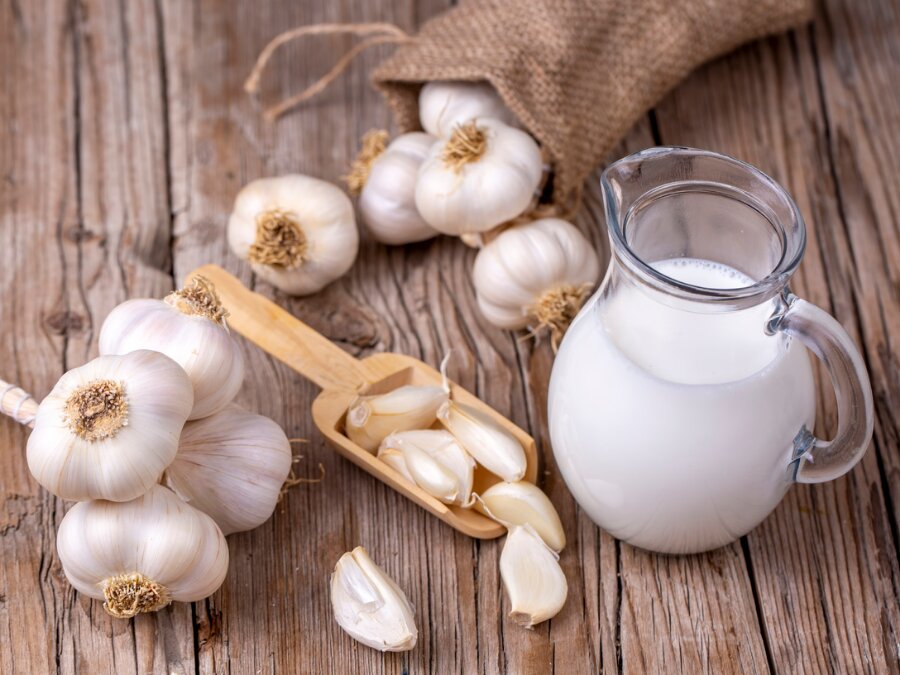
Boiled garlic in milk is a traditional remedy known in folk medicine across Europe and Asia, primarily used to support respiratory health. In recent years, the active compounds in garlic have been analyzed in multiple studies, and the benefits of this combination have begun to receive scientific justification. This article details the composition, mode of action, available studies, correct recipe, and contraindications of this remedy.
Active Components
Garlic (Allium sativum):
Contains organosulfur compounds with documented action:
-
Allicin with antibacterial, antifungal, and antiviral effects
-
S-allylcysteine antioxidant
-
Diallyl disulfide with potential anti-inflammatory properties
Milk:
-
Contains lipids and proteins that can modulate the absorption of active compounds.
-
Has emollient and soothing effects on respiratory mucous membranes.
Scientifically Supported Benefits
1. Antimicrobial Activity Against Respiratory Bacteria
Allicin released upon crushing garlic has antimicrobial effects against certain bacteria commonly involved in lung infections (e.g., Streptococcus pneumoniae, Haemophilus influenzae).
Study published in the Journal of Antimicrobial Chemotherapy (2005): Allicin showed efficacy comparable to antibiotics against resistant strains of Staphylococcus aureus.
2. Expectorant Effect and Bronchial Secretion Thinning
Garlic stimulates bronchial secretion and helps eliminate excess mucus, especially in lower respiratory infections.
The study “Herbal medicine in the treatment of respiratory tract infections” (Phytotherapy Research, 2016) mentions the expectorant effect of garlic in traditional combinations.
3. Modulation of Immune Response
Sulfur compounds in garlic stimulate macrophages and T lymphocytes, increasing the body’s resistance to respiratory viruses.
The journal Nutrition Reviews (2001): supplementation with garlic extract significantly reduced the frequency of common colds.
4. Reduction of Inflammation in the Lungs
Anti-inflammatory effects have been observed in experimental models due to the inhibition of prostaglandins and inflammatory mediators.
Standardized Recipe for Boiled Garlic in Milk
Ingredients:
-
250 ml whole milk (can also be plant-based, but efficacy may vary)
-
3-4 cloves of garlic (crushed before boiling)
-
(optional) 1 tablespoon of honey (only after cooling below 40°C)
Preparation Method:
-
Boil the milk with garlic for 10 minutes over low heat.
-
Strain the liquid.
-
Consume while warm, preferably in the evening.
Recommended Dosage:
1 cup/day for 7-10 days, in short courses. Can be repeated in the cold season, if needed.
Contraindications and Precautions
| Condition | Explanation |
|---|---|
| Gastric ulcer, acute gastritis | Garlic is irritating to the gastric mucosa. |
| Children under 2 years | Possible risk of irritation or digestive intolerance. |
| Allergy to garlic or lactose | Possible adverse reactions. |
| Treatment with anticoagulants (e.g., warfarin) | Garlic may potentiate the effect of these medications. |
| Pregnancy and breastfeeding | Precaution is recommended; consult a healthcare professional. |
Sources:
-
Journal of Antimicrobial Chemotherapy Allicin from garlic is a powerful natural antibiotic
-
Phytotherapy Research Herbal medicine in the treatment of respiratory tract infections
-
Nutrition Reviews Effect of garlic on the common cold
-
NCBI PubMed Garlic and its potential in respiratory infections




