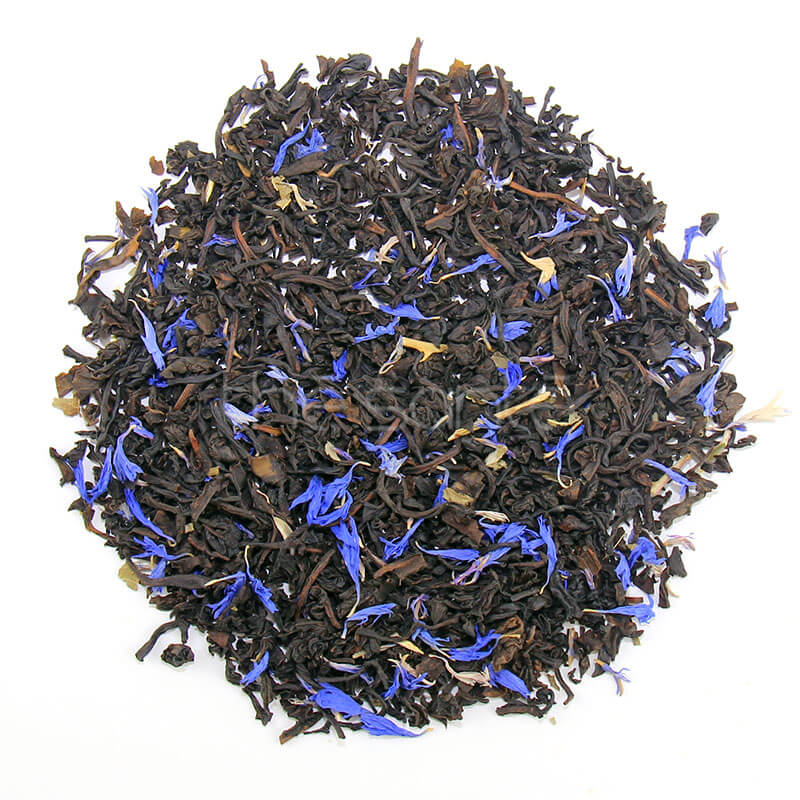
In an era where diabetes affects millions of people globally, nature offers us amazing, sometimes forgotten solutions. Bilberry leaves (Vaccinium myrtillus), often overshadowed by their fruits, hide remarkable therapeutic potential. Among their most valuable properties is the documented effect on blood sugar regulation in multiple scientific studies. This infusion thus becomes a remedy to consider in the regimen of individuals with diabetes or prediabetes, as well as in detoxification or pancreatic support protocols.
Benefits of Bilberry Leaf Infusion: How It Works
Blood Sugar Regulation
Bilberry leaves contain myrtillin, a compound from the anthocyanin family, with hypoglycemic effects comparable in some studies to those of insulin. This active principle helps lower blood sugar by stimulating insulin secretion and increasing cell sensitivity to it. The phytochemicals present also contribute to reducing glucose absorption at the intestinal level.
Pancreatic Support
Extracts from bilberry leaves may stimulate partial regeneration of beta-pancreatic cells, responsible for insulin secretion. This effect has been observed in animal experiments and is expected to be confirmed in larger human studies.
Reduction of Oxidative Stress and Inflammation
The powerful antioxidants in bilberry leaves, especially flavonoids, combat free radicals and protect blood vessels, which are often affected in diabetes. Additionally, they reduce systemic inflammation associated with insulin resistance.
Mild Diuretic and Detoxifying Effects
The infusion supports the elimination of toxins and cleanses the blood, which can have a beneficial indirect impact on carbohydrate metabolism and liver function.
Authentic Recipe for Bilberry Leaf Infusion
Ingredients:
-
1 tablespoon of dried bilberry leaves (preferably from clean crops, pesticide-free)
-
250 ml boiling water
Preparation Method:
-
Pour boiling water over the bilberry leaves.
-
Cover and let steep for 10-12 minutes.
-
Strain and drink warm.
Dosage:
-
It is recommended to take 2-3 cups per day, before main meals, in courses of 3-4 weeks, followed by breaks of 1-2 weeks.
-
For sustained effects, it can be combined with other plants that have hypoglycemic effects, such as mulberry leaves, bean pods, or cinnamon (only with medical approval).
Contraindications and Precautions
-
Pregnant or breastfeeding women should not consume the infusion without medical advice.
-
It may interact with antidiabetic medication, amplifying the hypoglycemic effect. Close monitoring of blood sugar and medical consultation is recommended.
-
Contraindicated in hypoglycemia.
-
Long-term use without breaks is not recommended, as it may overstrain pancreatic function.
What Do Studies Say?
Journal of Ethnopharmacology (2006) highlighted that extracts from bilberry leaves lower blood sugar in diabetic mice, having an effect comparable to that of insulin in early forms of the disease.
Fitoterapia (2020) The study “Bilberry leaves as a potential natural treatment for Type 2 Diabetes” showed that bilberry leaves significantly reduce postprandial blood sugar in human subjects, with good tolerance and no major side effects.
Phytomedicine (2015) Bilberry leaves contain anthocyanins, phenolic acids, and flavonoids that have a synergistic action in lowering blood sugar, protecting small vessels, and reducing inflammation in type 2 diabetes.
Sources:
-
Journal of Ethnopharmacology Hypoglycemic effects of Vaccinium myrtillus leaves extract
-
Fitoterapia Bilberry leaves as a potential natural treatment for Type 2 Diabetes
-
Phytomedicine Anthocyanins and glycemic control: a review of mechanisms and clinical evidence




