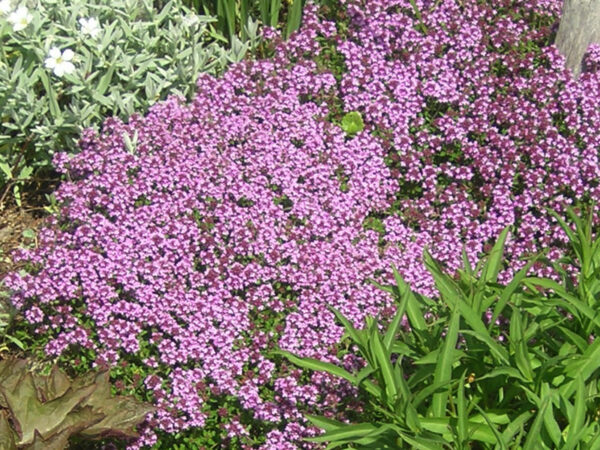
Wild thyme (Thymus serpyllum), known as the wild brother of thyme, is a perennial aromatic plant with an intense smell and a slightly spicy taste. Beyond its culinary use, this small and resilient plant has remarkable therapeutic properties, especially for the respiratory system, being considered one of the most valuable plants for cleansing and strengthening the lungs.
How it Affects the Lungs
Wild thyme contains active compounds with a strong expectorant, anti-inflammatory, and antimicrobial effect. Among these are:
-
Thymol and carvacrol are essential oils with antiseptic and antiviral action;
-
Flavonoids (luteolin, apigenin) with anti-inflammatory and antioxidant roles;
-
Tannins help reduce excessive secretions;
-
Saponins stimulate the elimination of mucus from the respiratory tract.
Effects on the Respiratory System:
It liquefies mucus and helps eliminate it through coughing;
Calms inflamed bronchi in cases of acute or chronic bronchitis;
Aids in lung infections (including mild pneumonia), reducing bacterial and viral load;
Relaxes respiratory spasms, including in bronchial asthma;
Supports the regeneration of irritated respiratory mucosa.
Recipe: Thyme Tea for Lungs
Ingredients:
-
1 tablespoon of dried wild thyme (aerial parts, harvested during the flowering period)
-
250 ml boiling water
Preparation Method:
-
Add the plant to a cup of boiling water;
-
Cover the vessel and let it steep for 10-12 minutes;
-
Strain and drink warm, 2-3 times a day, unsweetened or with a little honey (if there are no contraindications).
Variations:
-
For more serious conditions: you can add lime flowers and plantain leaves for a synergistic effect.
-
Inhalations with concentrated infusion (3 tablespoons of plant/500 ml water) can be useful in cases of pulmonary congestion or dry cough.
What Studies Say
-
Journal of Ethnopharmacology (2011): Thymol and carvacrol from Thymus serpyllum have been shown to be effective in inhibiting the growth of bacteria involved in respiratory infections (Streptococcus pneumoniae, Haemophilus influenzae).
-
Iranian Journal of Basic Medical Sciences (2016): Thymus extracts reduced pulmonary inflammation in experimental models, demonstrating significant bronchodilator effects.
-
Planta Medica (2004): The antispasmodic effect of thyme extracts was highlighted, useful in irritating cough and asthma attacks.
Contraindications and Precautions
Not recommended:
-
during pregnancy and breastfeeding, due to essential oils that may stimulate uterine contractions;
-
For individuals with hyperthyroidism (thymol may stimulate metabolism);
-
in cases of gastric ulcer or severe gastritis (may irritate the stomach lining);
-
In children under 2 years only on medical advice and in diluted forms.
Attention:
-
The essential oil of thyme should NOT be administered internally without medical supervision as it is highly concentrated and can severely irritate the respiratory or digestive systems.
Recommendations for Use
A course of thyme tea can last between 7 and 14 days, depending on the severity of the condition.
To support the lungs after viral or bacterial infections, it can be combined with sea buckthorn oil, propolis, or black radish syrup.
It is recommended to ventilate rooms, avoid passive smoking, and stay well-hydrated alongside natural treatment.




