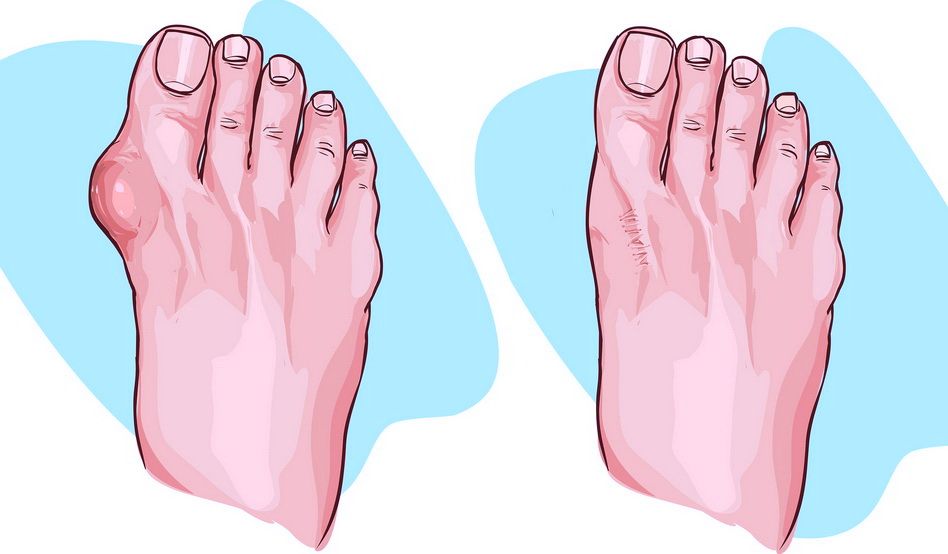
Bunion (hallux valgus) is a common deformity of the joint at the base of the big toe, causing pain, inflammation, and discomfort while walking. Although they may seem like an aesthetic issue, bunions can significantly affect the quality of life, especially in advanced stages.
What are bunions?
Bunions are bony protrusions formed by the displacement of the big toe inward, towards the other toes. As a result, the joint at the base of the big toe protrudes outward, becoming prominent, painful, and inflamed.
Possible causes:
-
Heredity: Genetic predisposition plays an important role.
-
Inadequate footwear: Tight shoes, high heels, or pointed toes.
-
Biomechanical anomalies: Flat feet or joint hypermobility.
-
Rheumatological conditions: Rheumatoid arthritis or gout.
-
Hormonal imbalances: More common in women after menopause.
Symptoms:
-
Painful swelling at the base of the big toe
-
Redness and inflammation
-
Calluses or corns
-
Difficulties in walking
-
Deformation of the toes in severe cases
Complications:
-
Permanent deformity of the foot
-
Chronic pain and difficulty wearing shoes
-
Bursitis (inflammation of the bursa)
-
Arthritis in the affected joint
Natural and alternative treatments
Bunions do not completely disappear without surgical intervention, but there are natural and conservative methods that can reduce inflammation, slow progression, and alleviate pain:
1. Cabbage leaf compresses
Crushed raw leaves are applied to the bunion and secured with gauze overnight. Cabbage has natural anti-inflammatory properties.
2. Bitter salt bath (magnesium sulfate)
2 tablespoons of Epsom salt in a basin of warm water. Soak feet for 15-20 minutes daily. Helps relax the joints and reduce pain.
3. Massage with castor oil or peppermint oil
Massage the bunion twice a day with warm oil. Castor oil has anti-inflammatory effects, while peppermint oil provides a cooling and soothing sensation.
4. Green clay poultice
Mix clay with water to form a paste and apply it in the evening on the bunion, leaving it to act for 1-2 hours or overnight.
5. Horsetail or wild chestnut tincture
Both have anti-inflammatory effects and can be applied locally or taken internally (only under the supervision of a specialist).
Medical treatments
-
Orthotics and toe separators: Temporarily realign the big toe, reducing pressure.
-
Physical therapy: Exercises to strengthen the foot muscles.
-
Corticosteroid injections: Reduce inflammation, but only temporarily.
-
Surgery (bunionectomy): The only method that definitively corrects the deformity, recommended in severe cases.
Contraindications and precautions:
-
Avoid self-medication with anti-inflammatories in excess.
-
Do not apply natural treatments on inflamed bunions or those with lesions.
-
Essential oils should not be used directly on the skin without dilution.
-
People with diabetes or circulatory problems should consult a doctor before any external treatment.
-
Do not wear tight shoes, even if they help with the aesthetics of the foot.
Bunions are more than just an aesthetic problem; they can affect walking and quality of life. Although they do not disappear without surgical intervention, many people can manage symptoms through natural methods, lifestyle changes, and conservative treatments. A personalized and careful approach is essential for each individual case.
Sources:
-
Mayo Clinic Bunions (Hallux Valgus)
-
National Institute of Arthritis What Are Bunions?
-
Healthline Home Remedies for Bunions
-
WebMD How to Treat Bunions Without Surgery




