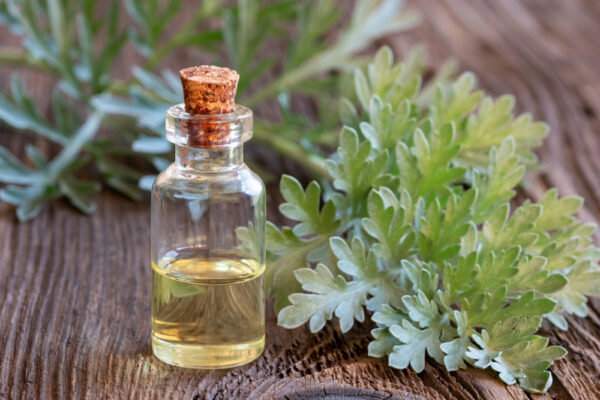
Wormwood oil (Artemisia absinthium) is a plant treasure with a long history in European folk medicine, renowned for its tonic, antiparasitic, and stimulating properties. With a strong bitter aroma and intense aromatic notes, this oil is primarily used externally to combat various skin issues, circulation problems, and deep tissue conditions.
Today, we return to this valuable plant from nature’s pharmacy to explore the external uses of wormwood oil, focusing on its effects on skin parasites and peripheral circulation.
How to Obtain Wormwood Oil
Wormwood oil can be obtained either by macerating the dried leaves and flowers of wormwood in vegetable oil (such as olive or sweet almond oil) or by steam distillation, a process that extracts the essential oil.
Infused wormwood oil is milder, suitable for frequent applications.
Essential wormwood oil is much more concentrated and must be diluted before application (1-2 drops in 10 ml of carrier oil).
Benefits and External Actions
1. Antiparasitic Effect on Skin
Wormwood oil is used externally to combat:
-
Scabies due to volatile compounds with insecticidal effects.
-
Lice and other skin parasites applied locally on the scalp (with appropriate dilution) can reduce the population of parasites.
-
Fungi and skin mycoses with antifungal effects observed in vitro studies.
Usage method: apply locally, diluted in coconut or almond oil, twice a day for 7-10 days. It can be combined with tea tree essential oil for a synergistic effect.
2. Stimulates Peripheral Circulation
Wormwood oil warms the applied area and causes a slight hyperemia (increased local blood flow), making it effective for:
-
Cold feet and peripheral numbness
-
Anti-cellulite massage or lymphatic drainage
-
Joint stiffness, superficial rheumatic pain
Usage method: 5 drops of essential wormwood oil diluted in 20 ml of arnica oil or sesame oil, applied through vigorous massage, 1-2 times a day.
3. Antimicrobial and Anti-inflammatory Effect
Several studies have shown that Artemisia absinthium contains compounds such as thujone, camphor, and cadinol, which have antibacterial and anti-inflammatory activity externally. This makes it effective for:
-
Infested eczema
-
Superficial wounds (under medical supervision)
-
Irritated skin or affected by insect bites
Studies and Research
-
Chemical composition and antimicrobial activity of essential oil of Artemisia absinthium L. Journal of Essential Oil Research
The study showed significant efficacy against Staphylococcus aureus and Escherichia coli bacteria. -
Topical anti-inflammatory activity of Artemisia absinthium extracts Phytotherapy Research
The extract of wormwood and its essential oils reduced local inflammation in animal models of dermatitis. -
Antifungal effects of Artemisia absinthium essential oil on Candida species Mycoses Journal
Demonstrates the antifungal potential of the oil against certain species of Candida, applied externally.
Contraindications and Precautions
-
Essential wormwood oil should NEVER be applied undiluted, due to the content of thujone, a neurotoxic substance in large quantities.
-
Avoid application on open wounds, mucous membranes, and eyes.
-
Contraindicated for children under 6 years, pregnant women, epileptic individuals, or those with neurological conditions.
-
Test on a small area of skin before use (skin tolerance test).
Recipe for Homemade Wormwood Oil
Ingredients:
-
50 g dried wormwood
-
250 ml cold-pressed oil (olive, sweet almond, or grape seed oil)
Preparation method:
-
Place the dried plant in a glass jar.
-
Pour the oil over it and seal tightly.
-
Let it macerate for 14 days in a warm, sunny place, shaking daily.
-
Strain and store in a dark-colored bottle.
Apply externally through massage or compresses.
Wormwood oil, applied externally, is a valuable ally in the fight against skin parasites, circulatory issues, and skin inflammations. Used with discernment and care, it can become an effective and natural remedy in body care, offering a worthy alternative to synthetic products.
Sources:
-
Journal of Essential Oil Research Chemical composition and antimicrobial activity of essential oil of Artemisia absinthium L.
-
Phytotherapy Research Topical anti-inflammatory activity of Artemisia absinthium extracts
-
Mycoses Antifungal effects of Artemisia absinthium essential oil on Candida species




