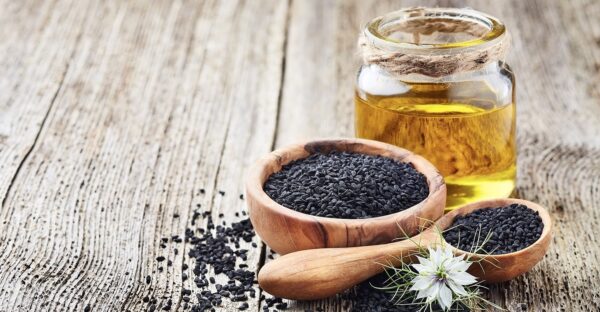
Black cumin oil, also known as the prophets’ oil, has been valued since ancient times for its healing effects. The Prophet Muhammad reportedly said about this plant: It cures everything except death. Today, science confirms many of these claims through rigorous studies.
Original Recipe for Making Black Cumin Oil at Home
Ingredients:
-
250 g black cumin seeds (Nigella sativa)
-
500 ml cold-pressed oil (olive oil, flaxseed oil, or organic sunflower oil)
-
Dark glass jar
Preparation Method:
-
Grind the black cumin seeds with a mortar, but not too finely (ideally, they should be crushed, not powdered).
-
Place them in a glass jar and pour the chosen oil over them.
-
Let it macerate for 10-14 days in a dark, warm place, shaking the jar daily.
-
After maceration, filter the oil through a cheesecloth or fine sieve.
-
Store the oil in a dark glass bottle, in a cool place, away from light.
Note: For a pure oil, cold pressing can be used with a special mechanical press, but the maceration method is suitable for home use.
Benefits of Black Cumin Oil: Explanations and Therapeutic Actions
1. Powerful Immunomodulator
The main active substance, thymoquinone, stimulates the production of T lymphocytes and natural killer cells, helping the body fight infections and autoimmune diseases more effectively.
2. Liver Detoxification and Protection
Recent studies show that black cumin oil reduces elevated liver enzyme levels and protects liver cells from the aggression of toxins, alcohol, and medications.
3. Supports Respiratory Health
It has bronchodilator and anti-inflammatory effects, being effective in cases of asthma, bronchitis, sinusitis, and respiratory allergies. It reduces secretions and soothes coughs.
4. Deep Cellular Antioxidant
Thymoquinone neutralizes free radicals and slows down cellular aging, reducing the risk of degenerative diseases, including cancer.
5. Regulates Blood Sugar and Supports the Pancreas
Taken daily in small amounts, it helps lower blood sugar levels and improves insulin sensitivity.
6. Skin and Hair Care
Applied locally, it reduces skin inflammation, acne, psoriasis, hair loss, and dandruff. It nourishes and regenerates the scalp and dry skin.
Dosage
-
Internally: 1 tablespoon in the morning on an empty stomach. It can be gradually increased to 2 tablespoons/day in 30-day courses.
-
Externally: Apply locally on the skin, hair, or scalp, 2-3 times a week.
-
For children over 3 years: ½ teaspoon in the morning, with pediatrician approval.
Contraindications and Precautions
-
Pregnancy and Breastfeeding: contraindicated without medical approval as it may stimulate uterine contractions.
-
Coagulation Disorders: may thin the blood, thus not recommended before surgical interventions.
-
Allergies: may cause reactions in sensitive individuals – local testing is recommended before external application.
-
Drug Interactions: may interact with antihypertensive or antidiabetic medications.
Studies and Scientific Sources
-
Immunomodulatory and Anti-inflammatory Effects of Nigella sativa and Thymoquinone: A Review, Journal of Ethnopharmacology, 2020
-
Hepatoprotective effect of thymoquinone in animal models, Medical Science Monitor, 2017
-
Nigella sativa oil as a treatment for mild and moderate asthma: A randomized, double-blind clinical trial, Phytotherapy Research, 2017
-
Effects of Nigella sativa oil on blood glucose and insulin levels: A systematic review and meta-analysis, Complementary Therapies in Medicine, 2019




