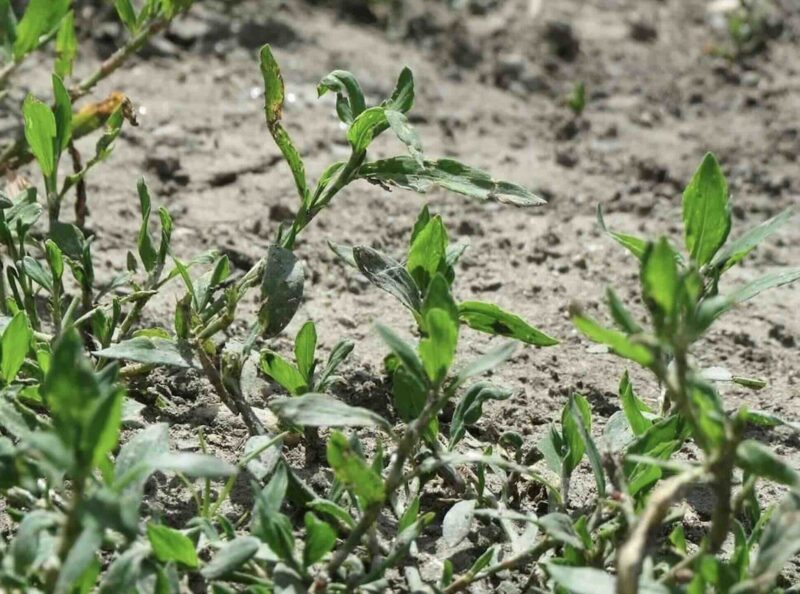
Humble, modest, and often overlooked, common knotgrass (Polygonum aviculare) hides a true therapeutic treasure in its leaves and stems. In natural medicine, this wild plant is recognized for its profound detoxifying action, especially on the kidneys and skin, two vital organs involved in toxin elimination. When consumed correctly, common knotgrass tea can become a valuable ally in maintaining the health of these systems.
Benefits for Kidneys and Skin: How Common Knotgrass Works
Effective Diuretic and Renal Protector
Common knotgrass tea supports kidney function by stimulating diuresis, promoting the elimination of excess water and salts through urine. Due to its rich content of flavonoids, tannins, and organic silica, it protects renal tissue from inflammation and overstrain. In cases of kidney stones or recurrent urinary infections, common knotgrass tea can reduce inflammation and discomfort.
Skin Healing from Within
The skin, as an excretory organ, often reflects the state of the kidneys. Common knotgrass indirectly contributes to skin healing by supporting urinary detoxification. Additionally, the silica in the plant promotes the regeneration of connective tissues, having visible effects on skin affected by eczema, acne, or chronic irritations.
Natural Antiseptic
Due to its content of gallic acid, rutin, and other natural antibacterial compounds, common knotgrass tea combats bacteria that can affect the urinary tract or skin. This effect makes it useful in cases of mild infections or as an adjunct in antibiotic therapies.
Studies and Research
A study published in Journal of Ethnopharmacology (2021) showed that extracts from Polygonum aviculare have significant diuretic activity, comparable to hydrochlorothiazide at moderate doses, but without disturbing the electrolyte balance.
In research conducted at the University of Tehran (2020), administration of common knotgrass extract to patients with recurrent urinary infections led to a reduction in the number of episodes over 3 months, compared to the control group.
Additionally, an in vitro study published in Pharmaceutical Biology confirmed the antimicrobial and antioxidant activity of plants from the Polygonum genus, with promising effects on inflamed or damaged skin.
Common Knotgrass Tea Recipe
Ingredients:
-
1 tablespoon of dried common knotgrass (flowering tops and leaves)
-
250 ml of water
Preparation Method:
-
Add the plant to boiling water.
-
Let it steep for 10-15 minutes, covered.
-
Strain and consume warm.
You can drink 2-3 cups a day, in courses of 2-3 weeks, with breaks in between.
External Use for Skin
A concentrated infusion can be prepared (2 tablespoons in 250 ml of water), which can be applied as compresses on affected skin (acne, dermatitis, eczema). Local baths or rinses with common knotgrass infusion can also be done.
Contraindications
Common knotgrass tea is not recommended:
-
During pregnancy and breastfeeding (insufficient studies regarding safety);
-
In cases of severe renal insufficiency or dialysis (may harm the kidneys);
-
For individuals with hypotension (the diuretic effect may exacerbate low blood pressure);
-
For those with sensitivity to plants in the Polygonaceae family.
Consult a herbalist before using for therapeutic purposes.
Sources:
-
Journal of Ethnopharmacology, Evaluation of diuretic and renal protective effects of Polygonum aviculare extract
-
Pharmaceutical Biology, Antioxidant and antimicrobial activities of Polygonum aviculare extracts
-
University of Tehran: Clinical study on recurrent urinary infections treated with common knotgrass extracts




