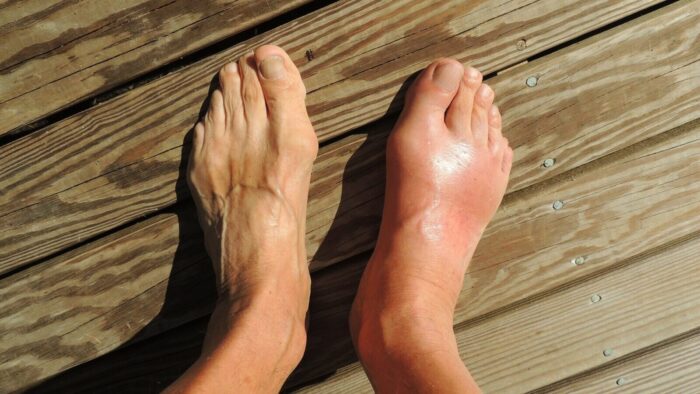
Uric acid is a substance produced in the body as a result of the breakdown of purines, compounds found in foods such as red meat, organ meats, fatty fish, and alcohol. When the level of uric acid becomes too high (hyperuricemia), it can crystallize and deposit in the joints, leading to painful conditions such as gout.
In folk and alternative medicine, raw, unpasteurized apple cider vinegar is considered an effective natural remedy to reduce uric acid levels due to its alkalizing, anti-inflammatory, and detoxifying properties. Here’s how it works and how to use it safely.
How Apple Cider Vinegar Affects Uric Acid
1. Helps Alkalize the Body
Although it has an acidic pH in its pure form, apple cider vinegar becomes alkalizing after digestion, contributing to the balance of blood pH and reducing uric acid crystals in the joints.
2. Stimulates Kidney Function and Toxin Elimination
The vinegar has a mild diuretic effect, supporting renal filtration and the elimination of excess uric acid through urine. This helps detoxify the blood and prevents painful accumulations.
3. Has Anti-Inflammatory and Antioxidant Effects
It contains acetic acid, enzymes, and antioxidants that can reduce inflammation in the joints, especially in cases of gout, arthritis, or pain related to uric acid accumulation.
4. May Slightly Lower Blood Sugar Levels
Hyperuricemia is often associated with insulin resistance. Apple cider vinegar may help regulate blood sugar levels, which indirectly contributes to balancing uric acid levels.
Correct Usage
Recommendation: use only raw, organic apple cider vinegar with the mother (active fermentation).
Simple Recipe:
- 12 tablespoons (510 ml) of apple cider vinegar
- In a glass with 200 ml of warm water
- Drink 1-2 times a day, preferably in the morning on an empty stomach and/or before dinner
Duration of the Cure:
- Cures of 2-3 weeks, followed by a break of 7-10 days
- Can be resumed based on the body’s needs and medical recommendations
Optional:
- 1 tablespoon of honey can be added for taste and additional anti-inflammatory effect
What Do Scientific Studies Say?
- Journal of Functional Foods (2016): Showed that apple cider vinegar contributes to lowering glucose and triglyceride levels, factors often associated with hyperuricemia.
- Evidence-Based Complementary and Alternative Medicine (2021): A study on subjects with hyperuricemia demonstrated that acetic acid has potential in lowering uric acid levels and improving kidney function.
- Molecules (2020): Antioxidants and bioactive compounds in apple cider vinegar have been identified as supporters of natural liver and kidney detoxification processes.
Contraindications and Precautions
- Do not administer undiluted – it can irritate the oral, esophageal, and gastric mucosa.
- Contraindicated in cases of:
- gastric ulcer or severe gastritis
- hypotension (the vinegar can lower blood pressure)
- severe renal insufficiency – only with medical advice
- May interact with:
- diuretics
- antidiabetic medications
- blood pressure medications
Individuals with chronic gout or metabolic disorders should consult a doctor before starting a treatment regimen.
Other Complementary Recommendations
For a real effect on uric acid, combine the use of vinegar with:
- proper hydration – 2-2.5 L of water/day
- low-purine diet (avoid red meat, beer, organ meats, seafood)
- consumption of fresh fruits (cherries, berries, citrus)
- reducing sugar and fructose syrup intake
Apple cider vinegar is a natural ally in reducing uric acid levels, through its alkalizing, detoxifying, and anti-inflammatory effects. Used in moderation, in short courses tailored to each individual, it can bring real benefits in preventing and alleviating gout symptoms. However, it does not replace medical treatment but complements it intelligently.
Sources:
- Journal of Functional Foods – Effects of Apple Cider Vinegar on Lipid Profile and Glycemic Control
- Evidence-Based Complementary and Alternative Medicine – Acetic Acid in the Management of Hyperuricemia in Experimental Models
- Molecules – Antioxidant and Detoxifying Properties of Apple Cider Vinegar Compounds




