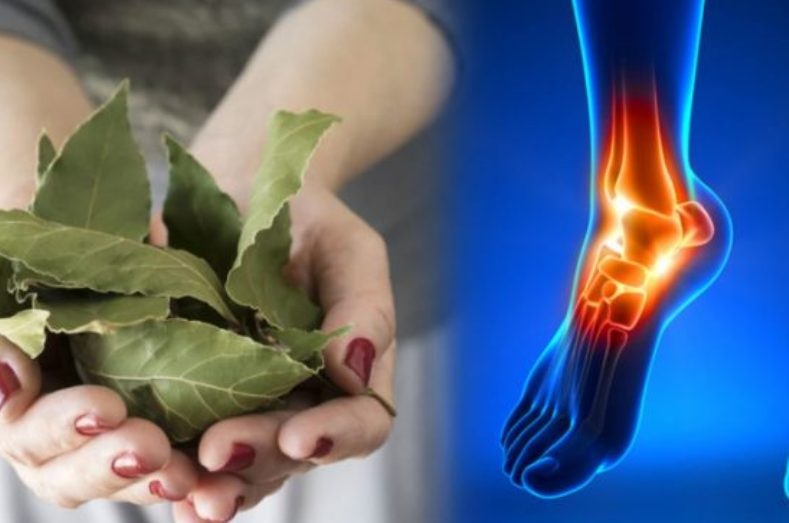
Used for centuries in cooking and traditional medicine, bay leaves (Laurus nobilis) are known not only for their intense aroma but also for their therapeutic properties on the skin and circulation. Few know that a simple infusion of bay leaves can bring relief to tired, inflamed feet or those affected by dermatological issues. This natural remedy, accessible and pleasant to the senses, can become a beneficial ritual, especially in warm seasons or for those who spend long hours on their feet.
Benefits of Bay Leaves for Feet
1. Fights Fungal Infections (Athlete’s Foot)
Bay leaves contain powerful antifungal and antibacterial compounds, such as eugenol, cineole, and linalool, which inhibit the development of fungi and bacteria that cause mycoses, blisters, or sores between the toes.
2. Soothes Irritated Skin and Cracked Heels
Due to their anti-inflammatory and emollient properties, a bay leaf bath reduces irritations, sores, and discomfort in dry or cracked heels. Tannins help restore the skin.
3. Reduces Unpleasant Foot Odor
Bay leaves act as a natural deodorant, neutralizing the bacteria responsible for unpleasant odors. They also provide a lasting fresh and fragrant sensation.
4. Stimulates Peripheral Circulation
A warm bay leaf infusion has a tonic effect on peripheral circulation, helping to reduce the feeling of heavy, swollen feet and fluid retention, especially after a long day on your feet.
5. Relaxation and Muscle Tension Relief
A warm bay leaf bath contributes to the relaxation of muscles, joints, and nerve endings in the feet, providing a deep sense of relaxation.
Recipe: Bay Leaf Foot Bath
Ingredients:
- 8-10 dried bay leaves
- 1 liter of water
- (Optional) 1 tablespoon of baking soda or sea salt
Preparation Method:
- Boil the water and add the bay leaves.
- Cover and let steep for 10-15 minutes.
- Strain and pour the infusion into a basin with warm water (approximately 3-4 liters).
- Place your feet in the bath for 15-20 minutes.
How to Use Correctly
- It is recommended to use the bay leaf bath 2-3 times a week.
- For antifungal effects, you can dab the skin with a concentrated infusion (using sterile gauze).
- After the bath, dry your feet well and apply a natural moisturizing cream (or coconut/calendula oil).
Studies and Scientific Evidence
- Journal of Essential Oil Research (2015): The essential oil from Laurus nobilis demonstrated effective antifungal activity against Candida albicans and Trichophyton (fungi responsible for athlete’s foot).
- Iranian Journal of Pharmaceutical Research (2018): Confirmed the antimicrobial and anti-inflammatory activity of bay leaf extract, including in topical applications.
- Fitoterapia (2020): Mentioned the benefits of infusions of aromatic plants (including bay leaves) in skin care and as an adjunct in the therapy of fungal skin diseases.
Contraindications and Precautions
- Avoid use if you have open wounds or severely inflamed skin.
- Not recommended for individuals with allergies to Lauraceae (the family to which bay leaves belong).
- In some individuals with sensitive skin, mild irritation may occur; testing is recommended before the first application.
Bay leaves are not just a flavoring ingredient but also an excellent natural remedy for foot health. Through their antifungal, anti-inflammatory, and revitalizing actions, they can be successfully used in foot baths that soothe, cleanse, and regenerate the skin. A simple, inexpensive, and effective solution that brings relief naturally right from your kitchen.
Sources:
- Journal of Essential Oil Research Antifungal Properties of Laurus nobilis Essential Oil
- Iranian Journal of Pharmaceutical Research Biological Effects of Laurus nobilis Leaf Extracts
- Fitoterapia Medicinal and Aromatic Plants in Dermatological Therapies: A Review




