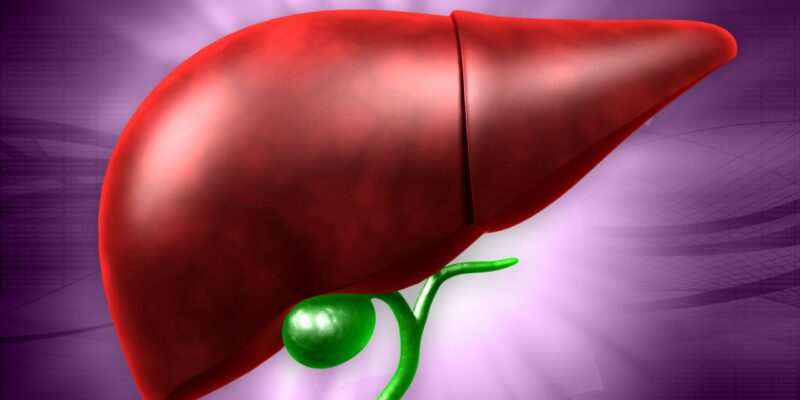
What is Lazy Gallbladder?
Lazy gallbladder (Biliary Dyskinesia) is a disorder in which the gallbladder does not release enough bile, leading to sluggish digestion, bloating, a bitter taste in the mouth, nausea, or pain under the ribs.
Medicinal plants that are choleretic (stimulate bile secretion) and cholagogue (promote bile elimination) can restore the normal function of the gallbladder.
Key Clinically Tested Plants
1. Artichoke (Cynara scolymus)
Artichoke is one of the most studied plants for treating biliary disorders. Its leaves contain an active compound called cynarin, known for its choleretic effects (stimulating bile production) and cholagogue properties (promoting bile elimination in the duodenum).
Mechanism of action:
Cynarin acts on liver cells, stimulating bile production and helping to efficiently empty the gallbladder. Additionally, it has a hepatoprotective effect and reduces cholesterol levels by increasing bile excretion.
Clinical study:
A study published in Phytomedicine (2013) showed that artichoke leaf extract alleviates symptoms of functional dyspepsia and hyposecretion of bile, contributing to easier digestion and reduced bloating.
2. St. John’s Wort (Hypericum perforatum)
Known primarily for its effects on the nervous system, St. John’s Wort also has valuable properties for the liver and gallbladder. It contains hypericin and flavonoids that support liver function and combat inflammation at the biliary level.
Mechanism of action:
St. John’s Wort regulates bile flow and is effective in cases where bile secretion is unbalanced or slowed. It also has anti-inflammatory effects, useful in cases of cholangitis or hepatic congestion.
Clinical study:
According to the journal Fitoterapia (2015), administration of St. John’s Wort extract significantly increased bile secretion and reduced symptoms of abdominal discomfort in patients with functional biliary disorders.
3. Centaury (Centaurium erythraea)
Centaury is an extremely valuable bitter herb for activating digestion and stimulating the liver. It contains compounds such as gentianine, a bitter substance with proven choleretic effects.
Mechanism of action:
Through its intensely bitter taste, centaury stimulates taste buds and, through nerve reflexes, activates the entire digestive tract: increased saliva, gastric secretion, and bile secretion. This leads to more complete digestion and better absorption of fats.
Clinical study:
An article published in Journal of Ethnopharmacology (2020) showed that centaury is effective in both traditional and modern treatments for dyspepsia and biliary disorders, having clear effects in increasing bile secretion.
4. Dandelion Root (Taraxacum officinale)
Dandelion is an exceptional liver tonic, used to stimulate the liver and eliminate bile. Its root is rich in taraxacin, inulin, and bitter compounds that support detoxification.
Mechanism of action:
Dandelion root stimulates liver functions and causes efficient contraction of the gallbladder, promoting the elimination of accumulated bile. It is particularly effective in cases of hepatic congestion and lazy gallbladder, as well as in supporting general detoxification.
Clinical study:
In Journal of Pharmacy and Pharmacology (2012), researchers demonstrated that dandelion root extract significantly increased bile flow and has a visible hepatoprotective effect, being useful even in liver detoxification regimens.
Combined Tea Recipe for Lazy Gallbladder (Clinically Tested)
Ingredients:
- 2 tablespoons artichoke leaves
- 1 tablespoon dandelion root
- 1 tablespoon St. John’s Wort
- 1 tablespoon centaury
Preparation:
- Mix the dried plants.
- Add 2 tablespoons of the mixture to 500 ml of boiling water.
- Steep for 10-15 minutes, then strain.
Administration:
Drink 1 cup, twice a day, 20 minutes before meals, for 2-3 weeks.
Other Effective Recipes
Choleretic Tincture
- 50 g artichoke + 30 g centaury + 30 g dandelion
- Macreate in 500 ml of 40% alcohol for 10 days
- Strain and store in a dark glass bottle
Dosage: 20-30 drops in a little water, 3 times a day before meals
Liver-Biliary Detoxifying Powder
- Grind the plants: centaury, St. John’s Wort, dandelion root
- Administer 1 tablespoon/day, sublingually or with a little water, 30 minutes before meals
Contraindications
- Pregnancy and breastfeeding
- Biliary obstruction (e.g., large stones)
- Active gastric or duodenal ulcer
- Low blood pressure (in the case of centaury)
- Allergy to any of the plants
Consult a doctor or herbalist before use if you have severe hepatobiliary conditions.
Sources:
- Effect of Cynara scolymus on bile flow and liver enzymes, Phytomedicine, 2013
- Choleretic and hepatoprotective effects of Hypericum perforatum, Fitoterapia, 2015
- Centaurium erythraea in traditional and modern phytotherapy, Journal of Ethnopharmacology, 2020
- Protective and bile flow-enhancing action of Taraxacum officinale extract, JPP, 2012




