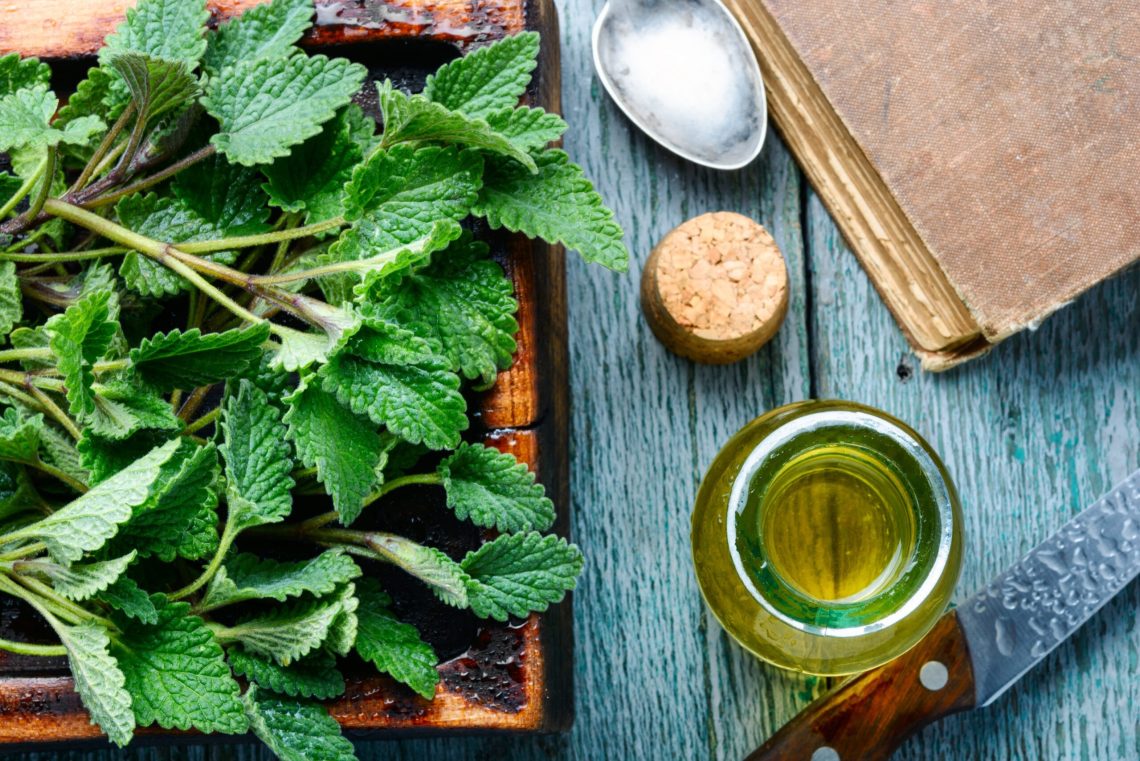
Lemon balm (Melissa officinalis) is a medicinal plant with a long history in traditional medicine, valued for its effects on the nervous and digestive systems. Transforming it into a medicinal oil provides a concentrated and versatile form for use, ideal for massages, inhalations, or local applications.
Detailed Benefits
Calms the nervous system
The primary action of lemon balm oil is sedative. Active substances such as citral and citronellal act on GABA receptors, helping to reduce feelings of agitation, anxiety, and irritability. Modern studies have shown that lemon balm has effects comparable to mild anxiolytics without creating dependency.
Reduces stress and improves sleep
Lemon balm oil applied to the temples or used in aromatherapy induces a state of deep relaxation and promotes natural sleep. It is recommended for insomnia caused by overexertion or emotional imbalance.
Supports digestion and alleviates bloating
Used in abdominal massage or diluted in olive oil, it can stimulate the secretion of gastric juices, improving slow digestion, intestinal cramps, and bloating.
Antimicrobial and antiviral
Lemon balm oil has documented effects against certain viruses, including herpes simplex. Local application helps soothe itching and regenerate affected skin.
Skin soothing
Due to its anti-inflammatory properties, it is useful in cases of irritated skin, eczema, hives, or insect bites.
Recipe for Homemade Lemon Balm Oil
Ingredients:
- 1 cup of fresh lemon balm leaves (ideally harvested in the morning)
- 250 ml of cold-pressed oil (olive, almond, or jojoba)
- A glass jar with a lid
- Cheesecloth or fine strainer
Preparation method:
- Gently rinse the lemon balm leaves and let them dry completely on a clean towel (to avoid fermentation).
- Chop the leaves and place them in a glass jar.
- Pour the chosen oil over the leaves, completely covering them.
- Seal tightly and place the jar in a warm, bright location (but not in direct sunlight) for 10-14 days.
- Shake the jar daily.
- After the maceration period, strain the oil through cheesecloth, squeezing the leaves well.
- Store the oil in a dark glass bottle in a cool, dry place.
Usage Instructions
For relaxation and sleep
Gently massage the temples, neck, and chest area with 2-3 drops of oil in the evening before bedtime.
Or add 5 drops to an aromatherapy diffuser.
In cases of stress or anxiety
Inhale the oil directly from your palm or through a diffuser.
You can also make a warm bath with 10 drops added to water (mixed with bath salt or milk).
For abdominal pain
Massage the stomach and intestinal area with oil diluted in a base (for example, 10 drops in 1 tablespoon of almond oil).
For herpes or itching
Apply locally 1 drop of diluted oil (1:3 with coconut or olive oil), 2-3 times a day.
Contraindications and Precautions
- Do not apply directly to the skin without dilution (it may irritate).
- It is contraindicated for pregnant women in the first trimester.
- Not recommended for children under 3 years old.
- Individuals with thyroid conditions (especially hypothyroidism) should consult a doctor before use, as lemon balm may influence thyroid function.
- Always test a small amount on the skin before use to avoid allergic reactions.
Sources:
- Medical News Today Lemon balm (Melissa officinalis): Benefits and uses
- Healthline Melissa Oil: Uses, Benefits, and Side Effects
- Phytotherapy Research Effects of Melissa officinalis on anxiety and sleep quality
- WebMD Melissa Officinalis (Lemon Balm): Overview, Uses, Side Effects




