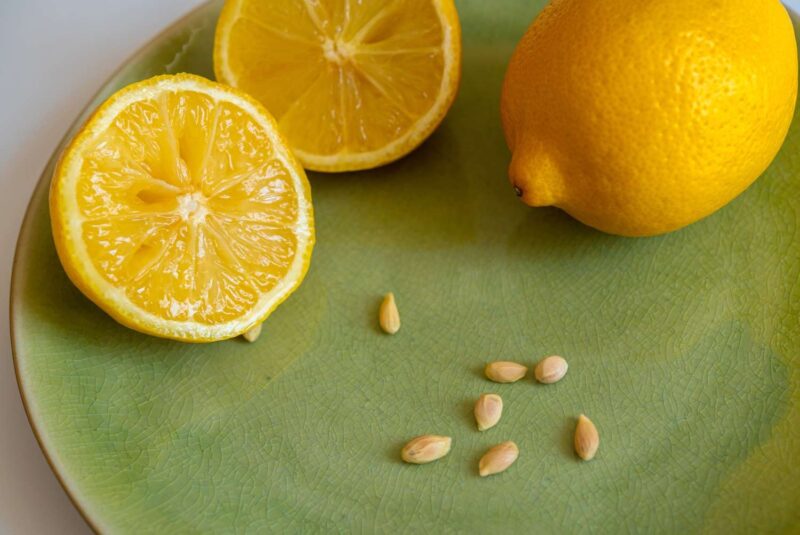
The lemon is one of the most commonly used fruits in cooking and natural medicine, yet very few people pay attention to the seeds. Generally, they are discarded, considered useless or even bothersome. However, recent research in traditional medicine shows that lemon seeds hide extremely valuable substances for health. Beyond their nutritional contribution, they contain essential oils, fibers, and bioactive compounds with antioxidant, detoxifying, and antimicrobial effects. In the following sections, we will discover in detail the benefits that lemon seeds can bring, what scientific studies say, and what the contraindications are.
Composition of Lemon Seeds
- Essential oils (limonene, citral, pinene)
- Vitamin C and flavonoids
- Soluble and insoluble fibers
- Saponins and tannins
- Small amounts of unsaturated fatty acids
Benefits
1. Strong Antioxidant Effect
Lemon seeds contain flavonoids and vitamin C in high concentrations. These antioxidants neutralize free radicals, responsible for premature aging and numerous degenerative diseases. Regular consumption, whether in the form of dried powder or extract, can support cellular protection. Studies show that flavonoids play an important role in reducing oxidative stress in the body. Over time, this translates into better organ function and a general state of vitality.
2. Support for Digestion
The fibers contained in lemon seeds help regulate intestinal transit. They promote the development of beneficial gut flora and reduce digestive discomfort. Additionally, the essential oils from the seeds have carminative effects, reducing bloating and gas. Moderate consumption, in the form of powder, can contribute to easier digestion and a sense of abdominal comfort.
3. Strengthening the Immune System
Due to their content of vitamin C and antimicrobial compounds, lemon seeds can support the immune system. They help the body fight against pathogens and reduce the risk of recurrent infections. Moreover, studies show that flavonoids can stimulate the production of white blood cells, essential for the body’s natural defense. Thus, the seeds become a valuable ally during cold and flu seasons.
4. Antimicrobial and Antifungal Effect
Extracts obtained from lemon seeds have demonstrated antimicrobial effects against bacteria such as Escherichia coli and Staphylococcus aureus. Additionally, antifungal properties against Candida albicans have been highlighted. These properties recommend their use in natural treatments to support oral hygiene or to prevent fungal infections.
5. Detoxification of the Body
Lemon seeds contain compounds that support the liver in the process of eliminating toxins. The essential oils stimulate liver enzymes. Through regular and moderate consumption, they help maintain liver health and reduce the accumulation of harmful substances in the body.
6. Supporting Skin Health
The antioxidants and oils from lemon seeds can be used externally in creams or ointments. They support skin regeneration, reduce inflammation, and aid in the healing of superficial wounds. Additionally, they can contribute to maintaining skin elasticity and brightness.
7. Cardioprotective Effect
The unsaturated fatty acids in lemon seeds, along with flavonoids, play a role in reducing LDL cholesterol levels. They improve blood circulation and reduce the risk of atheromatous plaque formation. Studies suggest that regular consumption can support heart health and prevent cardiovascular diseases.
8. Potential Anticancer Properties
Some research indicates that flavonoids and limonene from lemon seeds may have antitumor effects. These compounds seem to reduce the proliferation of cancer cells and induce apoptosis (programmed cell death). Although research is in its early stages, the results are promising and justify the inclusion of lemon seeds in the diet.
Studies and Research
- Antimicrobial activity of citrus seed extracts – Journal of Food Protection (2019)
- The study analyzed the effects of citrus seed extract on pathogenic bacteria. The results showed that the extract inhibited the growth of E. coli and Staphylococcus aureus. Additionally, a strong antifungal action against Candida albicans was noted. The researchers concluded that seeds can be a natural source of antimicrobials. This study opened the way for possible applications in the food and pharmaceutical industries. It also demonstrated that the use of seeds in supplements can be scientifically justified. The results support the tradition of using them in natural medicine. Researchers recommended further studies to establish optimal and safe dosages.
- Limonene and flavonoids from citrus seeds: potential anticancer properties – Cancer Letters (2020)
- The researchers investigated the action of limonene and flavonoids on tumor cells. The study showed that these compounds can inhibit the multiplication of cancer cells. Furthermore, stimulation of the natural apoptosis mechanism was observed. The results are promising for the development of natural adjunct therapies. However, the authors emphasize that studies on humans are still limited. It was noted that the effects depend on the dosage and method of administration. The conclusion was that lemon seeds have real anticancer potential, but it is not fully exploited.
Contraindications
- Excessive consumption may cause digestive discomfort (bloating, diarrhea).
- Not recommended for individuals allergic to citrus.
- Pregnant women and those who are breastfeeding should avoid excessive consumption due to a lack of clear studies.
- Concurrent administration with anticoagulant or antihypertensive medications should only be done with a doctor’s approval.
Estimated Nutritional Table (per 100 g of dried seeds)
| Component | Approximate Amount |
|---|---|
| Calories | 450 kcal |
| Proteins | 12 g |
| Unsaturated fats | 25 g |
| Fibers | 15 g |
| Vitamin C | 30 mg |
| Flavonoids | 200 mg |
Sources
- Journal of Food Protection – Antimicrobial activity of citrus seed extracts
- Cancer Letters – Limonene and flavonoids from citrus seeds: potential anticancer properties




