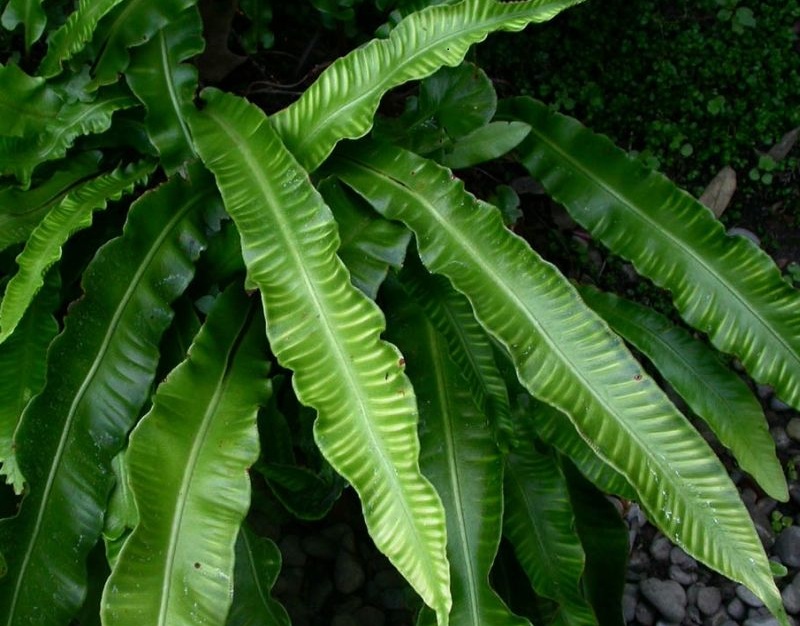
Deer Tongue (Asplenium scolopendrium) is a perennial fern, easily recognized by its shiny, entire leaves that resemble a tongue. Growing in moist and shady areas, through deciduous forests or shaded rocks, this plant has been used since ancient times in folk medicine to treat liver, lung, and stomach diseases and even for tissue regeneration.
Chemical Composition
Deer Tongue contains:
- Mucilages with emollient and protective effects on mucous membranes
- Tannins with astringent and anti-inflammatory roles
- Flavonoids powerful antioxidants
- Sorbitol with mild diuretic and laxative effects
- Organic acids (cinnamic, ferulic) involved in anti-inflammatory and antimicrobial processes
Benefits:
Liver Protection and Regeneration
Deer Tongue is used in natural remedies for liver conditions, contributing to detoxification of the liver and stimulating the regeneration of liver cells.
Studies indicate the presence of antioxidant compounds that reduce hepatic oxidative stress.
Gastric Emollient and Digestive Protector
Due to its mucilages, the plant acts as a balsam for the gastric mucosa. It is useful in cases of gastritis, gastric ulcers, or acid reflux.
Adjunct in Respiratory Conditions
Deer Tongue helps soothe coughs, reduce inflammation, and thin bronchial secretions. It is recommended for bronchitis, laryngitis, irritating or dry coughs.
Mild Diuretic and Detoxifying Effect
By stimulating the kidneys, it promotes elimination of toxins, also supporting lymphatic drainage.
Natural Astringent for Skin
The tannins in the plant help with skin rashes, eczema, or superficial wounds, having a healing and anti-inflammatory effect.
Recipes and Usage
1. Tea for Irritated Stomach or Congested Liver
Ingredients:
- 1 tablespoon dried and crushed Deer Tongue leaves
- 250 ml water
Preparation:
Boil the water, add the plant, let it steep for 10 minutes, then strain.
Administration:
Drink 2 cups a day, 30 minutes before meals, for 2-3 weeks.
2. Cold Macerate for Gastritis, Ulcer, Reflux
Ingredients:
- 2 tablespoons crushed leaves
- 500 ml cold water
Preparation:
Let the plant macerate overnight (8-10 hours), then strain.
Administration:
Drink 1 cup twice a day, before meals. The effect is soothing and protective for the stomach.
3. Compresses for Wounds, Eczema, or Irritated Skin
Ingredients:
- Fresh Deer Tongue leaves
Usage:
Crush the leaves slightly and apply them to the affected area, covering with gauze. Keep for 20-30 minutes. Repeat twice a day.
4. Steam Inhalation for Cough and Bronchitis
Ingredients:
- 2 tablespoons dried leaves
- 1 liter hot water
Preparation:
Add the plant to boiling water and inhale the steam for 10-15 minutes, covering your head with a towel.
Studies and Research
An article published in Journal of Ethnopharmacology (2022) shows that Asplenium scolopendrium has hepatoprotective and antioxidant effects on the liver of animals exposed to hepatic toxins.
In another study published in Plant Biosystems (2020), it was demonstrated that extracts from the leaves have anti-inflammatory and antimicrobial effects due to their rich composition in tannins and flavonoids.
Phytotherapy Research (2019) notes the traditional use of this fern in European monastic medicine for digestive and respiratory issues, confirmed in recent pharmacological studies.
Contraindications
The plant is not recommended in the following cases:
- Pregnant or breastfeeding women (there are not enough studies regarding safety)
- People with kidney stones (the diuretic effect may worsen the elimination of stones)
- Allergy to ferns or plants from shady areas (risk of skin reactions)
- Prolonged administration without breaks (may lead to mild digestive imbalances)
A maximum 3-week treatment is recommended, followed by a 7-day break.
Deer Tongue is a valuable medicinal plant, with a wide range of therapeutic applications from digestive and respiratory conditions to supporting liver function. With a long tradition in monastic and folk medicine in Europe, the plant deserves to be rediscovered and used judiciously, respecting dosages and contraindications.




