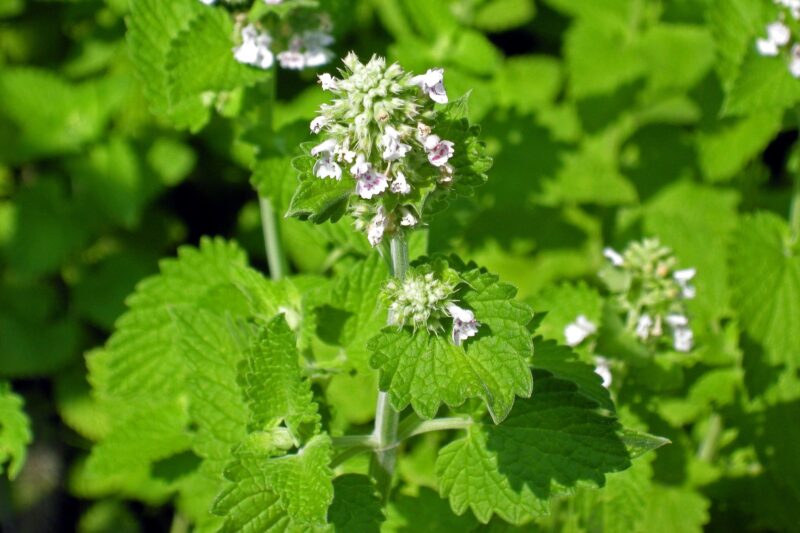
Ctunica (Nepeta cataria), also known as catnip, is an aromatic plant from the mint family, with remarkable therapeutic effects. Although it is famous for its attraction to cats, this plant has a long history in European folk medicine, being used primarily for nervous disorders, insomnia, digestion, and respiratory ailments. Today, modern medicine is rediscovering the hidden treasures of this modest plant.
Therapeutic Benefits
1. Calming the Nervous System and Reducing Anxiety
Ctunica acts as a mild natural sedative, calming the hyperactivity of the nervous system. Active substances, such as nepetalactone, stimulate GABA receptors in the brain, inducing a state of deep relaxation and reducing cortisol levels (the stress hormone).
Study: Research published in the Journal of Ethnopharmacology confirmed the anxiolytic and sedative effects of Nepeta cataria extract in mice, suggesting a similar potential in humans.
2. Improving Sleep and Combating Insomnia
Ctunica infusion is a classic remedy for insomnia, especially in children or sensitive individuals. It has a mild hypnotic effect without causing dependence or dizziness.
3. Stimulating Digestion and Reducing Bloating
The plant stimulates the production of gastric juices and promotes the elimination of gas, reducing abdominal cramps. It is often used in teas for indigestion or discomfort after heavy meals.
4. Soothing Colic in Children
Ctunica is considered safe in small quantities and has traditionally been used in weak infusions to soothe colic and nighttime agitation in infants.
5. Support for Immunity and Respiratory Ailments
It has a diaphoretic effect (promotes sweating), which helps reduce fever in colds and flu. Additionally, its anti-inflammatory action can soothe sore throats and coughs.
Usage and Recipes
1. Calming Infusion
- Ingredients: 1 tablespoon of dried ctunica leaves, 250 ml of boiling water
- Preparation: Let it steep for 10 minutes, then strain.
- Administration: 1-2 cups per day, 30 minutes before bedtime for a sedative effect.
2. Relaxing Bath
- Preparation: Boil 2-3 tablespoons of dried plant in 1 liter of water for 10 minutes. Strain and add to bathwater.
- Effects: Calming the nervous system, reducing muscle tension, restful sleep.
Contraindications and Precautions
- Pregnancy and breastfeeding: Contraindicated due to possible uterotonic effects.
- Children under 6 months: Should be administered only with a doctor’s approval, in very small doses.
- Individuals with liver or kidney diseases: Medical consultation is recommended before use.
- Interactions: May enhance the sedative effect of sleep or anxiety medications.
Studies and Research
- Ethnopharmacological relevance of Nepeta cataria: traditional use, phytochemistry and pharmacology Journal of Ethnopharmacology
- Anxiolytic and sedative effects of Nepeta cataria extract in mice Phytomedicine
- Nepetalactone: structure, biological activity, and synthesis Fitoterapia




