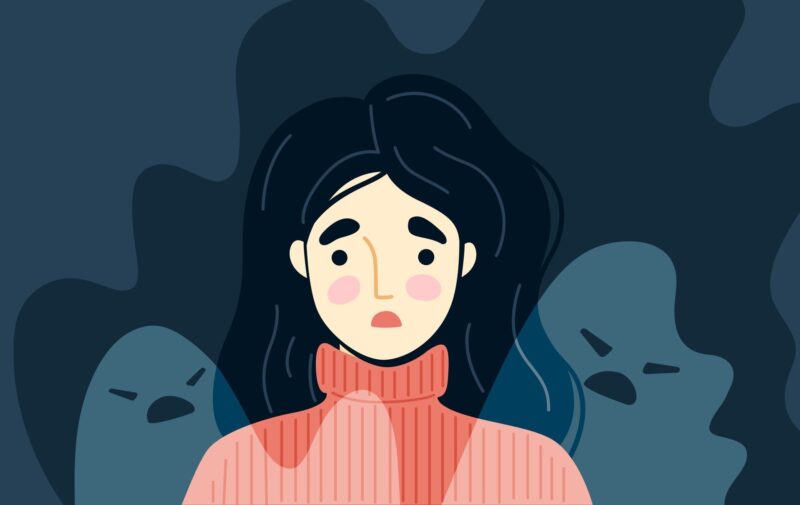
Anxiety and panic attacks affect an increasing number of people due to daily stress, emotional imbalances, or genetic predispositions. While medication treatments can be effective, they often come with side effects or risks of dependency. Fortunately, nature offers safe and effective alternatives that can calm the nervous system without creating dependency.
Natural Remedies Without Dependency Risks
1. Lemon Balm (Melissa officinalis)
How it works: It has a mild sedative effect, reduces neuronal excitability, and regulates the release of neurotransmitters associated with fear (such as GABA).
How to use: Tea (1 tablespoon of leaves in 200 ml of water, twice a day) or liquid extract (30 drops diluted in water).
Relevant study: A study published in Phytotherapy Research (2011) showed that lemon balm extract significantly reduces anxiety symptoms without adverse effects.
2. Passionflower (Passiflora incarnata)
How it works: It regulates accelerated heart rate and reduces mental tension by increasing the sensitivity of GABA receptors.
How to use: Tincture (25-30 drops twice a day) or standardized capsules.
Study: According to the Journal of Clinical Pharmacy and Therapeutics (2001), passionflower extract has a comparable efficacy to classic anxiolytics without causing excessive drowsiness.
3. Ashwagandha (Withania somnifera)
How it works: A powerful adaptogen, it reduces cortisol levels (the stress hormone) and balances the hypothalamic-pituitary-adrenal axis.
How to use: Powder (1/2 teaspoon per day), capsules, or tincture.
Study: In the Indian Journal of Psychological Medicine (2012), participants taking ashwagandha showed a 44% reduction in anxiety symptoms over 60 days.
4. Lavender (Lavandula angustifolia)
How it works: Contains linalool and linalyl acetate, compounds with a calming effect on the limbic system.
How to use: Inhalation of essential oil (diffuser) or capsules with standardized oil (80 mg/day).
Study: According to the International Journal of Neuropsychopharmacology (2010), oral lavender significantly reduced generalized anxiety.
5. Rhodiola Rosea
How it works: Regulates neurotransmitters like serotonin and dopamine, reducing fatigue and hypersensitivity to stress.
How to use: 200-400 mg/day in standardized form.
Study: A publication in the Nordic Journal of Psychiatry (2009) showed that rhodiola reduces mild to moderate anxiety symptoms after just 14 days.
Of course! Here are more detailed and clear explanations for each of the complementary natural methods, to better understand how they work and how they can be applied:
Complementary Natural Methods for Anxiety and Panic Attacks (Explained in Detail)
Diaphragmatic Breathing (Deep Abdominal Breathing)
This is a controlled breathing technique that involves the movement of the diaphragm, the muscle located between the chest and abdomen.
How it works:
- Activates the parasympathetic nervous system, responsible for relaxing the body.
- Reduces heart rate and blood pressure.
- Stops the fight or flight response triggered by anxiety.
How to practice:
- Sit in a comfortable position.
- Place one hand on your abdomen and one on your chest.
- Breathe in slowly through your nose for 4 seconds, expanding your abdomen.
- Hold the air for 2 seconds.
- Exhale slowly through your mouth for 6 seconds.
- Repeat 5-10 times.
Recommended daily, especially during stressful moments or at the onset of a panic attack.
The 5-4-3-2-1 Grounding Technique
This is a grounding strategy that redirects attention from anxious thoughts to the surrounding environment.
How it works:
- Reduces dissociation and extreme fear.
- Activates the prefrontal cortex (rational), diminishing exaggerated emotional responses.
Steps of the technique:
- 5 things you can see: Look around and name five objects.
- 4 things you can touch: Feel the texture of objects around you (furniture, clothing, etc.).
- 3 things you can hear: Listen and identify three sounds.
- 2 things you can smell: Breathe deeply and identify two scents (coffee, perfume, fresh air).
- 1 thing you can taste: This can be a piece of gum, a candy, or simply the taste of your saliva.
This is extremely useful during a panic attack or at the first signs of acute anxiety.
Mindfulness Exercises
Mindfulness means living in the present with full attention, without judgment.
How it works:
- Reduces hyperactivity of the mind and negative rumination.
- Lowers cortisol levels and strengthens neural connections in areas responsible for self-control.
- Stimulates neuroplasticity and emotional balance.
Practical examples:
- Focus solely on the act of drinking tea: observe the aroma, taste, and warmth.
- Walk and feel the contact of your feet with the ground.
- Practice body scanning: observe each area of your body, from head to toe, in silence.
Even 10 minutes a day of regular practice can have significant therapeutic effects.
Massage with Calming Essential Oils
Properly applied massage with essential oils can calm the nervous system in a very short time.
How it works:
- Essential oils act on the limbic system through smell, influencing emotions.
- Massage stimulates the release of endorphins and oxytocin, hormones of well-being.
Recommended oils:
- Lavender: Reduces mental tension and improves sleep.
- Ylang-ylang: Balances emotions and lowers blood pressure.
- Roman Chamomile: Calms agitation and irritability.
Application:
- Dilute 12 drops of essential oil in 1 tablespoon of carrier oil (e.g., almond, jojoba).
- Gently massage the temples, neck, or wrists.
This can also be used in combination with warm baths or before sleep.
Nature Therapy (Forest Bathing – Shinrin Yoku)
Originating from Japan, this concept means immersing oneself in the forest, i.e., a conscious and relaxing exposure to the natural environment.
How it works:
- Nature emits volatile compounds (phytoncides) that reduce cortisol and calm the nervous system.
- Reduces heart rate and regulates blood pressure.
- Activates alpha brain waves associated with deep relaxation states.
How to do it:
- Walk in a forest or park for at least 20-30 minutes, without a phone or other distractions.
- Pay attention to the sounds of birds, the rustling of leaves, and the sunlight filtering through branches.
- Breathe deeply and let your mind rest.
The benefits can be felt even after a single walk, but the effect is amplified through repetition.
Important Contraindications
- Lemon Balm: Avoid in cases of severe hypothyroidism.
- Passionflower: Should not be combined with strong sedatives or alcohol.
- Ashwagandha: Not recommended in cases of hyperthyroidism or pregnancy.
- Lavender: Essential oil should not be applied directly to the skin, as it may cause irritation.
- Rhodiola: Avoid in severe hypertension or in combination with antidepressants without medical advice.




