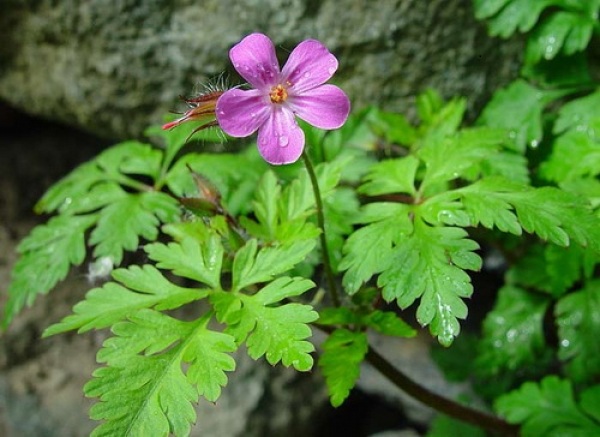
Npraznicul, also known by the popular name St. Robert’s herb, is a medicinal plant with a long tradition in European phytotherapy. It may seem like a modest weed, but its complex chemical composition and remarkable therapeutic properties have attracted researchers’ interest in recent decades. It is one of the most commonly used plants in natural remedies for hormonal balance, supporting the immune system, and combating chronic conditions.
Chemical Composition
Npraznicul is rich in:
- Tannins with astringent, anti-inflammatory, and healing effects
- Ellagic acid and flavonoids with strong antioxidant effects
- Volatile oils and phytosterols with antimicrobial action
- Coumarin derivatives with vasodilator and antispasmodic roles
- Geraniin a compound with studied immunomodulatory and antitumor properties
- Vitamin C, zinc, and mineral salts
Benefits of the Plant
1. Supports the Immune System and Has Antiviral Effects
Polyphenolic compounds, such as geraniin, stimulate the activity of macrophages and NK (natural killer) cells, which are essential in the fight against viral infections. It is used in natural therapies to support the body in cases of flu, herpes, HPV, or other chronic viral infections.
A study published in Pharmaceutical Biology (2011) highlighted the antiviral activity of extracts from Geranium robertianum against hepatitis and herpes simplex viruses.
2. Balances the Hormonal System
It is one of the few plants that act on the hypothalamic-pituitary-gonadal axis. It is recommended for:
- Menstrual disorders (irregular cycles, menstrual pain)
- Menopause for regulating hot flashes and irritability
- Fertility in women and men, by regulating estrogen and testosterone levels
3. Antitumor Activity Supported by Research
Npraznicul is frequently mentioned in natural therapies as an adjunct in cases of tumors, due to its content of ellagic acid and geraniin, compounds that inhibit the multiplication of tumor cells and stimulate apoptosis (programmed cell death).
According to a study published in Journal of Ethnopharmacology (2017), the extract of Geranium robertianum inhibited the proliferation of colorectal and brain cancer cells in in vitro experimental models.
4. Detoxification and Liver Regeneration
Through its action on the liver and kidneys, the plant stimulates the elimination of toxins, having a purifying effect. It is useful in seasonal detoxification regimens and supports liver regeneration in cases of steatosis or chronic hepatitis.
5. Antibacterial and Antifungal
The extract of npraznic has proven action against bacteria such as Staphylococcus aureus and Escherichia coli, being effective in urinary infections, vaginitis, and candidiasis.
Ways to Use
Infusion (internal)
Recipe: one tablespoon of dried plant in 250 ml of boiling water, infuse for 10 minutes.
Administration: 2-3 cups per day, in courses of 3-6 weeks.
Tincture
Recipe: 50 g of crushed plant + 250 ml of 40% alcohol, macerate for 14 days.
Dosage: 30 drops three times a day, diluted in a little water.
Powder (finely ground plant)
Administer sublingually, one teaspoon three times a day. Hold for 10-15 minutes, then swallow with water.
Compresses and Local Baths
For wounds, ulcers, mycoses, or eczema, apply compresses with concentrated infusion or make local baths.
Contraindications
- Pregnancy and breastfeeding – administration is not recommended without medical advice.
- Coagulation disorders due to the content of tannins.
- Individuals with severe hypothyroidism – may interfere with hormonal function.
- Should not be combined with synthetic hormonal treatments (contraceptives, hormone replacement) without a specialist’s advice.
Sources
- Cytotoxic and antioxidant activities of Geranium robertianum extracts Journal of Ethnopharmacology
- Phytochemical screening and biological evaluation of Geranium robertianum Pharmaceutical Biology
- Traditional uses and pharmacological activity of Geranium robertianum Plants Journal
- The role of ellagic acid in chemoprevention Oxidative Medicine and Cellular Longevity




