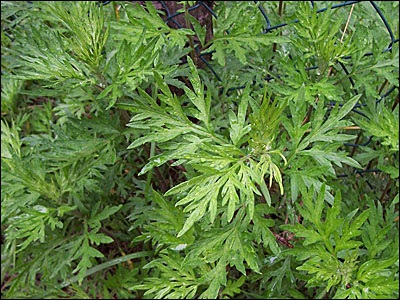
Black wormwood (Artemisia vulgaris) is one of the most mysterious and powerful plants in European herbal medicine. Often confused with white wormwood (Artemisia absinthium), black wormwood has its own unique phytochemical profile, known for its purifying, digestive, and neurotonic actions. With a long history in folk medicine and magical uses in ancient cultures, this plant deserves to be rediscovered with modern eyes.
What is black wormwood?
Black wormwood is a perennial plant from the Asteraceae family, with reddish stems and green leaves on the top, but whitish on the underside due to fine hairs. The flowers are small, globular or reddish, arranged in panicles. It grows spontaneously in Europe and Asia, along roads, in fields, and in uncultivated areas.
Benefits: How does black wormwood act in the body?
1. Stimulating digestion and eliminating toxins
The bitter substances (absinthin, artemisinin) and essential oils in black wormwood stimulate gastric and biliary secretions. Thus, it combats slow digestion, bloating, abdominal cramps, and constipation. By activating the liver, it also aids in detoxifying the blood and supporting overall metabolism.
2. Neurotonic effect and natural antidepressant
The leaves of wormwood contain active principles that act on the nervous system. They are known for their ability to tone the brain, reducing states of mental fatigue, melancholy, and irritability. In folk medicine, it was used to drive away evil spirits, the equivalent of depression in modern language.
3. Regulating the menstrual cycle and alleviating pain
The bioactive compounds in black wormwood help stimulate the uterus and regulate menstruation, being a traditional remedy for amenorrhea or dysmenorrhea. It helps alleviate uterine cramps and supports natural hormonal flow.
4. Antiparasitic and antifungal properties
Black wormwood has vermifuge effects (against intestinal parasites) and antimicrobial properties. It is often combined with other plants (such as cloves or black walnut) in internal deworming treatments.
5. Relaxation and inducing lucid dreams
In Celtic and Asian traditions, wormwood was used under pillows to bring clear and prophetic dreams. The plant has a mild sedative effect and is appreciated for its ability to induce a state of inner peace.
What do studies say?
- A study published in Phytomedicine (2021) identified the presence of neuroactive compounds in Artemisia vulgaris, which demonstrated anxiolytic and antidepressant effects in animal models, without major sedative side effects.
- Journal of Ethnopharmacology (2019) highlighted the strong antimicrobial and antifungal activity of black wormwood extract, particularly against Candida albicans and Escherichia coli.
- A study from Frontiers in Pharmacology (2020) showed the potential of essential oil from Artemisia vulgaris in regulating hormonal activity, due to its action on estrogen receptors.
Recipes and usage methods
1. Digestive and detoxifying tea
Ingredients:
- 1 tablespoon of dried black wormwood
- 250 ml boiling water
Preparation:
Pour water over the plant, cover for 7-10 minutes, then strain.
Usage:
1 cup per day, 15 minutes before meals, for a maximum of 7 consecutive days.
2. Tincture tonic for the nervous system
Ingredients:
- 50 g dried plant
- 250 ml food alcohol (40)
Preparation:
Let it macerate for 14 days in a closed container, shaking daily. Strain and store in a cool place.
Usage:
10-15 drops, twice a day, diluted in water, before meals.
3. Relaxing bath with wormwood
Preparation method:
Boil 100 g of wormwood in one liter of water for 15 minutes. Strain and add the liquid to the bathwater.
Effects:
Relaxes muscles, alleviates anxiety, stimulates peripheral circulation.
4. Fumigations and pillows with wormwood
Traditionally: Dried leaves are lightly burned in rooms where air purification or lucid dream induction is desired.
Pillows: Dried leaves are placed in a fabric bag and placed under the pillow.
Contraindications
- Pregnancy and breastfeeding Stimulates the uterus, may cause contractions. Forbidden during this period.
- Active gastric ulcer or gastritis May irritate the stomach lining.
- Epilepsy Essential oil may trigger seizures.
- Long-term administration May cause liver or nervous toxicity. Continuous use for more than 7-10 days is not recommended.
- Drug interactions May interact with sedatives, anticoagulants, or hormones.
Consult a doctor or herbalist before use!
Sources:
- Phytomedicine: Anxiolytic-like effects of Artemisia vulgaris extract in mice
- Journal of Ethnopharmacology: Antimicrobial and antioxidant activity of Artemisia vulgaris
- Frontiers in Pharmacology: Endocrine modulation by Artemisia species therapeutic opportunities
- Medicinal Plants: A Complete Guide to Therapeutic Use, Medical Publishing




