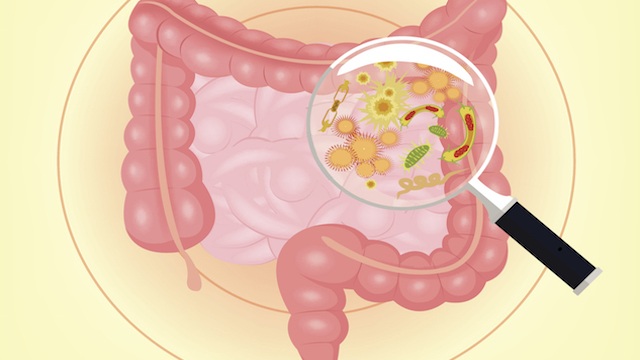
At the core of the digestive system, where we should be fighting daily battles for our health, lies an amazing ecosystem: the intestinal microbiome. Composed of billions of bacteria, fungi, and other microorganisms, this microscopic universe influences not only our digestion but also our immunity, mental balance, and even longevity.
What are intestinal bacteria?
Intestinal bacteria are microorganisms that live in the gastrointestinal tract, particularly in the large intestine. In a healthy adult, it is estimated that between 30-100 trillion bacteria from over 1,000 different species reside there. The most well-known genera include Lactobacillus, Bifidobacterium, Escherichia, Enterococcus, and Clostridium.
Benefits of Intestinal Bacteria
1. Efficient Digestion and Nutrient Absorption
Bacteria break down fibers and indigestible carbohydrates through fermentation, producing short-chain fatty acids (such as butyrate) that nourish intestinal cells and reduce inflammation. They contribute to:
- Vitamin production (K, B12, biotin, folic acid)
- Mineral absorption (calcium, magnesium, iron)
2. Supporting the Immune System
Over 70% of the immune system is located in the intestines. Good bacteria:
- Stimulate the production of regulatory T cells
- Prevent the entry of pathogens by strengthening the intestinal barrier
- Combat systemic inflammation
3. The Gut-Brain Connection (Gut-Microbiota-Brain Axis)
The microbiome influences mood by:
- Producing neurotransmitters (e.g., serotonin, GABA)
- Regulating cortisol (the stress hormone)
- Communicating with the brain via the vagus nerve
Imbalances are associated with depression, anxiety, ADHD, and even Alzheimer’s disease.
4. Body Weight and Metabolism
Some species of bacteria influence:
- How the body stores fat
- Insulin response and blood sugar levels
- Hunger sensations through the hormones leptin and ghrelin
5. Preventing Chronic Diseases
A balanced microbiome can prevent:
- Inflammatory bowel diseases (Crohn’s disease, ulcerative colitis)
- Type 2 diabetes
- Colorectal cancer
- Autoimmune diseases (psoriasis, lupus)
Imbalance of Intestinal Bacteria (Dysbiosis)
Common causes include:
- Frequent or unnecessary use of antibiotics
- A diet high in sugar and processed fats
- Chronic stress
- Poor sleep
- Sedentary lifestyle
Symptoms of dysbiosis may include:
- Bloating, diarrhea, or constipation
- Chronic fatigue
- Skin issues, acne
- Decreased immunity
- Mood disturbances
How to Support Good Bacteria?
Natural Probiotics:
- Yogurt, kefir, naturally fermented pickles, miso, tempeh, kimchi, kombucha
Prebiotics (food for probiotics):
- Soluble fibers from: bananas, onions, garlic, leeks, asparagus, oats, flaxseeds
Polyphenols:
- Blueberries, green tea, raw cacao, extra virgin olive oil
Supplements (upon doctor’s recommendation):
- Multi-species probiotics tailored to intestinal needs
Contraindications and Precautions
Although probiotics and fermented foods are generally safe, there are special situations:
- Individuals with weakened immune systems (e.g., chemotherapy, HIV) should consult a doctor
- Bacteremia or sepsis is a rare but documented risk in critically ill patients
- Severe undiagnosed intestinal conditions may require careful balancing
Sources:
- Gut microbiota’s effect on mental health: The gut-brain axis The Journal of Clinical Investigation
- Role of the gut microbiota in nutrition and health BMJ (British Medical Journal)
- Microbiota-targeted therapies in inflammatory bowel disease Nature Reviews Gastroenterology & Hepatology
- The Human Microbiome: A New Frontier in Health National Institutes of Health (NIH)
- Probiotics: What You Need To Know National Center for Complementary and Integrative Health
- Prebiotics and their role in gut health Harvard T.H. Chan School of Public Health
- Impact of gut microbiota on inflammation, obesity, and metabolic disease Genome Medicine
- Microbiome, probiotics and health: A review International Journal of Molecular Sciences




