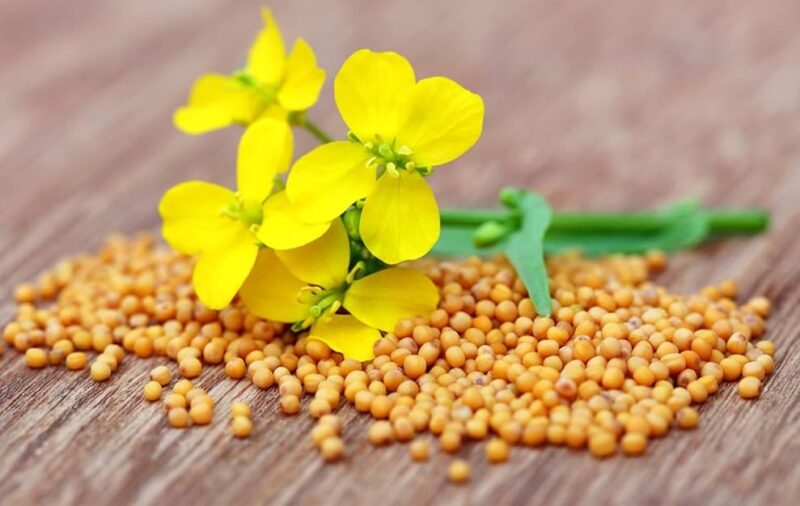
Mustard seeds (Sinapis alba, Sinapis nigra, or Brassica juncea) hide remarkable therapeutic power. These seeds, used since ancient times by the Greeks, Egyptians, and Romans, have been appreciated for their stimulating, detoxifying, and anti-inflammatory properties.
Today, science confirms the multiple benefits of these golden or black seeds, which can support digestion, metabolism, and even relieve muscle and joint pain.
Composition of Mustard Seeds
Mustard seeds are rich in valuable active principles:
- Glucosinolates (precursors of isothiocyanates, compounds with anticancer effects)
- Volatile oils (especially sinigrin in black and brown mustard)
- Mucilages with emollient and laxative effects
- Mineral salts (calcium, magnesium, iron, zinc)
- Plant proteins
- Vitamins B1, B6, E, and folic acid
Benefits of Mustard Seeds
1. Digestive and Carminative Stimulant
Mustard stimulates the production of gastric juices and enzymes, enhancing digestion. It may help alleviate bloating and slow digestion.
A study published in Phytotherapy Research (2018) shows that essential oils from mustard have beneficial effects on gastric motility and combat intestinal fermentation.
2. External and Internal Anti-inflammatory Effect
Substances in mustard reduce muscle and joint inflammation. When applied externally, it produces a slight warming sensation, alleviating rheumatic pain and muscle tension.
3. Laxative and Detoxifying
Mucilages act as a natural lubricant for the intestines, promoting regular transit without irritation.
4. Natural Antibacterial
Isothiocyanates have an antimicrobial action against pathogenic bacteria, being useful in preventing gastrointestinal infections.
5. General Tonic and Metabolism Stimulator
By stimulating circulation and digestive functions, mustard is considered an effective tonic in cases of physical and intellectual fatigue.
Recipes and Usage
Mustard Seed Tea for Digestion
- 1 tablespoon of whole seeds (white or black)
- Crush slightly and boil in 250 ml of water for 5 minutes
- Drink 1-2 cups a day after meals
Mustard Powder Compress for Muscle Pain
- 2 tablespoons of black mustard powder + warm water until a paste is formed
- Apply on a cloth and place on the painful area for 10-15 minutes (be cautious with sensitive skin!)
Digestive Tincture
- 100 g mustard seeds + 500 ml of 40% alcohol
- Let it macerate for 10 days, then filter
- Take 20 drops in a little water after meals
Contraindications and Precautions
Gastritis, ulcer, or irritable bowel syndrome may irritate the gastric mucosa.
Sensitive skin or eczema – compresses may cause irritative reactions.
Children under 12 years – not recommended internally or externally without medical advice.
Allergy to plants in the Brassicaceae family.
Pregnancy and breastfeeding – internal use should be done with medical advice.
Types of Mustard Seeds – Comparative Table
| Type of Mustard | Color | Taste | Main Effects | Recommended for |
|---|---|---|---|---|
| White Mustard (Sinapis alba) | Light yellow | Mild, slightly spicy | Digestive, laxative | Digestion, constipation |
| Black Mustard (Brassica nigra) | Black | Spicy, intense | Anti-inflammatory, tonic | Rheumatism, pain |
| Brown Mustard (Brassica juncea) | Dark brown | Spicy and pungent | Circulatory stimulant | Fatigue, congestion |
Sources:
- Phytotherapy Research – Therapeutic Potential of Mustard Seeds in Digestive Health
- WebMD – Mustard: Uses, Benefits, and Side Effects
- Journal of Herbal Medicine – Topical Applications of Brassica Seeds for Muscle Pain Relief
- European Medicines Agency – Assessment report on Sinapis nigra and Sinapis alba




