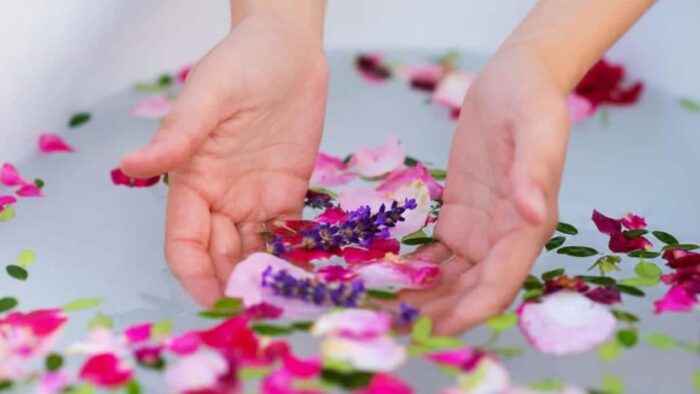
After a demanding day or a period of intense physical effort, muscles can become stiff, tense, and painful. Instead of synthetic creams or oral analgesics, a natural, pleasant, and effective solution is herbal aromatic baths. Combining the power of phytotherapy with the relaxing effect of warm water, this remedy offers a deep relaxation of the muscles and an overall sense of well-being.
Detailed Benefits and Mechanism of Action
Natural Anti-inflammatories
Many plants used in aromatic baths contain active compounds such as flavonoids, saponins, tannins, and essential oils with anti-inflammatory and analgesic effects. By penetrating through the skin and respiratory pathways, these substances help relax the muscles and soothe pain.
Warm Water – Vasodilator and Relaxant Effect
Warm water activates blood circulation in tense areas, contributing to reducing local inflammation and eliminating lactic acid accumulated in the muscles, the main cause of post-effort pain.
Aromatherapy
Essential oils released from plants act on the nervous system through smell, reducing stress and improving sleep—two essential elements for complete muscle recovery.
Recommended Herbs for Relaxing Baths
Chamomile
Soothes irritations and has a muscle relaxant effect. Contains chamazulene, which has anti-inflammatory properties.
Rosemary
Stimulates circulation and helps reduce muscle tension. Rich in camphor and rosmarinic acid.
Lavender
Has antispasmodic properties and induces a state of deep calm. Ideal for muscle pain caused by stress.
Fir or Pine
The needles contain essential oils with rubefacient and muscle decongestant effects. Excellent for recovery after intense effort.
Sage
Reduces cramps and inflammation. Often used in rheumatic conditions.
Recipes for Herbal Aromatic Baths
1. Relaxing Bath with Lavender and Chamomile
Ingredients:
- 3 tablespoons of lavender flowers
- 3 tablespoons of chamomile flowers
- 2 liters of water
Preparation Method:
Boil the herbs for 10 minutes, strain, and pour into the warm bath water. A bath of 20-30 minutes is recommended in the evening.
2. Revitalizing Bath with Rosemary and Pine
Ingredients:
- 2 tablespoons of dried rosemary
- 2 tablespoons of pine or fir needles
- 5 drops of pine essential oil (optional)
Preparation Method:
Infuse the herbs in 2 liters of water, then add to the bath. The essential oil should be added directly to the water, mixing well.
3. Bath Salt with Ground Herbs
Ingredients:
- 1 cup of Epsom salt
- 2 tablespoons of dried ground lavender
- 2 tablespoons of dried ground sage
- 5 drops of lavender essential oil
Usage Method:
Add the mixture to warm water and let it act for 20 minutes. Ideal for tense muscles after sports.
Studies and Research
Journal of Alternative and Complementary Medicine (2015) demonstrated that baths with lavender and rosemary essential oils significantly reduce muscle tension and psychological stress compared to regular baths.
Evidence-Based Complementary and Alternative Medicine (2020) showed that infusions of chamomile and sage applied locally reduce muscle pain and contribute to faster recovery after sustained physical effort.
Phytotherapy Research (2018) confirmed the anti-inflammatory effect of rosemary and pine, being recommended for muscle and rheumatic pain.
Contraindications and Precautions
Pregnancy and Breastfeeding: Essential oils (especially sage and rosemary) should be avoided or used only with medical advice.
Hypotension: Prolonged hot baths may lower blood pressure.
Allergies: Always test the herbs or oils on a small area of skin to avoid allergic reactions.
Varicose Veins or Circulatory Conditions: Avoid baths that are too hot or prolonged.
Sources:
- Journal of Alternative and Complementary Medicine – Essential oil baths for muscle tension and stress relief
- Evidence-Based Complementary and Alternative Medicine – Effects of chamomile and sage infusions in muscle recovery
- Phytotherapy Research – The anti-inflammatory potential of rosemary and pine in topical applications




