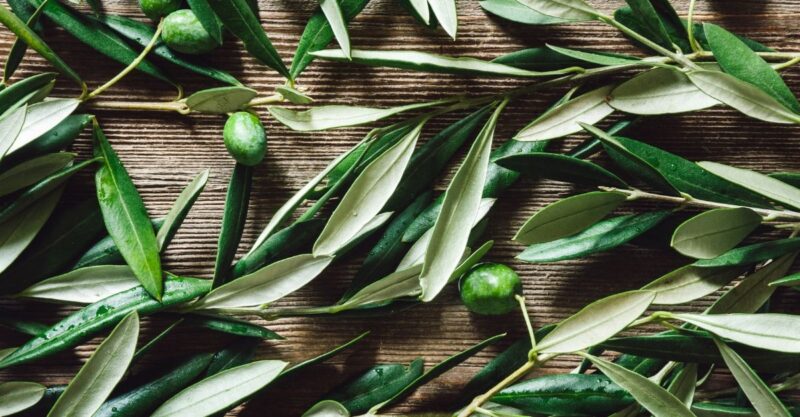
Olive leaves (Olea europaea) are no longer just symbols of peace and longevity in Mediterranean cultures. In recent decades, they have attracted attention for their ability to regulate blood pressure, supporting heart health in a natural way. Used in the form of tea, tincture, or extract, olive leaves are a true elixir for those seeking a natural way to maintain blood pressure within normal limits.
Detailed Benefits and Mechanism of Action
Regulation of Blood Pressure
Olive leaves contain oleuropein, a polyphenolic compound with vasodilatory, anti-inflammatory, and antioxidant effects. It acts on the vascular endothelium (the inner wall of blood vessels), improving vessel elasticity and reducing arterial resistance. This leads to a progressive and stable decrease in blood pressure, without notable adverse effects.
Supports Cardiovascular Health
Oleuropein and hydroxytyrosol reduce levels of low-density lipoprotein (LDL) cholesterol and prevent its oxidation, a process that contributes to the formation of atherosclerotic plaques. Thus, olive leaves can prevent the narrowing of arteries and reduce the risk of heart attack and stroke.
Protects the Nervous System and Reduces Oxidative Stress
Extracts from olive leaves reduce neuronal inflammation and oxidative stress—two factors associated with neurogenic hypertension. Through these actions, they contribute to a gentle normalization of blood pressure in cases of chronic stress or mental overload.
Studies and Research
A study published in Phytomedicine (2011) compared olive leaf extract with captopril (an antihypertensive medication). The results showed that olive leaf extract (1,000 mg/day) was equally effective in reducing blood pressure in patients with mild hypertension, without causing significant adverse effects.
In Journal of Medicinal Food (2008), it was highlighted that administering olive leaf extract for 8 weeks led to a significant decrease in systolic and diastolic blood pressure, along with improvements in inflammatory markers and cholesterol levels.
Other in vitro and in vivo studies have confirmed the antioxidant, anti-inflammatory, and vasodilatory effects of olive leaves, demonstrating their potential in preventing cardiovascular diseases.
How to Use Olive Leaf
1. Olive Leaf Tea
Ingredients:
- 1 tablespoon of dried olive leaves (crushed)
- 250 ml boiling water
Preparation:
Pour hot water over the leaves. Cover and let steep for 10-15 minutes. Strain and consume warm, 1-2 cups per day, preferably in the morning and afternoon.
2. Olive Leaf Tincture
Preparation Method:
- 100 g dried leaves
- 500 ml of 40% alcohol
Let it macerate for 14 days in an airtight jar, shaking daily. Strain and store in a cool place. Administer 20-30 drops, 2-3 times a day, diluted in a little water.
3. Standardized Extract (Commercial)
Available in capsules or drops. It is recommended to read the prospectus, but the usual dose is 500-1,000 mg/day, depending on concentration.
Contraindications and Precautions
Hypotension: Individuals with low blood pressure should not consume olive leaves without medical approval.
Drug Interactions: May potentiate the effects of antihypertensive, hypoglycemic, or anticoagulant medications. Consult a doctor if you are undergoing chronic treatments.
Pregnancy and Breastfeeding: There are not enough studies regarding safety during these periods. Caution is recommended.
Sources:
- Phytomedicine: Olive (Olea europaea) leaf extract effective in patients with stage-1 hypertension
- Journal of Medicinal Food: Beneficial effect of olive leaf extract on blood pressure and lipid profile
- ScienceDirect: Biological effects of oleuropein: from antioxidant to anti-hypertensive agent




