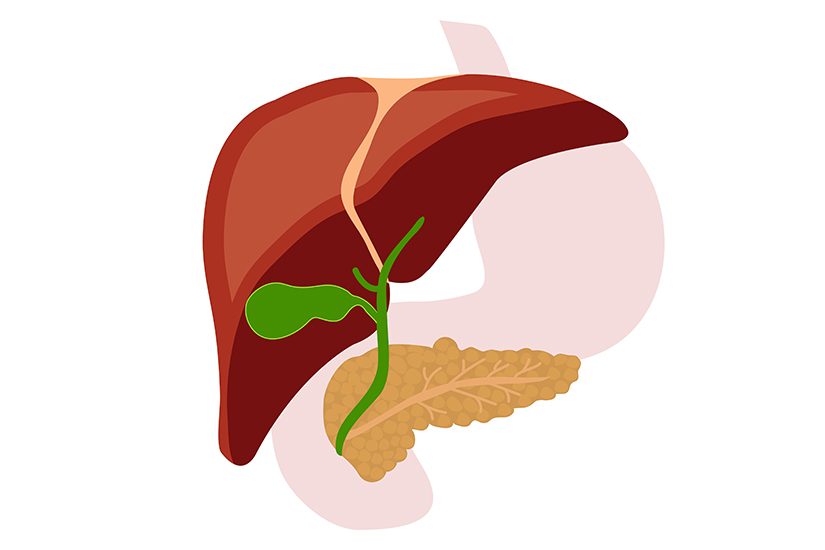
In folk medicine and modern phytotherapy, black radish holds a special place when it comes to liver drainage and stimulating the gallbladder. Its intense aroma and sulfur compounds make it a true cleanser for the digestive system, and when combined with raw honey, a natural antiseptic and emollient, it results in a balanced and effective remedy that has been used for centuries for hepatobiliary conditions.
Traditional Recipe: Black Radish with Honey
Ingredients:
- 1 large, healthy black radish
- 1-2 tablespoons of raw honey (ideally, polyfloral or acacia)
Preparation method (hollowing method):
- Wash the radish well and cut off a cap from the top.
- Hollow out the inside partially, without piercing the bottom.
- Add 1-2 tablespoons of honey into the formed cavity.
- Cover with the cap and let it sit at room temperature for 12-24 hours.
- The dark, sweet liquid formed inside is the natural syrup.
Alternatively: The radish can be grated and mixed with honey in a jar. Let it sit for 12-24 hours and then strain.
Benefits and How It Works
Stimulates bile secretion and toxin elimination
Black radish is rich in glucosinolates and volatile oils (such as raphanol) that stimulate the gallbladder to empty efficiently. This action helps reduce discomfort caused by slow digestion, bloating, or nausea after meals.
Supports liver function in detoxification processes
Modern studies confirm that extracts from black radish can protect hepatocytes from oxidative stress and assist in eliminating harmful substances. It is effective in cases of liver congestion and in regenerating the liver after demanding periods (medications, alcohol, heavy foods).
Has antimicrobial and anti-inflammatory effects
The sulfur compounds present in radish act as natural antimicrobial agents, helping to regulate intestinal flora and reduce inflammation in the digestive tract. Honey, with its enzymes, complements the anti-inflammatory effect and provides additional gastric protection.
Relieves constipation and supports overall digestion
Radish has a mild laxative and choleretic effect, promoting the complete digestion of fats. Honey supports intestinal transit and soothes the gastric mucosa.
May reduce cholesterol and support the cardiovascular system
Through its effect on fat metabolism and bile elimination, this remedy indirectly helps regulate blood cholesterol, an important function of a healthy liver.
Ways to Use
- Adults: 1 tablespoon of syrup, 2-3 times a day, before meals.
- Children over 5 years: 1 tablespoon twice a day.
- It is recommended to take courses of 7-14 days, followed by a break.
- It can be taken in the morning on an empty stomach for maximum effect on the liver.
Contraindications
- Not recommended in case of large gallstones as it may stimulate biliary colic.
- Avoid in active gastric or duodenal ulcers as it can be gastric irritant.
- Contraindicated in severe irregular hypothyroidism (interaction with natural iodine).
- Use with caution in diabetes (due to honey; it can be replaced with a little liquid stevia).
- Not to be administered to children under 2 years old.
Sources:
- Journal of Food Biochemistry Radish (Raphanus sativus) as a dietary antioxidant and liver protector
- Phytotherapy Research articles on the choleretic effects of black radish
- European Medicines Agency (EMA) information on the traditional use of radish
- Herbal Medicine Steven Foster & Rebecca L. Johnson
- The Essential Book of Herbal Medicine Simon Mills




