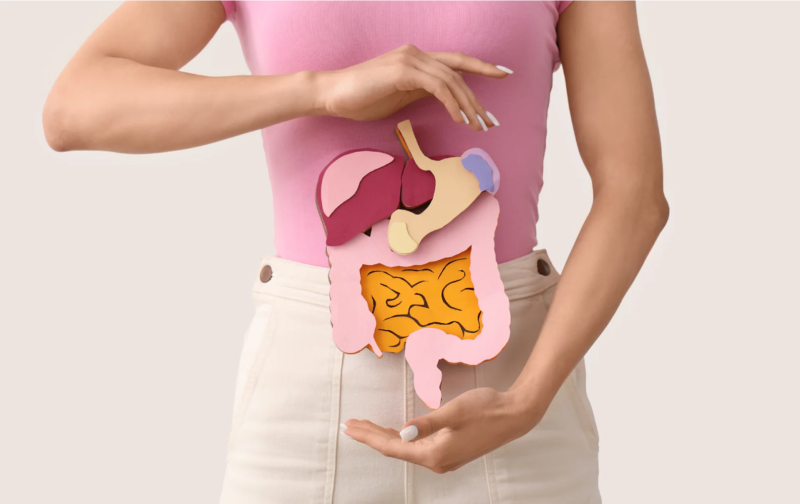
In natural medicine, bitter tinctures hold a prestigious place due to their rapid and effective action on the digestive system. Among these, a combination of bitter plants such as gentian, artichoke, and calamus can become a true ally for those facing slow digestion, chronic bloating, a feeling of heaviness after meals, or lack of appetite. This type of tincture works by stimulating gastric, biliary, and intestinal secretions, thus supporting normal transit and proper nutrient absorption.
What Does Bitter Tincture Contain?
This tincture is a concentrated mixture of bitter-tasting plants known for their digestive properties:
- Gentian (Gentiana lutea) – a strong gastric tonic
- Artichoke (Cynara scolymus) – choleretic and cholagogue (stimulates bile secretion and evacuation)
- Calamus (Acorus calamus) – carminative, reduces spasms and flatulence
- St. John’s Wort (Hypericum perforatum) – regulates gastric acidity
- Wormwood (Artemisia absinthium) – intestinal disinfectant, supports beneficial flora
- Bitter Orange Peel – digestive flavoring, combats heaviness
Benefits
Stimulates Digestive Juices
The bitter principles (amarogentin, cynarin, absinthin) from these plants stimulate the taste buds, which in turn activate the vagus nerve. This triggers the production of gastric, pancreatic, and biliary juices, facilitating food breakdown and reducing digestion time.
Alleviates Bloating and Intestinal Gas
Calamus and wormwood have carminative effects, reducing gas accumulation in the intestines. These plants calm spasms and irregular intestinal contractions that occur in irritable bowel syndrome.
Combats Dyspepsia and Heaviness
Gentian and bitter orange peel are indicated in dyspepsia (functional indigestion) as they improve stomach motility and reduce heaviness or acid reflux.
Supports Liver and Bile Secretion
Artichoke stimulates the gallbladder and liver function, promoting fat digestion and preventing the feeling of heaviness after meals. This is essential for individuals with hepatic steatosis or biliary dyskinesia.
Recipe: How to Prepare Bitter Tincture
Ingredients:
- 2 tablespoons gentian root
- 2 tablespoons artichoke leaves
- 1 tablespoon calamus root
- 1 tablespoon St. John’s Wort flowers
- 1 tablespoon wormwood
- 1 tablespoon dried bitter orange peel
- 500 ml of 40-45% alcohol (vodka or light homemade spirit)
Preparation Method:
- Chop the plants and place them in a dark glass jar.
- Pour the alcohol over the plants, seal tightly, and shake well.
- Let it macerate for 14 days in a cool, dark place, shaking daily.
- Strain the liquid and store it in dark glass bottles, protected from light.
Dosage
- Preventive: 10-15 drops diluted in a little water, 10-15 minutes before meals.
- For bloating or gastric discomfort: 15-20 drops after meals.
- Can be taken 2-3 times a day for 3-4 weeks, followed by a 2-week break.
Contraindications and Precautions
- Contraindicated in pregnancy and breastfeeding.
- Avoid use in cases of active gastric or duodenal ulcers.
- Not recommended for those with severe liver conditions (cirrhosis, active hepatitis).
- May interact with antidepressant or anticoagulant medications (due to St. John’s Wort).
- Test digestive tolerance in case of a sensitive stomach; start with small doses.
What Do Studies Say?
- A study published in Phytotherapy Research (2010) showed that amarogentin from gentian significantly stimulates hydrochloric acid and pepsin secretion, improving protein digestion and mineral absorption.
- Research published in Journal of Ethnopharmacology (2013) highlighted the choleretic effect of artichoke, increasing bile production by up to 60% in just 10 days of administration.
- Calamus has been shown to be effective in calming gastrointestinal spasms in a study from Indian Journal of Pharmacology (2016), suggesting a beneficial effect on irritable bowel syndrome and persistent flatulence.




