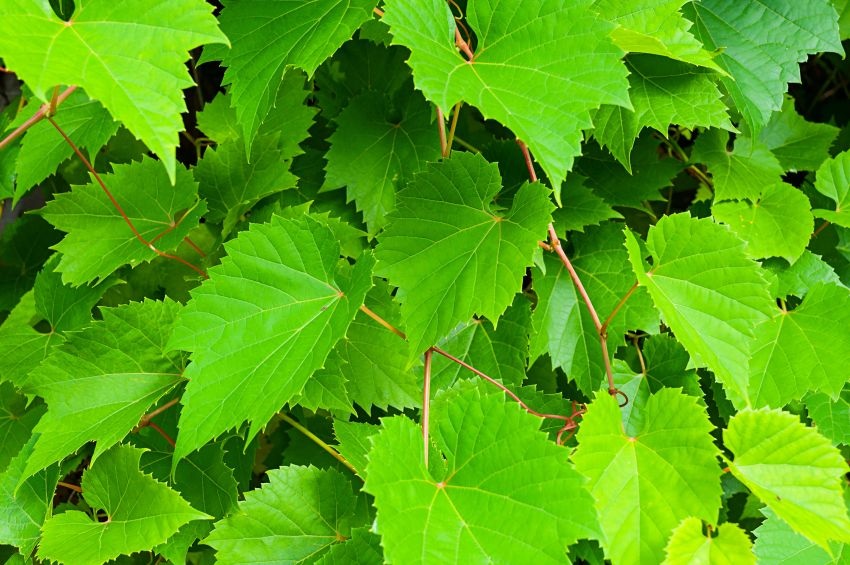
Leg pain, the sensation of heaviness, or swelling in the calves affects more and more people, whether due to prolonged standing, sedentary lifestyle, varicose veins, or poor circulation. A natural remedy rediscovered in recent decades is grape leaves, with proven effects in combating venous and lymphatic discomfort.
What do grape leaves contain?
The leaves (especially the red ones, but also the green ones) are rich in:
- Flavonoids (quercetin, kaempferol, resveratrol)
- Tannins and anthocyanins
- Vitamins C and E
- Organic acids with astringent effects
- Mineral salts (magnesium, calcium, iron)
These compounds act synergistically to reduce inflammation, strengthen blood vessel walls, and stimulate peripheral circulation.
Benefits for tired and painful legs
- Reduces the sensation of heaviness and swelling in the legs
Thanks to its venous and lymphatic tonic effect, especially in cases of varicose veins or chronic venous insufficiency. - Relieves muscle and joint pain
Extracts from the leaves have a mild anti-inflammatory action, soothing local pain. - Improves microcirculation
Flavonoids protect the capillary endothelium and prevent blood stagnation in veins. - Helps with varicose veins and broken veins
Tannins strengthen vascular walls and reduce excessive permeability. - Combats water retention and swollen legs
Through a mild diuretic and lymphatic effect, especially when applied locally.
Recipes and methods of use
1. Concentrated infusion for compresses
- 10-12 fresh grape leaves
- 500 ml boiling water
Infuse for 15-20 minutes, strain gently, and apply compresses to the legs (preferably cold) for 20-30 minutes.
2. Foot bath for tired feet
- 20 crushed leaves + 2 tablespoons coarse salt
Boil for 5 minutes in 1 liter of water. Strain and add the liquid to a basin with warm water. Soak your feet for 20 minutes.
3. Poultice for painful varicose veins
- Warm leaves (heated for 30 seconds) applied directly to the painful area, covered with gauze, for 30-40 minutes.
What do studies say?
- Journal of Vascular Research, 2004 Extract from red grape leaves significantly reduced swelling and pain in patients with chronic venous insufficiency.
- Phytomedicine, 2011 Administration of standardized extract from grape leaves led to improved venous elasticity and reduced symptoms of heavy legs after just 6 weeks.
Specialist statements
Grape leaves are one of the most valuable venous tonics in nature. Applied locally or consumed as an extract, they can visibly alleviate symptoms of poor circulation. Dr. Mirela P., angiologist
Contraindications and precautions
- Do not apply on injured or eczema-prone skin.
- People with allergies to grapevines should avoid direct contact.
- For internal administration (extracts), medical advice is necessary for those with liver conditions, anticoagulant treatments, or pregnancy.
Sources:
- Effect of grape leaf extract on chronic venous insufficiency Journal of Vascular Research, 2004
- Red vine leaf extract in the treatment of chronic venous disorders Phytomedicine, 2011
- Natural Remedies for Circulatory Health, Ed. Springer, 2019




