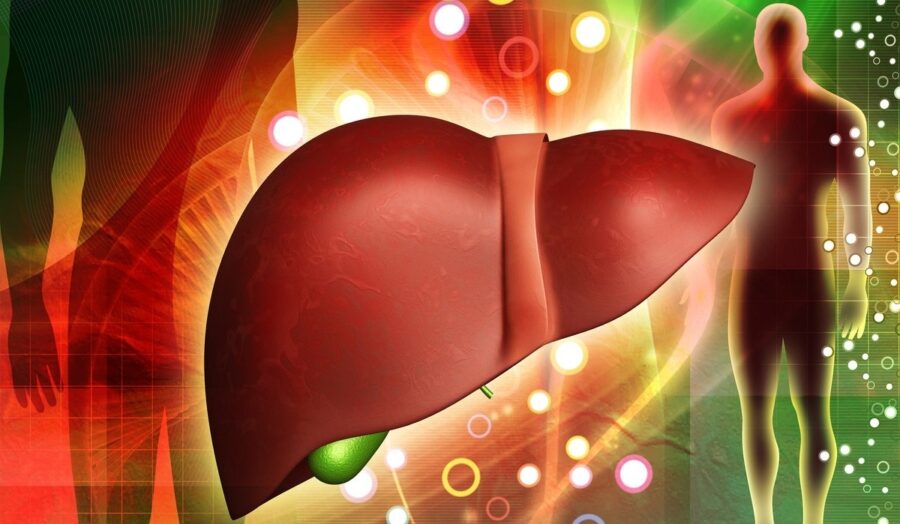
Despite its difficult taste, bitter tea is a powerful ally for detoxifying the body. Used for centuries to stimulate the liver and cleanse the digestive system, this type of tea acts deeply on the bile, liver, kidneys, and lymphatic system.
What Does Detoxifying Bitter Tea Contain?
Bitter tea is composed of a blend of intensely flavored plants rich in bitter substances and detoxifying compounds:
-
Artichoke (Cynara scolymus)
-
Dandelion (Taraxacum officinale)
-
Chicory (Cichorium intybus)
-
Gentian (Gentiana lutea)
-
Optional: Wormwood, Horsetail, Greater Celandine
These plants contain sesquiterpene lactones, phenolic acids, and flavonoids, recognized for their effects on hepatic and biliary drainage.
Scientifically Proven Benefits
-
Stimulating Bile Secretion – Bitter substances activate the liver and gallbladder, facilitating the digestion of fats and the elimination of toxins.
-
Protecting Liver Cells – Chicory and artichoke contribute to the regeneration of liver cells.
-
Lowering Cholesterol and Triglycerides – By regulating lipid metabolism.
-
Supporting Digestion and Combating Constipation – By stimulating gastric juices and intestinal motility.
-
Mild Diuretic Effect and Lymphatic Drainage – Through plants like dandelion.
Studies Explained in Detail
Phytomedicine, 2018 Choleretic and hepatoprotective effects of Cynara scolymus
Researchers administered artichoke extract to patients with fatty liver for 30 days. Results:
-
150% increase in bile flow
-
Reduction of liver transaminases (ALT and AST)
-
Increase in glutathione, an essential antioxidant in liver detoxification
Journal of Digestive Health, 2020 Bitter substances stimulate bile flow and enhance liver detoxification
Study conducted on 80 patients with dyspepsia and overloaded liver. After 14 days of bitter tea:
-
90% reported easier digestion
-
Detoxification liver enzymes (CYP450) were activated
-
Intestinal transit normalized
Frontiers in Pharmacology, 2022 Role of Taraxacum officinale in liver and kidney detoxification
Dandelion extract was administered to patients with impaired kidney function:
-
Reduced hepatic oxidative stress
-
Improved kidney function (creatinine and urea decreased)
-
Increased activity of antioxidant enzymes
What Do Specialists Say?
The bitter taste is essential for liver health and digestion. Unfortunately, modern diets have almost completely eliminated it.
Dr. Andrei Lazăr, phytotherapist
Bitter teas, if dosed correctly, can work wonders in cases of fatty liver, slow digestion, and biliary dyskinesia.
Dr. Ana-Maria Sârbu, physician with expertise in phytotherapy
How to Administer
For beginners and sensitive individuals
1 tablespoon of bitter plant mix
300 ml boiling water
Infuse for 7-10 minutes covered
Drink warm, 30 minutes before meals (in the morning and at lunch)
For those accustomed to bitter plants
1 heaping tablespoon / 300 ml water
Follow the same instructions
Duration of the treatment: 7-10 days (maximum 14 days)
Can be resumed after a break of 2-3 weeks
Stay well hydrated during the treatment
Contraindications
Consumption of bitter tea is not recommended in the following cases:
-
Biliary lithiasis – may cause biliary colic
-
Biliary obstruction or mechanical jaundice
-
Active gastric ulcer / hyperacid gastritis / severe reflux
-
Very low blood pressure (hypotension)
-
Irritable bowel syndrome, sensitive stomach
-
Pregnancy and breastfeeding – may stimulate the uterus or alter the taste of milk
-
Under 14 years old – not recommended for children
-
Anticoagulant, immunosuppressive, or hepatic treatment – requires medical advice
If symptoms such as nausea, pain in the right hypochondrium, or dizziness occur, stop the treatment and consult a doctor.
Sources:
-
Phytomedicine (2018) Choleretic and hepatoprotective effects of Cynara scolymus
-
Journal of Digestive Health (2020) Bitter substances stimulate bile flow and enhance liver detoxification
-
Frontiers in Pharmacology (2022) Role of Taraxacum officinale in liver and kidney detoxification
-
Interview with Dr. Andrei Lazăr, phytotherapist
-
Interview with Dr. Ana-Maria Sârbu, physician specializing in phytotherapy




