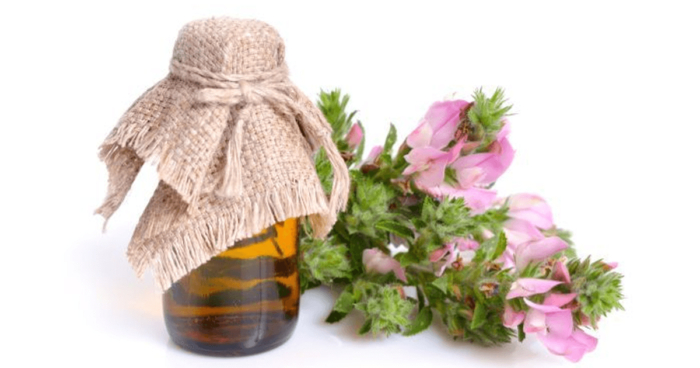
Rabbit’s foot (Ononis spinosa), a perennial plant from the spontaneous flora of Europe, is mainly known for its diuretic and anti-inflammatory properties. The tincture made from the root of this plant was historically used as a folk remedy for joint pain, rheumatism, and urinary disorders. Although it is less commonly found in traditional treatments today, recent research confirms the effectiveness of this plant in alleviating inflammation and reducing water retention, two major causes of joint pain.
- In Romania, it is known by several popular names: horse sweat, crow’s beak, rabbit’s foot, dirmotin, lemnic, lingoare, sltioar, horse sweat, head sweat, lingoare, goat’s beak.
Detailed Benefits
1. Relieves Rheumatic and Joint Pain
The active principles such as coumarins, flavonoids, and isoflavones have anti-inflammatory action, reducing pain caused by inflammation in the joints and tissues.
2. Diuretic Effect – Eliminates Excess Water from Tissues
Fluid accumulation around the joints is a common cause of inflammation and pain. Rabbit’s foot tincture supports lymphatic drainage and the elimination of excess fluid, helping to reduce swelling.
3. Stimulates Peripheral Circulation
Through its mildly stimulating action, it improves tissue oxygenation and can aid in the regeneration of cartilage affected by degenerative processes.
4. Supports Detoxification
The tincture acts at the hepatic and renal levels, promoting the elimination of toxins that exacerbate chronic inflammation in the body, including those of a rheumatic nature.
Relevant Studies
- Anti-inflammatory and analgesic effects of Ononis spinosa root extract Phytotherapy Research, 2012
The study demonstrated that the ethanolic extract from rabbit’s foot root significantly reduces inflammation in animal models of induced arthritis. - Ononis spinosa root extract induces diuresis without potassium loss Planta Medica, 2009
It highlighted the diuretic effect of the plant without negatively affecting the electrolyte balance, an essential aspect for long-term use. - Ethnopharmacological relevance of Ononis species in traditional medicine Journal of Ethnopharmacology, 2016
Confirms the traditional use of the plant in treating bone and joint pain, edema, and renal issues.
Recipe for Rabbit’s Foot Tincture
Ingredients:
- 50 g dried and crushed rabbit’s foot root
- 250 ml food-grade alcohol of 40-45% (or quality vodka)
Preparation Method:
- Place the plant in a dark glass jar.
- Pour the alcohol over it, mix, and seal the lid tightly.
- Let it macerate for 14 days, shaking daily.
- After filtering, store the tincture in small, dark glass bottles.
Administration:
- Internally: 20-30 drops 2-3 times a day, diluted in a little water, before meals.
- Externally: massage the painful areas twice a day for 10-14 days.
Harvesting and Drying
- When to Harvest: Roots are extracted in late autumn or early spring when the plant is not in vegetation.
- How to Dry: After cleaning, cut into small pieces and dry in the shade, in a well-ventilated place, away from moisture. Store in airtight containers, protected from light.
Precautions
- Not to be administered in cases of severe kidney inflammation or during pregnancy.
- May interact with diuretics or other blood pressure medications.




