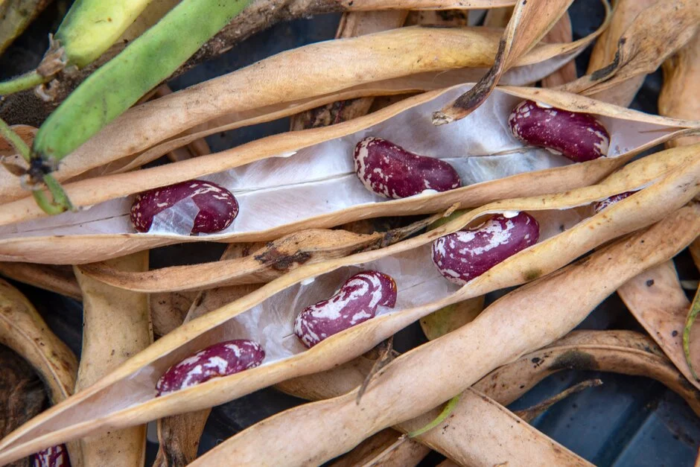
Bean pods, often ignored and discarded, are actually a true herbal remedy for supporting pancreatic function and maintaining glycemic balance. Traditionally used in Romanian phytotherapy for type 2 diabetes and slow digestion, bean pod tea is now backed by studies confirming its effects on carbohydrate metabolism.
Detailed Benefits
1. Supports Natural Insulin Secretion
Bean pods contain natural compounds (such as amino acids and flavonoids) that act as a gentle stimulant for the beta cells in the pancreas, which are responsible for insulin secretion.
2. Reduces Postprandial Blood Sugar
Some studies have shown that extracts from bean pods can inhibit the enzymes responsible for the rapid absorption of carbohydrates (alpha-glucosidase), leading to a slower and more gradual absorption of sugar into the bloodstream.
3. Has Mild Diuretic and Detoxifying Effects
Due to its potassium content, the tea helps eliminate excess fluids, reducing retention and supporting lymphatic drainage, alongside lowering blood sugar levels.
4. Calms the Digestive System
Thanks to its fiber and mucilage content, bean pods can reduce bloating, normalize transit, and support beneficial intestinal flora.
Active Ingredients:
- Flavonoids (kaempferol, quercetin)
- Trigonelline and arginine amino acids involved in carbohydrate metabolism
- Potassium and magnesium salts
- Soluble and insoluble fibers
- Natural phytoestrogens
Recipe for Bean Pod Tea
Ingredients:
- 1 tablespoon dried and crushed bean pods
- 300 ml water
Preparation:
- Boil the pods for 10-12 minutes over low heat.
- Let steep for another 10 minutes, covered.
- Strain and consume warm.
Dosage:
- 1 cup of tea, twice a day, 30 minutes before meals
- Duration of the treatment: 14 days, followed by a 7-day break
- Can be combined with blueberry leaves or cherry stems for synergistic effects on blood sugar
Contraindications:
- Not recommended for individuals with hypoglycemia or those taking antidiabetic medications without medical supervision, as it may potentiate their effects
- Pregnant and breastfeeding women should consult a doctor
- Not to be administered to children under 12 years old
How to Harvest and Dry Bean Pods for Tea
When to Harvest:
Bean pods should be harvested only after they have reached full maturity, meaning they are completely dry on the plant and the seeds inside are hard. This usually occurs at the end of summer to the beginning of autumn, depending on the variety and climate.
-
Select mature, dry pods, meaning those that have completely dried on the plant. They should be yellow-brown and crunchy, not green and soft.
-
Harvesting takes place in the autumn, when the plant has dried naturally and the pods open easily.
-
Remove the seeds from inside the pods; only the empty pods are used for tea.
-
Check for mold or insect damage.
Drying:
-
After harvesting, the pods should be completely dried in a well-ventilated place, away from moisture and direct sunlight (for example, on paper or screens in a shaded area).
-
They can be easily crushed after drying for easier dosing.
Storage:
-
Store in paper bags or well-sealed glass jars, in a dry and dark place.
-
Can be stored for up to 12 months without losing efficacy.
Scientific Sources:
- Hypoglycemic Effect of Phaseolus vulgaris Pod Extract in Type 2 Diabetic Patients, Phytotherapy Research, 2004
- Antidiabetic effects of Phaseolus vulgaris in traditional medicine, Journal of Medicinal Plants Research, 2011
- Effect of bean pod extract on glycemic control in mild type 2 diabetes, International Journal of Diabetes in Developing Countries, 2007




