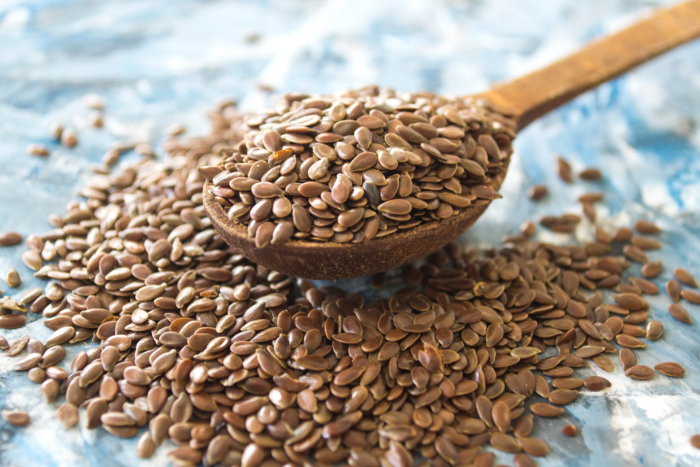
Slow digestion is an increasingly common issue, especially among individuals with a sedentary lifestyle or a diet low in fiber. Flaxseeds, a simple and accessible ingredient, have been used for centuries to stimulate intestinal function. They contain mucilage, soluble fiber, and omega-3 fatty acids, which support digestive health in a gentle yet effective manner.
Detailed Benefits
1. Stimulates intestinal transit naturally
Flaxseeds contain soluble and insoluble fibers that attract water and form a protective gel in the intestines. This gel helps soften the stool and facilitates easier elimination of waste, without irritating the colon, unlike chemical laxatives.
2. Protects gastric and intestinal mucosa
The mucilage released by soaked flaxseeds forms a protective layer over the digestive mucosa, reducing inflammation and discomfort in cases of gastritis or irritable bowel syndrome.
3. Prebiotic effect
Regular consumption of flaxseeds helps nourish the good bacteria in the intestines, leading to a better balance of intestinal flora.
4. Reduces bloating and heaviness
By improving digestion and nutrient absorption, flaxseeds reduce excessive fermentation and the formation of intestinal gas.
What do flaxseeds contain?
- Dietary fiber – over 25% of content
- Mucilage – compounds that form gel
- Omega-3 (alpha-linolenic acid) – anti-inflammatory action
- Lignans – natural antioxidants
Preparation Method
Ingredients:
- 1 tablespoon whole flaxseeds
- 150 ml water
Preparation method:
- Place the flaxseeds in a glass of water in the evening.
- Let them soak overnight (8-10 hours).
- In the morning, consume the gel formed along with the well-chewed seeds on an empty stomach.
A course can be done for 7-10 days, with a 5-day break.
Administration Method
- In the morning, 15-20 minutes before breakfast.
- Drink a large glass of water immediately afterward.
For better results, also consume fiber-rich foods (vegetables, whole grains) during the course.
Contraindications
- Not recommended in cases of intestinal obstruction, digestive strictures, or severe inflammation of the large intestine.
- Individuals on thyroid treatment or anticoagulants should consult a doctor.
- Pregnant women should avoid excessive and uncontrolled consumption of flaxseeds.
Sources:
- Flaxseed: a potential functional food source, Journal of Food Science and Technology, 2015
- Health benefits of flaxseed mucilage: A review, International Journal of Biological Macromolecules, 2018
- Flaxseed and its lignan and oil components: can they play a role in reducing the risk of and improving the treatment of chronic disease?, American Journal of Clinical Nutrition, 2009




