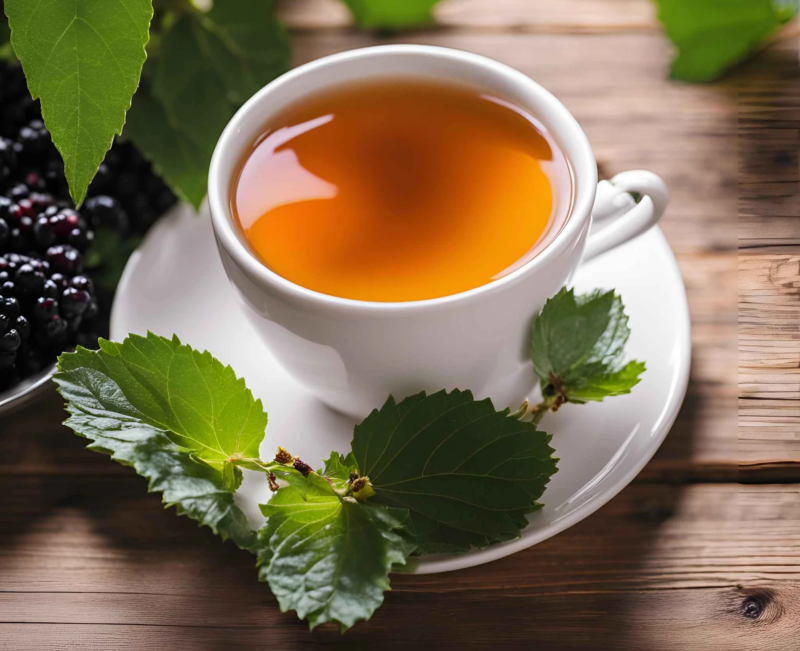
In Asian natural medicine, white mulberry leaf (Morus alba) is considered a therapeutic treasure for regulating blood sugar and detoxifying the body. With a pleasant taste and an impressive phytochemical profile, mulberry leaf tea is becoming an increasingly popular ally in combating metabolic disorders, especially type 2 diabetes.
Active Ingredients
Mulberry leaves contain:
- 1-deoxynojirimycin (DNJ) – a natural inhibitor of the enzyme alpha-glucosidase, which reduces carbohydrate absorption.
- Flavonoids – with antioxidant and anti-inflammatory effects.
- Phenolic acids, phytosterols, and tannins.
- Minerals: zinc, iron, calcium, potassium.
What Recent Studies Say
Journal of Ethnopharmacology (2018) – DNJ significantly reduces postprandial blood sugar spikes in prediabetic patients.
Diabetes Research and Clinical Practice (2020) – Mulberry leaf extract has antidiabetic potential comparable to some synthetic medications, with no major side effects.
Romanian studies (2022) analyzed the effect of mulberry leaves on cholesterol regulation and supporting liver function.
Classic Mulberry Leaf Tea Recipe
Ingredients:
- 1 tablespoon dried mulberry leaves (crushed)
- 250 ml water
Preparation Method:
- Boil the water and add the leaves.
- Let it steep for 10-15 minutes, covered.
- Strain and consume warm, before meals.
Administration Method
- For blood sugar regulation: 2 cups/day, 30 minutes before main meals.
- The treatment can last 3 weeks, followed by a 7-day break.
- It can be resumed monthly, under blood sugar monitoring.
It is recommended to combine with a balanced lifestyle and regular monitoring of blood sugar levels.
Observed Beneficial Effects
Reduction of baseline and postprandial blood sugar
Support for carbohydrate metabolism
Diuretic and antioxidant effects
Slight reduction of excessive food cravings
Improvement of digestion and energy levels
Contraindications and Precautions
- Contraindicated in hypoglycemia or treatments with insulin without medical advice.
- Not recommended for pregnant or breastfeeding women.
- May interact with oral antidiabetics; medical supervision is recommended.
Other Traditional Uses of Mulberry Leaves
- Compress for skin conditions (acne, boils)
- In the form of tincture, for regulating blood pressure
- In foot baths to relieve fatigue and inflammation




