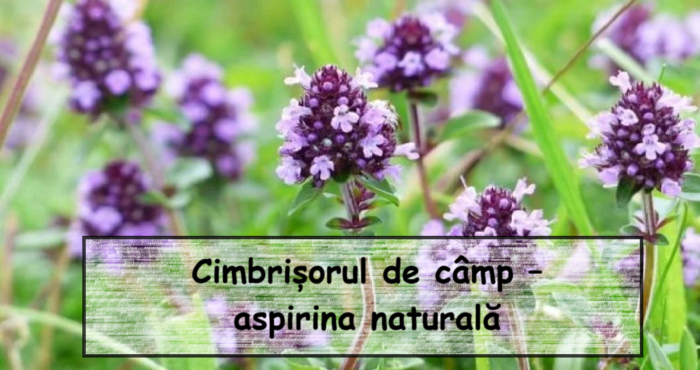
The wild thyme (Thymus serpyllum) is considered by many herbalists to be a true green medicine, often referred to as natural aspirin due to its anti-inflammatory, analgesic, and antiseptic effects. This small aromatic shrub, with purple flowers and an intense fragrance, hides a treasure of extremely valuable active substances in its leaves.
What Wild Thyme Contains and How It Affects the Body
Wild thyme is rich in:
- essential oils: thymol, carvacrol with strong antimicrobial action
- flavonoids: with antioxidant effects
- tannins: with astringent and anti-inflammatory roles
- organic acids, vitamin C, and mineral salts
Recent studies published in the Journal of Applied Pharmaceutical Science (2023) have confirmed that extracts of Thymus serpyllum have a strong potential in reducing inflammation, being comparable in effect to some synthetic anti-inflammatories.
Additionally, research published in Evidence-Based Complementary and Alternative Medicine (2021) showed that thymol and carvacrol act effectively against bacteria such as Staphylococcus aureus and Escherichia coli, making them a viable option in treating respiratory and digestive infections.
What Experts Say
Dr. Alina Petrescu, herbal medicine physician:
Wild thyme is a plant with a long tradition in folk medicine, but it has also gained scientific validation in recent years. It is excellent for respiratory ailments, headaches, or menstrual pain, and helps relax the nervous system.
The German herbalist Dr. Hildegard Rösner recommends wild thyme in adjunct treatments for bronchitis, laryngitis, and even urinary infections, due to its antibacterial and calming effects.
Ways to Consume and Traditional Recipes
1. Wild Thyme Tea
- 1 tablespoon of dried plant in 200 ml of boiling water
- Infuse for 7-10 minutes
- Drink 2-3 cups a day for colds, coughs, sore throat, or slow digestion.
2. Wild Thyme Tincture
- 50 g dried plant + 250 ml of 40% food-grade alcohol
- Let it macerate for 10 days, shaking daily.
- Strain and take 20 drops in a little water, twice a day.
3. Soothing Cough Syrup
- 2 handfuls of fresh wild thyme
- 500 ml of water
- 250 g honey (or agave syrup for diabetics)
- Boil the plant in water for 15 minutes, strain, then add honey. Store in the refrigerator and take 2 tablespoons a day.
Contraindications and Precautions
- Not recommended for pregnant or breastfeeding women without medical advice.
- People with gastric ulcers or liver conditions should avoid high doses.
- May interact with anticoagulant or anti-inflammatory medications.
- In rare cases, it may cause allergic reactions.
Wild thyme is a treasure of nature, with remarkable effects on health. However, it is essential to use it correctly, in appropriate doses, and with the advice of a specialist. When responsibly integrated into one’s lifestyle, it can become a natural ally against pain, infections, and stress.




