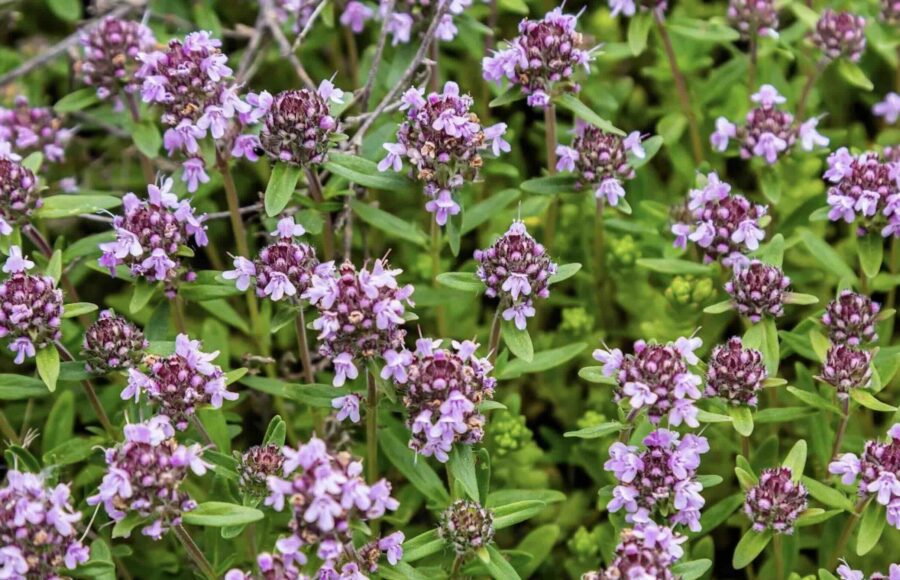
Thyme (Thymus serpyllum) is one of the most appreciated medicinal plants for the health of the respiratory system. Its strong, slightly balsamic aroma has made it a reliable remedy for the lungs and bronchi, used for centuries in Europe. Today, modern medicine confirms its multiple benefits, and thyme cures are recommended for treating respiratory pathways, strengthening immunity, and restoring lungs affected by infections or irritations.
Benefits of Thyme for Lung Health
1. Natural Expectorant
Thyme stimulates bronchial secretions and thins mucus, facilitating its elimination from the lungs. This effect is essential in productive coughs, bronchitis, or episodes of flu. Phytocompounds such as thymol and carvacrol stimulate the bronchial cilia, helping the body to clear the respiratory pathways more quickly. Additionally, studies show that thyme tea reduces persistent cough in patients with respiratory infections.
2. Antibacterial and Antiviral Effects
Thymol and carvacrol in thyme have proven antimicrobial action against bacteria such as Streptococcus pneumoniae and Haemophilus influenzae, responsible for respiratory infections. Furthermore, extracts from the plant inhibit the replication of certain respiratory viruses, contributing to a reduction in the duration of cold and flu episodes.
3. Relief from Bronchial Spasms
Thyme acts as a natural bronchodilator, relaxing the smooth muscle of the bronchi. This effect is particularly important for individuals with bronchial asthma or chronic bronchitis, where spasms can cause breathing difficulties. Regular infusions of thyme reduce the frequency of bronchospasm episodes.
4. Antioxidant Protection for the Lungs
The lungs are daily exposed to free radicals from pollution and smoking. Thyme contains powerful antioxidants (flavonoids, rosmarinic acid), which reduce oxidative stress and protect lung tissue from premature aging. Studies have confirmed a significant decrease in pulmonary inflammation with the administration of thyme extracts.
5. Support for Recovery After Respiratory Infections
After pneumonia or severe viral infections, the lungs often remain sensitive. A thyme cure helps regenerate the mucous membranes and restore respiratory function. Consumed as tea or syrup, it accelerates the healing process and reduces the risk of recurrences.
6. Improvement of Oxygenation in the Body
By thinning secretions and relaxing the bronchi, thyme allows for a more efficient exchange of oxygen in the lungs. This translates into better oxygenation of the blood and an overall state of vitality. Patients report less fatigue and easier breathing after a few weeks of treatment.
7. Anti-inflammatory Effect on the Respiratory Pathways
Chronic inflammation of the bronchi is one of the major causes of persistent cough. Thyme extracts reduce the production of pro-inflammatory cytokines, soothing irritation and promoting more comfortable breathing.
8. Support for Smokers
Individuals who smoke or have recently quit smoking can benefit from a thyme cure, as the plant helps cleanse the lungs of tar and mucus. In combination with other detoxifying plants, the effect is even stronger.
Recipes for Thyme Treatment
Thyme Tea
-
1 tablespoon dried plant
-
250 ml boiling water
-
Infuse for 10 minutes, strain
Drink 2-3 cups per day for 2-3 weeks.
Thyme Syrup
-
100 g dried thyme
-
500 ml water
-
250 g honey (or agave syrup for diabetics)
Boil the plant for 10 minutes, strain, and mix with honey. Take 1 tablespoon 3 times a day.
Thyme Inhalations
-
2 tablespoons of plant in 1 liter of boiling water
Inhale the steam for 5-10 minutes to clear the respiratory pathways.
Recent Studies and Research
A study published in Journal of Ethnopharmacology analyzed the effects of thyme extract on chronic cough. The results showed a 40% reduction in the frequency of coughing fits in patients treated with the extract compared to the placebo group.
Research conducted at the University of Munich confirmed that thymol and carvacrol act synergistically, having both antibacterial and anti-inflammatory effects, which explains the plant’s efficacy in acute and chronic respiratory infections.
Another clinical study conducted on 150 patients with acute bronchitis demonstrated that the administration of thyme syrup reduced the duration of symptoms by 2 days compared to conventional treatment.
In an analysis conducted in Frontiers in Pharmacology, researchers showed that flavonoids from thyme protect lung epithelial cells from oxidative stress induced by pollutants, suggesting a protective role in urban areas with polluted air.
An experimental animal study published in Respiratory Medicine showed that thyme extract reduces lung inflammation induced by cigarette smoke, opening the perspective for its use in complementary therapies for smokers.
Contraindications
-
Not recommended during pregnancy and breastfeeding.
-
Contraindicated in cases of hyperacid gastritis and ulcers.
-
Individuals allergic to plants in the Lamiaceae family should avoid consumption.
-
In large doses, it may cause nausea or digestive disturbances.
-
Should not be administered together with anticoagulants without medical advice.
Nutritional Table (dried plant, 100 g)
| Nutrient | Approximate Amount |
|---|---|
| Fiber | 14 g |
| Protein | 9 g |
| Carbohydrates | 24 g |
| Calcium | 400 mg |
| Iron | 124 mg |
| Magnesium | 160 mg |
| Vitamin C | 50 mg |
| Antioxidants | high |




