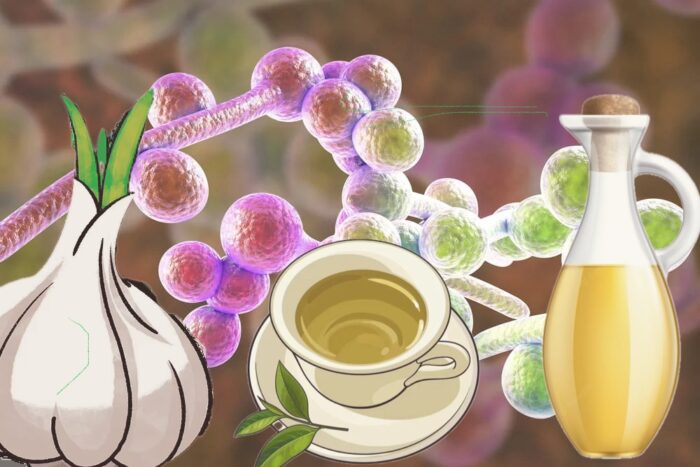
Candidiasis is an infection caused by the excessive proliferation of the fungus Candida albicans, which is normally present in the body. Imbalances in the intestinal flora, weakened immunity, excessive consumption of antibiotics, contraceptives, or a diet high in sugars can lead to the development of this infection.
More and more people are seeking natural solutions to combat candidiasis, and medicinal plants offer effective remedies, with a tradition in folk medicine, but also supported by modern studies.
1. Garlic – a Recognized Natural Antifungal
What it contains: allicin – an active substance with strong antifungal and antibacterial effects.
Usage method (traditional recipe):
Crush 2 cloves of garlic and let them air for 10 minutes (to activate the allicin).
Mix with a tablespoon of honey and consume daily, in the morning, on an empty stomach.
The treatment lasts 7-10 days.
Studies:
A study published in the Journal of Antimicrobial Chemotherapy showed that allicin inhibits the growth of the fungus Candida albicans in controlled environments. Additionally, researchers from the University of Nottingham confirmed the effectiveness of garlic in combating fungal infections.
Doctor’s statement:
Dr. Anca Mihilescu, herbalist: Garlic is one of the most powerful natural antifungals. When administered correctly, it can help balance the flora and eliminate candidiasis without adverse effects.
2. Thyme Tea – Internal Healing and Immune Support
What it contains: thymol and carvacrol – volatile compounds with antifungal effects.
Preparation method:
1 tablespoon of dried plant in 250 ml of boiling water.
Infuse for 10 minutes, strain, and drink 2-3 cups a day, between meals.
The treatment lasts 14 days.
Benefits: helps cleanse the intestines, supports the liver, and reduces fungal proliferation in the digestive tract.
Study:
Researchers from the University of Belgrade demonstrated in a 2019 study that thyme essential oil has antifungal action comparable to classic antifungal medications.
3. Coconut Oil – A Natural Barrier Against Fungi
What it contains: lauric and caprylic acid – destroy the cell membranes of the Candida fungus.
Internal use:
1 tablespoon of extra-virgin coconut oil in the morning, on an empty stomach.
The dose can be gradually increased to 2 tablespoons/day.
External use:
Apply locally (in the area affected by vaginal or skin candidiasis) twice a day.
Study:
According to an article in the Journal of Medicinal Food (2018), coconut oil significantly reduces colonies of Candida albicans, especially with continuous administration for 7-14 days.
4. Propolis Tincture – Immune Support and Antifungal Action
Usage method:
30 drops of propolis tincture in a glass of water, 3 times a day.
It is recommended before meals.
The treatment can last between 10 and 21 days.
Study:
A study conducted in Brazil (2020) showed that propolis has a direct antifungal effect on Candida albicans, as well as a role in balancing the bacterial flora in the oral cavity and intestines.
Specialist’s opinion:
Dr. Ion Bunea, naturopath: Propolis has a wide range of action – antiviral, antibacterial, and antifungal. It is ideal for recurrent infections such as candidiasis.
5. Burdock Root Infusion – Detoxification and Intestinal Balance
What it contains: inulin (natural prebiotic), tannins, phenolic acids.
Preparation method:
1 tablespoon of crushed root in 300 ml of boiling water.
Boil for 5 minutes, then infuse for 10 minutes.
Consume 2 cups a day, in the morning and evening, before meals.
Benefits: supports the liver and colon, helping to eliminate excess yeast and toxins from the body.
General Recommendations for Effective Treatment
Eliminate sugar and simple carbohydrates (yeast feeds on glucose).
Avoid antibiotics unless absolutely necessary.
Introduce probiotics (natural yogurt, kefir, pickles) into your daily diet.
Use cotton underwear, especially in cases of genital candidiasis.
Consult a doctor if symptoms persist or worsen.
Candidiasis can be successfully treated using natural remedies, supported by scientific research and validated by traditional medical practice. Garlic, thyme, coconut oil, propolis, and burdock are just a few of the plants that can contribute to balancing the flora and eliminating the infection.




