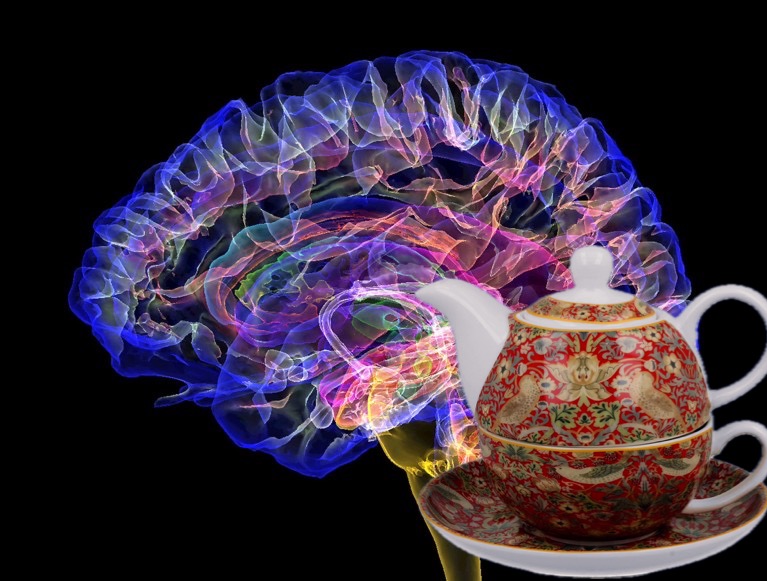
In a world where we are increasingly bombarded with information, the ability to concentrate and memory are two essential skills. Fortunately, nature offers us numerous medicinal plants that can support brain health without the side effects of synthetic stimulants. In this article, we present herbal teas and tinctures with proven efficacy, recipes, methods of consumption, as well as scientific studies and expert opinions in the field.
1. Medicinal Plants Recognized for Supporting Memory and Concentration
Ginkgo biloba
- Active Compounds: flavonoids, terpenoids, ginkgolides.
- Mode of Action: improves cerebral circulation, promoting oxygenation of the brain and communication between neurons.
Rosemary
- Active Compounds: rosmarinic acid, essential oils (cineole, camphor).
- Mode of Action: has antioxidant effects, stimulates the brain, reduces mental fatigue.
Holy Basil (Tulsi)
- Active Compounds: eugenol, essential oils, antioxidants.
- Mode of Action: combats oxidative stress, improves mental clarity and adaptability to stress.
Rhodiola rosea
- Active Compounds: rosavins, salidrosides.
- Mode of Action: a powerful adaptogen, increases mental resilience and concentration in stressful situations.
Sage
- Active Compounds: rosmarinic acid, flavonoids, cineole.
- Mode of Action: enhances the activity of enzymes involved in the memory process and has a neuroprotective effect.
2. Tea Recipes for Memory and Concentration
Stimulating Tea with Ginkgo Biloba and Rosemary
Ingredients:
- 1 tablespoon dried Ginkgo biloba leaves
- 1/2 tablespoon dried rosemary
- 250 ml boiling water
Preparation Method:
Pour hot water over the herbs, cover, and let steep for 10-15 minutes.
Consumption Method:
1-2 cups per day, in the morning and afternoon (not recommended in the evening due to energizing effects).
Adaptogenic Tea with Rhodiola and Holy Basil
Ingredients:
- 1 tablespoon dried Rhodiola root
- 1 tablespoon dried holy basil leaves (Tulsi)
- 300 ml water
Preparation Method:
Boil Rhodiola for 5 minutes, turn off the heat, add Tulsi, and let steep for another 10 minutes.
Consumption Method:
One cup per day, in the morning, for a maximum of 6 weeks, with a 2-week break.
Calming Tea for Mental Clarity with Sage
Ingredients:
- 1 tablespoon dried sage leaves
- 250 ml water
Preparation Method:
Steep sage in boiling water for 10 minutes.
Consumption Method:
1 cup per day, preferably before an intellectual activity.
3. Tinctures for Memory and Focus
Ginkgo Biloba Tincture
Recipe:
- 50 g dried leaves
- 250 ml 40% food-grade alcohol
Let it macerate for 14 days, shaking daily. Filter and store in a cool place.
Consumption Method:
20-30 drops twice a day, diluted in water, before meals.
Rosemary and Sage Tincture
Recipe:
- 25 g rosemary + 25 g sage
- 250 ml 40% food-grade alcohol
Macerate for 14 days, shaking daily, then filter.
Consumption Method:
15-20 drops three times a day, diluted in a little water.
4. Relevant Studies and Research
Ginkgo Biloba and Cognitive Performance
A study published in Psychopharmacology (2000) showed that Ginkgo biloba, administered at a dose of 120 mg/day for 6 weeks, significantly improved cognitive functions and working memory in healthy adults.
Rhodiola Rosea and Mental Stress
Researchers have conducted numerous studies on Rhodiola, and a study published in Phytomedicine (2009) confirmed that this plant improves mental performance under conditions of stress and fatigue.
Sage and Alzheimer’s Patients
In a randomized study published in Journal of Clinical Pharmacy and Therapeutics (2003), it was observed that sage extract led to significant improvement in memory in patients with mild to moderate forms of Alzheimer’s.
5. Expert Opinions
Dr. Daniel Mowrey, herbalist and researcher in natural medicine:
Plants like Ginkgo biloba and Rhodiola rosea act directly on the hypothalamic-pituitary-adrenal axis, giving them an essential role in maintaining cognitive functions during periods of intense stress.
Prof. Dr. Ovidiu Bojor, pharmacist and founding member of modern herbal medicine in Romania:
Rosemary and sage not only stimulate memory but also actively contribute to maintaining mental youth. Combined teas are more effective than plants administered individually.
6. Precautions and General Recommendations
- Do not consume these teas or tinctures in the evening if you have sleep problems.
- Consult a doctor before administration if you are taking anticoagulant treatment (especially in the case of Ginkgo biloba).
- Rhodiola and other adaptogens are not recommended in cases of uncontrolled hypertension.
- Alternate treatments and take breaks to avoid overstimulation of the nervous system.
Natural teas and tinctures can be valuable allies in supporting memory and concentration. By combining tradition with scientific evidence, we can take care of brain health in a natural, effective, and safe way.
Choose the plants that suit your needs and transform them into a daily ritual of balance and mental clarity!




