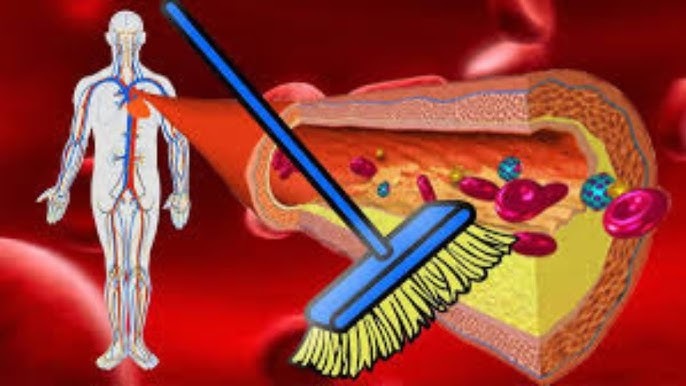
Are you aware of the signs of clogged arteries? If you have a clogged artery, you may not even know it. You cannot feel a clogged artery, which is why many people are unaware that their arteries are blocked until they face an emergency, such as a heart attack.
The circulatory system consists of the heart and blood vessels, which include arteries, veins, and capillaries. Specifically, arteries are the vessels through which blood circulates from the heart to the tissues, carrying the oxygen and nutrients necessary for the proper functioning of the body.
However, when blood circulation deteriorates, tissues no longer receive oxygen and nutrients, leading to serious diseases such as strokes and early heart attacks, as arteries become clogged with cholesterol or calcium plaques.
When too much plaque accumulates inside an artery, it becomes clogged, and blood flow slows down or stops. Reduced blood flow can lead to ischemia, which is an insufficient supply of oxygen to the body’s cells. Blocked peripheral arteries in the lower part of the body primarily cause pain and cramps in the legs, as noted by The Texas Heart Institute.
Here are some signs that indicate clogged arteries that should be observed immediately:
- Appearance of longitudinal wrinkles on the earlobes: this symptom may indicate that cholesterol is blocking the lumen of the arteries that supply the heart, reducing oxygen supply and causing the heart to work harder, leading to thickening of the walls.
- Burning or heaviness in the calves: when unpleasant sensations are felt after walking short distances, it is essential to consult a health expert, as this may be a sign of varicose veins in the context of blockage of the femoral artery. This is because the vessels cannot cope with blood flow, causing swelling and pain.
- Cramps in the calves and legs: this is a very common symptom that may indicate blockage of plaque in the peripheral arteries. When left untreated, blood supply to the limb gradually decreases, which can lead to amputation.
- Pain in the lower back: this sign appears when blood flow to the spine is affected, so sedentary work or injuries that increase the load should be minimized.
- Decreased erection in men: in many cases, cholesterol plaques deposit in the wall of the artery that supplies the genitourinary system, which can significantly reduce blood supply to the genital organs, negatively affecting intimate relationships.
Natural Methods for Healing Blood Vessels
Some foods that help in the natural and rapid healing of arteries include:
- Grapefruit: containing nutrients such as pectin, vitamin C, and fiber, it helps eliminate harmful toxins and reduces the risk of developing heart diseases.
- Green tea: this natural infusion protects cells from premature aging, increases elasticity, and normalizes cholesterol metabolism. Experts recommend consuming a cup of this healthy brew twice a day, adding a slice of lemon.
- Red apples: they contain a large amount of proanthocyanidins and natural antioxidants that help reduce cholesterol. Therefore, it is recommended to eat one apple after breakfast and another after lunch to reduce the absorption of harmful substances in the blood.
- Nuts: they contain fiber and dietary fibers that absorb toxins and harmful substances, allowing for the healing of artery walls.
- Extra virgin olive oil: this type of oil contains valuable amino acids, such as Omega-3 and Omega-6, which protect blood vessels from plaque damage and normalize carbohydrate metabolism.




